Briarmont St in Avondale – First appears in street directories in 1987. A tiny amount from the library website. Briar is a prickly plant.
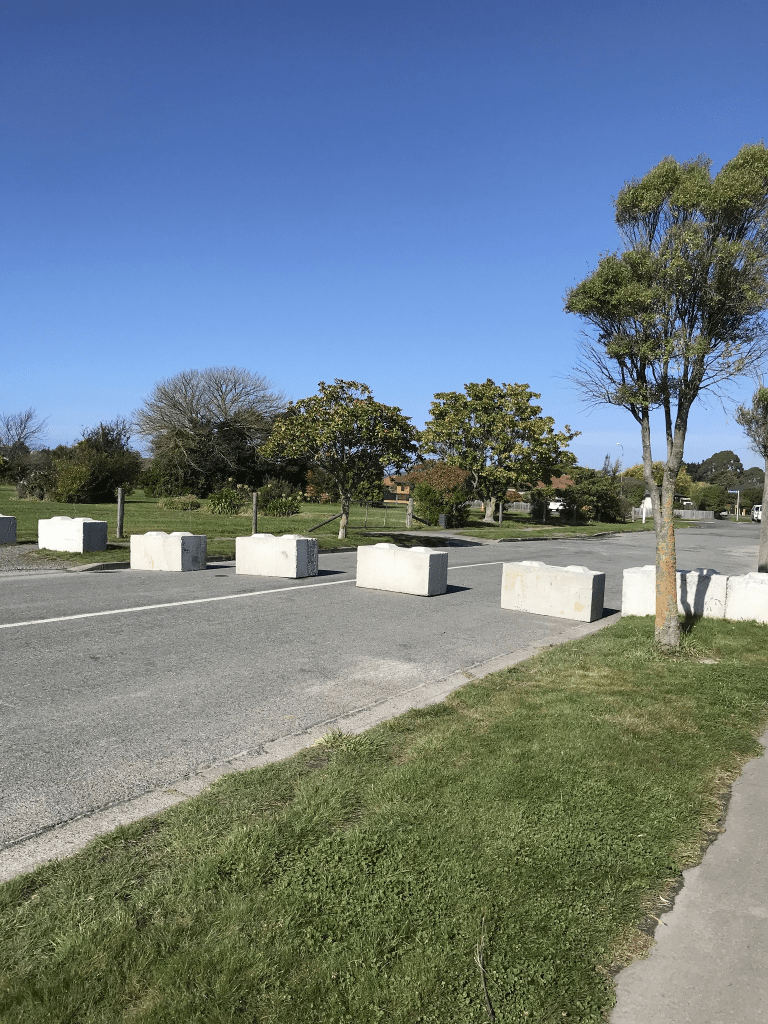
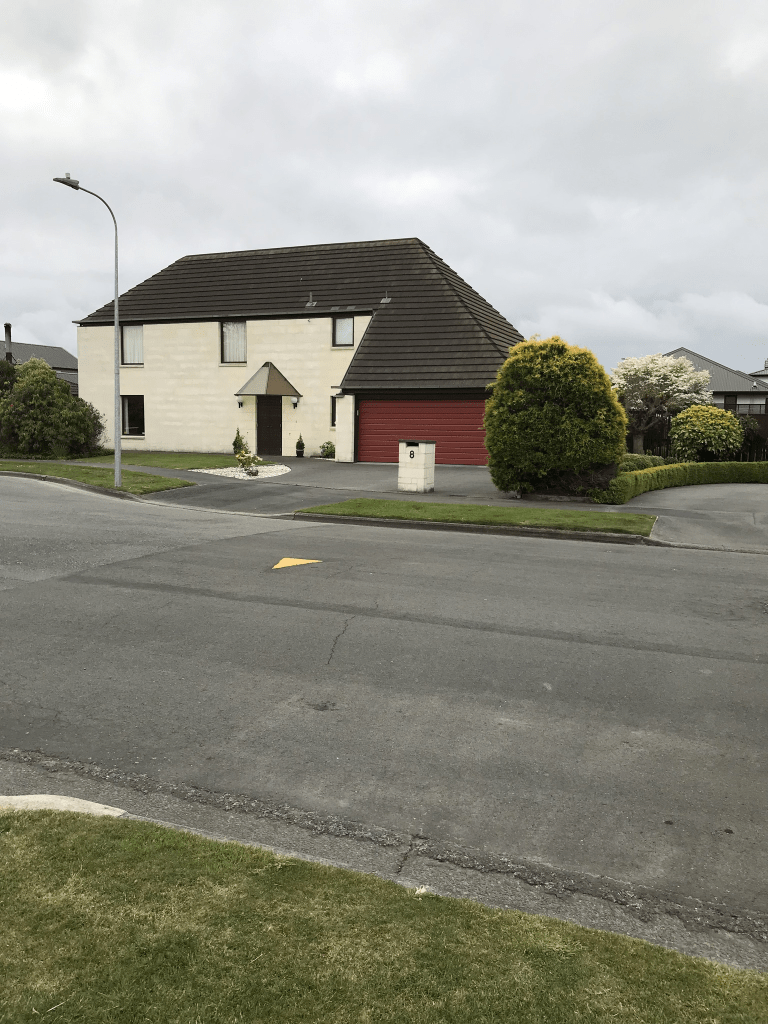
I actually walked this street back in April. Most houses here were built in the 1980s and 1990s and it looked like a pleasant street. The houses were a variety of styles and for some reason many had very steep roofs. One mock tudor style which always amuses me. The street is blocked off at the Hulverstone Drive end and this part of the street is red zoned.
Te Kura St – Te Kura means: the school. Named because it runs off Straven Road to Christchurch Boys’ High School. Described as “a new street in the Te Kura subdivision” in The Press in 1929. First appears in street directories in 1939.
A small amount of information from the library website. Papers Past had ads for the sale of sections in 1929. Boys High school magazine was called Te Kura and it would be interesting to see which was first with the name. I also found an acting group called Te Kura Players who put their plays on at Radiant Hall. This group seemed to have a connection to the school.
The houses are only on one side of the street as the school boundary is on the other side along with car parks. There are five houses here built in 1930s and 1940s and the sixth house built on a back section section in 1990. It is a tiny street that leads to the school entrance.
Royds St – Named after John Ingledew Royds (1870- 1949). Royds was managing director of Royds Bros & Kirk, produce merchants. Royds bought his land when land owned by Annie Townend of Mona Vale was auctioned in 1915. The street was formed after Royds sold his property, Royden, at 136 Straven Road to Ernest Edward Coombes (1900- 1968). The street was developed through what had been a horse paddock and tennis court. Formed in 1936. First appears in street directories in 1939 with Coombes listed as its only resident. [Given a plaque in 1961 because of its first place in the street and gardens competitions conducted by the Christchurch Beautifying Association.]
A reasonable of information from the library website and not a lot that I can add. Papers Past had ads for the new subdivsion in 1936. I just couldn’t find out where John Royds is buried and I searched several websites. The ancestry website has two reasons for him selling his land. One reason was that he was short of money because of the depression and the other reason was that he was downsizing because of his age. Mostly older houses here dating from the 1930s but one house is dated 2020. At least two really ugly modern houses which really don’t fit in as this street has a couple of quirky features including a fountain in the middle of the road. The street leads to Daresbury Park. The street runs off Straven Rd fairly near the Fendalton Rd end.
Daresbury Lane in Fendalton -Formerly Korari Street. Named after korari, a native New Zealand flax plant, Phormium tenax. Re-named Daresbury Lane. Named after Daresbury, a house in Fendalton Road with another entrance off Daresbury Lane. Named to commemorate the Deans families’ efforts to conserve the native forest trees in Riccarton. The naming was also designed to showcase the Maori names of trees. Named in 1892 when John Deans (1853-1902) split up 150 acres of the Deans Estate into 105 lots which were auctioned. Korari Street first appears in street directories in 1911. Re-named Daresbury Lane in 1962. Daresbury is a 50- room house, originally on 25 acres, built between 1897 and 1901 for George Humphreys (1848-1934).
A reasonable amount of information on the library website. In Papers Past in 1910 there were sections for sale from the Deans Estate plus drainage was mentioned. In 1954 there were 20 sections from the Daresbury Estate. Many death and engagement notices. The street name change was mentioned in April 1960 and the name change was by special order. Daresbury House in the 1960s held many events for charity. I found an article from 1974 which talked about a Rookery at Daresbury House which existed in 1930s and 1940s.
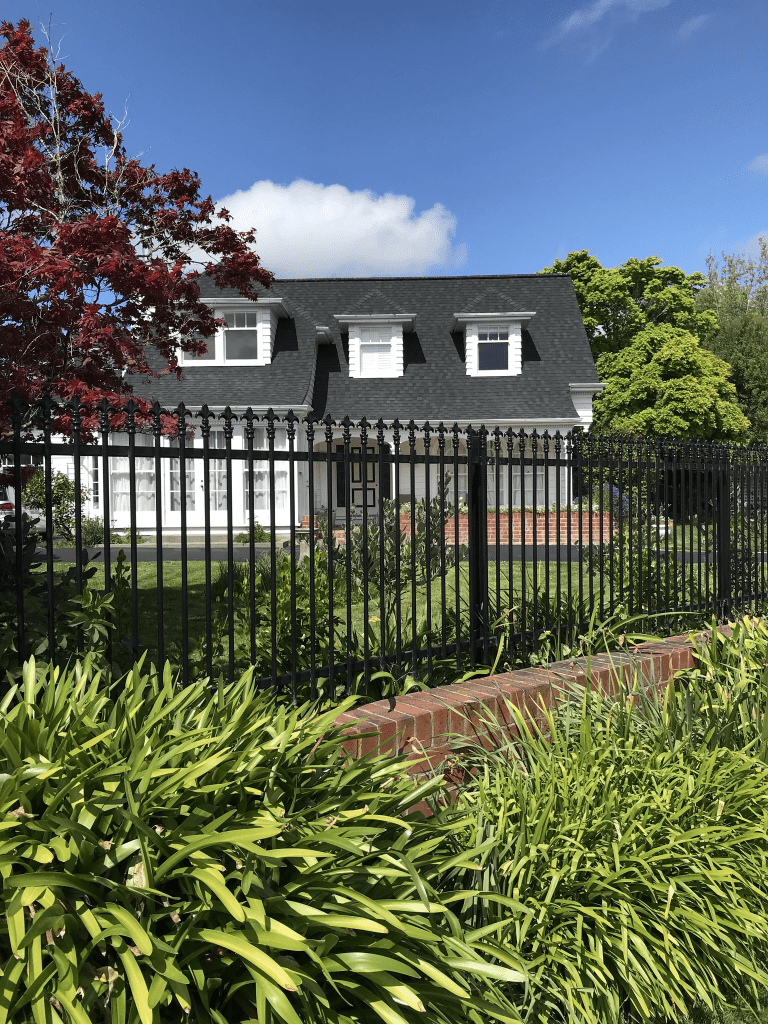
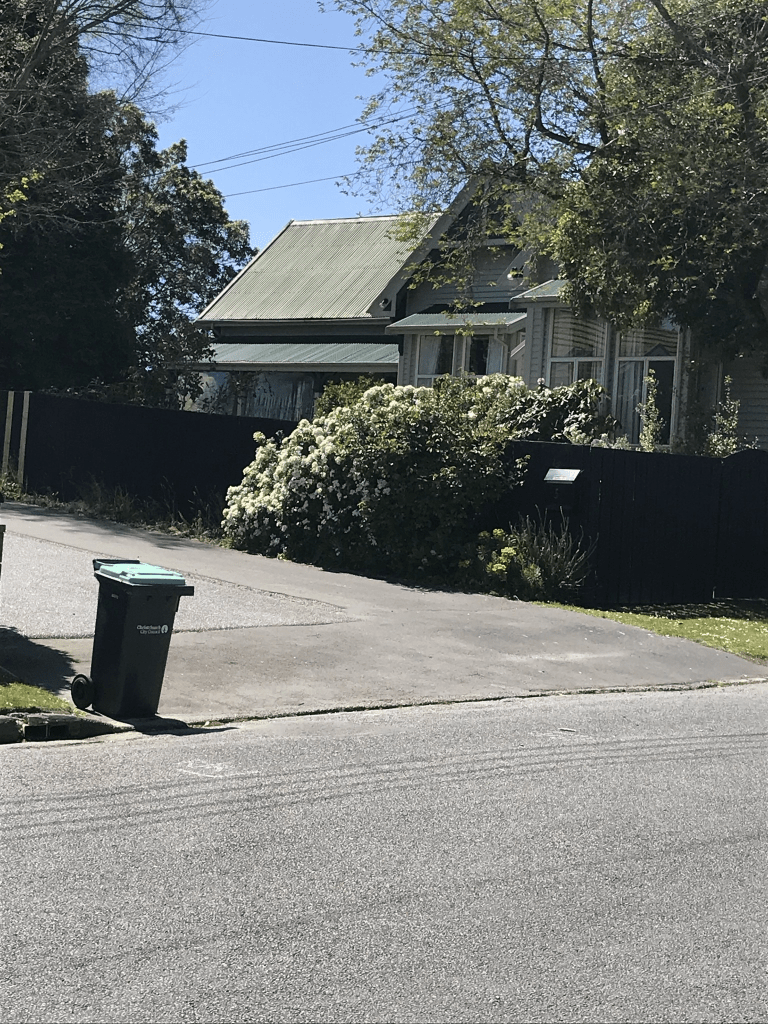
The oldest house on the street is Daresbury House which was built about 1900 and I believe that it’s original address was Fendalton Rd. The rest of the houses date from 1905 to 2015 and some are really lovely. Daresbury House is gorgeous and the property is being subdivided again. The planned houses just look so wrong as the designs are too modern and will look out of place.
Makora St in Fendalton – formerly Kaka Street. Kaka Street was formed off 159 Fendalton Road. In the Murray-Aynsley subdivision. Re-named Makora Street at the request of residents in 1942. Kaka Street is first mentioned in The Press in 1929.
A small amount of information from the library website. Not much on Papers Past apart from death notices and then in the 1970s there were engagement notices. In 1941 there was a new subdivision from the Blair Athol estate. There wasn’t a reason given for why the residents wanted the street name changed from Kaka to Makora. There was mention of a soil cement house in 1950 and I got the impression that it was a new concept.
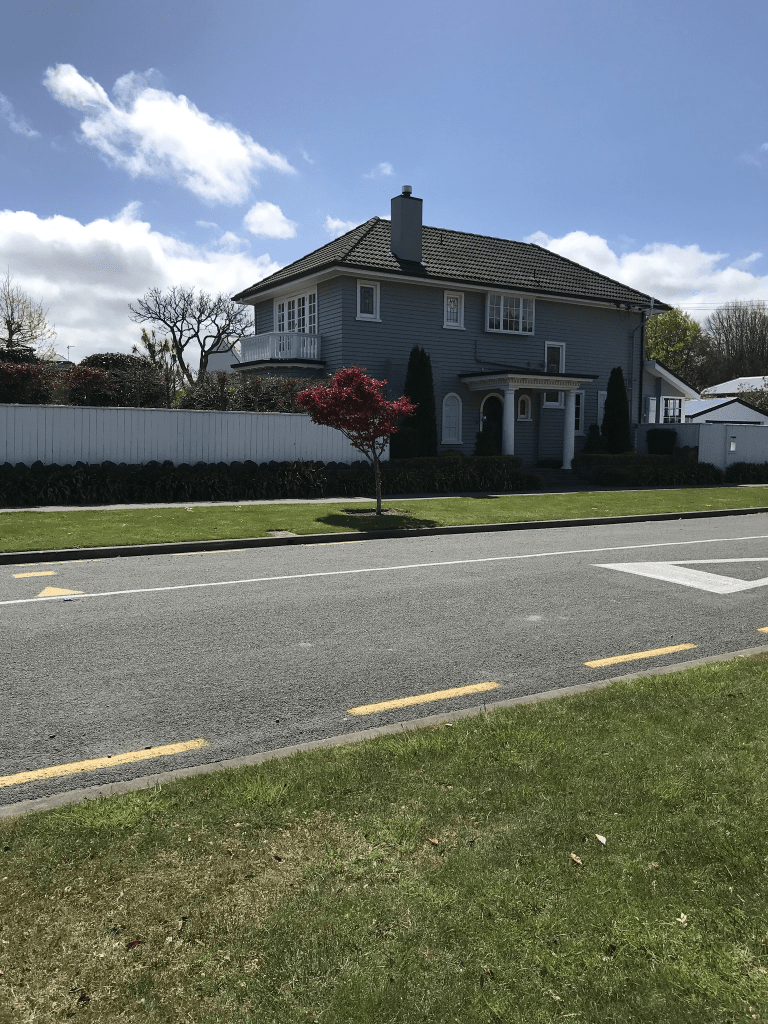
The houses here cover every decade from 1940s to 2020 and the house that I loved is apparently from 1950 but I was positive that it would have been from 1910 or 1920. A huge range of house styles ranging from really lovely to really ugly. Some lovely gardens but why do the ultra modern houses have such sterile and boring looking gardens. I was doing a lab adventure yesterday and decided to walk from waypoint to waypoint rather than drive.
Rochdale St in Fendalton- Named after Rochdale in Lancashire, England. John Ingledew Royds (1870-1949) bought land there when Annie Townend’s Mona Vale estate was auctioned in 1915. His family came from Rochdale in Lancashire. The street was formed when his land was subdivided. First mentioned in The Press in 1926. First appears in street directories in 1927.
A small amount of information from the library website. I never visited Rochdale but do remember driving past it. An old lady that I looked after when I was in the UK was descended from Rochdale mill owner.
Papers Past had lots of death notices and a few birth notices and once you get into 1970s there are engagement notices. In 1927 the drainage board used a trench digger for the first time to dig trenches for sewage on this street. In 1929 this street was included in a big paving program. In 1951 trees were planted along the street. Many news articles about burglaries on this street. The street runs from Straven Rd to Harakeke St and many of the houses were built in the 1930s. There are still 3 houses from the 1920s but the others have been demolished. the modern ones were so ugly and I know that I am biased but they just don’t fit into the character of the street. There was one modern house that I liked but it is well beyond my budget. There was a 1930s house that stood out and again well beyond my budget.
Colwyn Street in Bryndwr – Named after Colwyn Bay, a town, community and seaside resort in Conwy County Borough on the north coast of Wales, overlooking the Irish Sea. Colwyn Bay was a favourite place to holiday for Frederick Charles Williams (1887- 1963) and his family. He owned land in Brookside Terrace where he grew tomatoes commercially. He developed Colwyn Street to give access to the rear of his property. Named in 1955. Information
supplied in 2015 by Mason Williams, great-grandson of Fred Williams. “New streets in Christchurch”, The Press, 28 June 1955, p 6
A reasonable amount of information from the library website and nothing that I can add about the name of the street.
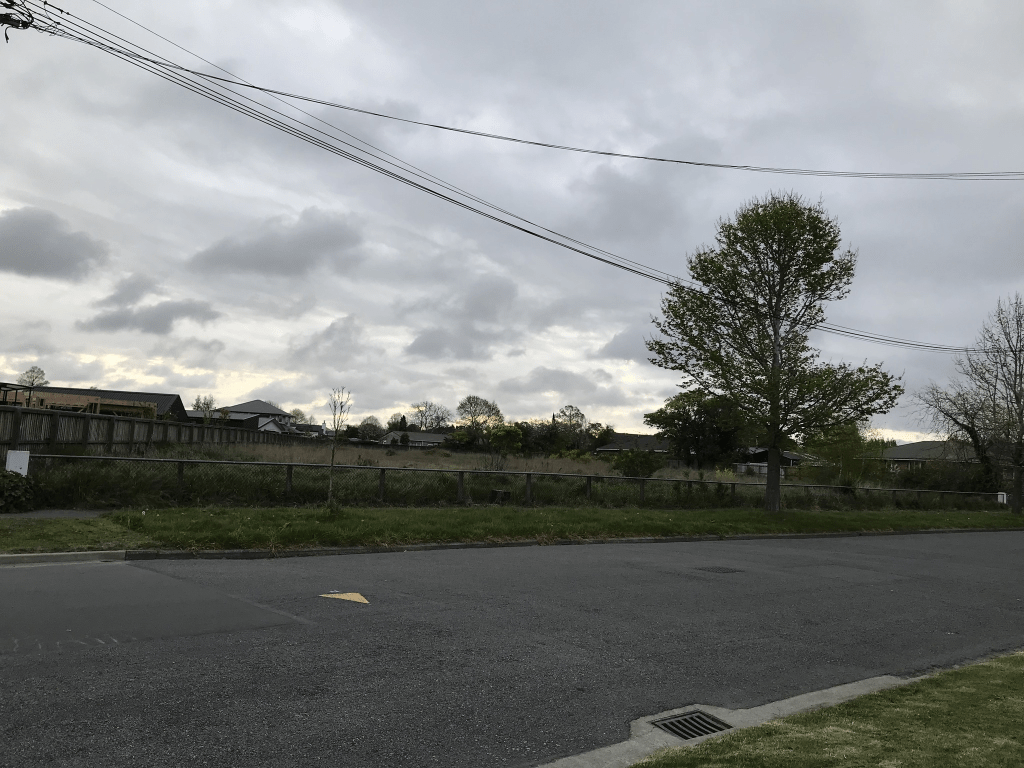
Found the same information on Papers Past about new streets. In 1958 there was an ad for the tender for extension of the street. In 1959 there was at least one objection to the land where the road extension was planned being rezoned as residential as they wanted it to be zoned commercial. Same year there was a special order allowing the road extension. In the 1960s and 1970s the Vintage Car Club had club rooms on this street. Aorangi School was on this street until it closed in 2010 but not a lot of information on Papers Past about the school. This explains the big empty section on the street. The street runs off Aorangi Rd and at the other end there is a walkway through to Wairakei Rd. This end of the street was taken up by Elmswood Retirement Home. Most houses were built in the 1950s and 1960s with a few ugly modern places. None of the houses stood out as they were typical style for the era except for one house. I would loved to have had a better look at it or managed to get photos as it had a lovely garden plus a gazebo. The house itself was ordinary but the garden made it outstanding. The owners had named it Caithness Cottage. I had used the walkway from Maelor Place to get to this street.
Maelor Place in Bryndwr – Named after a 38km walkway near the village of Penley in Wales.The land where this street was developed was purchased about 1937 by Frederick Charles Williams (1887- 1963), a builder. He grew tomatoes commercially on this site and also used the land as a ready supply of topsoil. This land was compulsorily acquired by the government for Aorangi Primary School in the 1950s. It was offered back to the Williams family after the school was closed in 2010. The street was formed on the final subdivision of Williams’ land. [The Williams family had wanted the street to be named Penley Place because Fred Williams had been born in Penley in east Wales. This name was declined by Christchurch City Council as there were other similar street names and there was potential for confusion.] Named in 2015. Information about Fred Williams supplied in 2015 by his great grandson, Mason Williams.
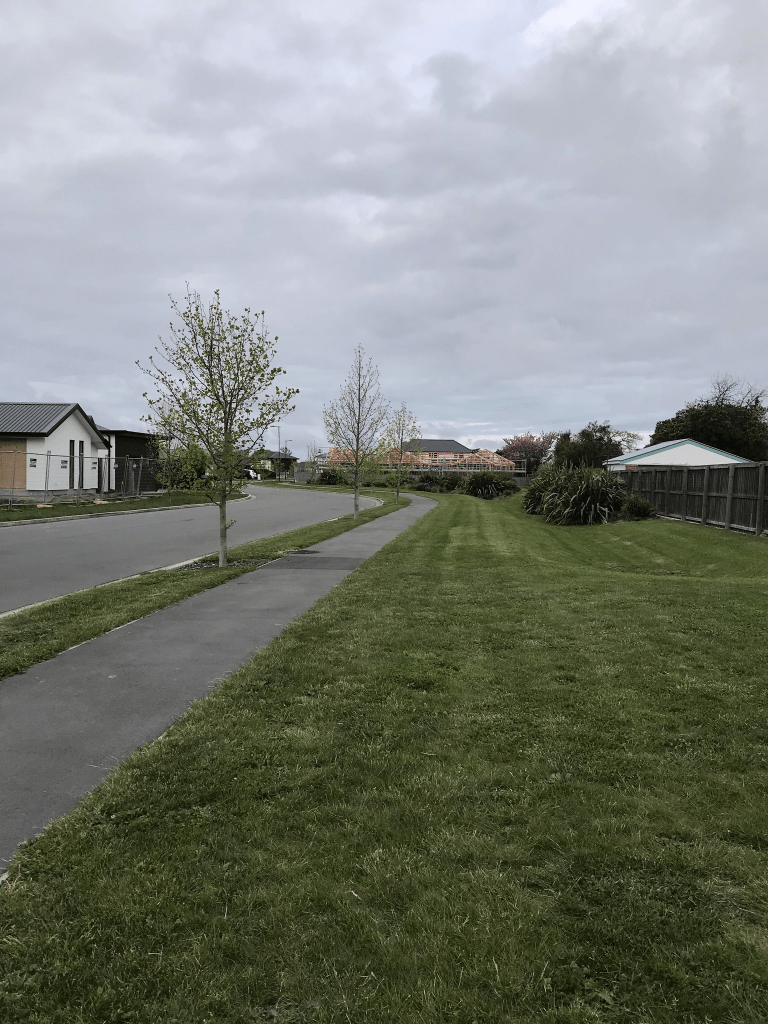
A reasonable amount of information from the library website and the walkway in Wales is called Maelor Way. When I checked it on the map I realised that I have walked a small portion of the walkway that is near Chirk. This is a very new street and the houses are from 2019 and 2020 with houses still being built. There are some seriously ugly modern houses here and the best thing about the street is the name. I was geocaching in the area last night.
Rhyl Place in Bryndwr – Named after Rhyl, a seaside resort town and community in Denbighshire, situated on the north east coast of Wales, at the mouth of the River Clwyd. Rhyl was a favourite place to holiday for Frederick Charles Williams (1887-1963) and his family. He was the developer of the street about 1956. First appears in street directories in 1970. Information supplied in 2015 by Mason Williams, great grandson of Fred Williams.
A small amount of information from the library website and nothing that I can add about the name of the street. Not a lot of information on Papers Past apart from a few death notices. In 1967 the street is mentioned as a proposed street and revocation of the road reserve. Revocation of the road reserve in mentioned again in 1975. I googled Rhyl and I hadn’t been there but it wasn’t far from Conwy where I have stayed.
There are 18 houses here mostly built in 1970s and 1980s but a couple of ugly modern houses. The weirdest looking house is from the 1980s. There were also about four houses that were built in an older style that I liked. Looked like a pleasant street that runs off Colwyn St.
Cunliffe Rd in Redwood – formerly Part of Farquhars Road. First appears in street directories in 1960. A tiny amount of information from the library website. I couldn’t find any information on Papers Past about the change in the street and the only map I could find was from 1962 and it already had Cunliffe Rd on it. In 1970 there were sections for sale and I suspect that these sections would have been from William Cunliffe’s estate as he died in 1965. Found a brief obituary for William and he was the nephew of Richard John Seddon. He was 85 when he died and had worked for the railways for most of his life. Lived on Cunliffe Rd when he retired. Not quite right but close. In 1949 William and his wife lived at 448 North Road and in 1957 it has them at 448 Cunliffe Rd but by 1963 he was at 7 Cunliffe Rd. What I think that I need to check out is when the overbridge was built. A pleasant street that runs off the Main North Rd and William’s house at No 7 is now called Cunliffe House and is a rest home. It looks like a lovely place to retire to and if you ever see a man sitting on his walking frame near the overbridge he is from the rest home. Only 12 houses here dating from 1950 to 1990.


 Lytteltonwitch's Walking the streets of Christchurch Project