Decide to edit the first post that I made as it was a generic one set by the website. I love walking and I love history and what started as a simple walking exercise grew until friends suggested that I do a blog. At some stage I will add Lyttelton Streets to the blog along with other random stuff
This is the first post on my new blog. I’m just getting this new blog going, so stay tuned for more. Subscribe below to get notified when I post new updates.
I looked at Papers Past for information about the Burnham Industrial School and entries were from Court news where children were sent to the school. There was supposed to be an article about the opening of the school in October 1874 but I couldn’t find the article on Papers Past. The earliest entry that I found was in March 1875 where two children aged 4 and 5 were sent to the school for 5 years. Their mother was found drunk and semi naked in Salt’s Gully. Note Salt’s Gully is now Hawkhurst Road in Lyttelton.
In 1876 two cottages were to be built and in 1879 the infirmary was completed. In 1880 there were ads regarding building two classrooms. There was a band plus a sports team. The school mostly had boys but there were a few girls as well. It eventually was for boys only but couldn’t find a date for when girls were sent elsewhere. In May 1918 the boys were sent elsewhere and by 1920 it was taken over by the Defence Force and became Burnham Camp.
The children were sent here for various reasons. Some were considered troublemakers but the majority were neglected children with drunk parents being a big problem. In many cases the fathers had disappeared leaving the mothers to struggle. The mothers made a living by the only way possible for many women those days and became prostitutes. Other children were orphans.
Life was hard and the lucky ones were fostered by caring adults. Several stories about the boys being flogged and many people in Canterbury considered the children to be the dregs of society. I did find a photo of the buildings but it was copyrighted so I couldn’t take a copy of it.
I possibly had some indirect ancestors who ended up here and it does explain why Nana Cave was so anti drink as she would have seen the affects on members of her mother’s family.
The reason I ended up writing about this school is because a couple of people asked me about it plus there was an amusing episode in the weekend. I had borrowed a book from the library for a friend who doesn’t live in Christchurch. The book was a non fiction book about Woodend and my friend had several ancestors settle in this little town. I read the book myself before driving out to Rolleston. In the book there was a story about four children who were fostered by a family in Woodend. The children had ended up in the Burnham Industrial School thanks to a mother with a drink problem. The father had disappeared to Wellington. These children had the same surname as a family that was in my friend’s family tree so we discussed at length trying to work out how they fitted into her family. When I got home I did some research and discovered that these children weren’t related to my friend but they were related to me. They were first cousins to my grandmother on her mother’s side. My friend and I had a good laugh about this.
Cave Terrace in Redcliffs – Named after the caves still seen in the cliff face. The first homes in Redcliffs were built at the beginning of the 20th century. First mentioned in The Press in 1906. First appears in street directories with residents listed in 1936. Before this it is listed with a see ref. to Moncks Spur.
A small amount of information from the library website and nothing that I can add about the name of the street. The first entry on Papers Past was in April 1906 and it was an ad for the sale of sections. Between 1906 and 1913 there were lots of ads for sections and all mentioned great views. From 1917 onwards the ads were for houses. In 1909 the road had been metalled and concrete channels formed. In 1908 stormwater drains were mentioned and they were still discussing them in 1925. There was the usual birth and death notices. In 1911 the residents requested that the council lay water on for them but the council deferred this but they eventually got water. From 1913 through to 1940 widening the road was frequently discussed. In 1913 Mr E W Pidgeon offered a strip of land free of cost to widen the turn by the Spur. They were still discussing the dangerous turn at Pidgeon’s corner. A Mr Smith also offered land for road widening and in 1933 the Kennett estate offered land for the same purpose. Most of the discussion re road widening was for the very sharp bend at the corner by Moncks Spur Road. The corner of Cave Terrace with the Main Road was also discussed.
In July 1918 after heavy rain plus a snow fall there was a slip that took away land in front of the house that used to belong to Nurse Maude but is now owned by Mr Stott.
There must have been a rifle range nearby as in the late 1920s there were complaints about shots coming too close to the houses. Going by the description of the rifle range it sounded like it was in Barnett Park. In the late 1950s there were a few entries about garden competitions. In the 1970s there were letters to the editor complaining about the dangerous bends on the road. In 1992 the hairpin bend on the corner of Cave Terrace and Moncks Spur Road was upgraded. The sewers were renewed in 1988. There were slips on the road in 1992 after storms. Cave Terrace was mentioned in connection with accidents involving trucks but the accidents actually happened on Moncks Spur Road. The trucks went over the bank on Moncks Spur Road near the corner with Cave Terrace.
The valuation website that I use said that there are 12 houses here and there was from 1910 and another from 1920. Sadly these two houses have been demolished which is a pity as going by street view they looked like lovely wooden villas. I had a good look at street view and it looks like four houses have been demolished. They were still standing in 2022. There is a lovely Art Deco house built in 1930 on this street. There was another fairly new house that looked rather boring compared to the house that it had replaced.
I was geocaching in the area today and decided to walk a street. I was going to walk more streets but just walked this one. I shouldn’t be walking more streets as I do have a backlog of streets to research and write. I had parked in Barnett Park and I looked at this street from the Main Road and decided not to walk up the street as I felt that it would be too dangerous. Instead I walked up the steps above the caves that are on the Main Road at the bottom of this street. These steps took me to Moncks Spur Road and I walked along Moncks Spur Road until I got to Cave Terrace. There was a footpath here and the lovely Art Deco house is near the corner. Then there is a huge empty section and you can still see the driveways plus steps that would have led to the houses. When I got to the end of the footpath I decided that it would be reasonably safe to walk down the road as long as I was careful. Not many cars on the road thank goodness. I did take a couple of screenshots from street view of two of demolished houses.
Kirirua Avenue in Halswell – Kirirua is a te reo Māori name for the longfin eel. Kirirua, longfin eel (Anguilla dieffenbachii), are a species of freshwater eel endemic to New Zealand. They are uniform in colour from dark brown to grey-brown dorsally, and silvery ventrally.
Additional information: Date Named: 30 November 2021
Subdivision: Sabys Estate: 84 Sabys Road. The road names are themed for the wildlife that has been spotted during ecological surveys at Creamery Ponds, which are immediately adjacent to the subdivision site.The Creamery Ponds are a site of ecological significance as it provides habitat for an assemblage of indigenous birds that are representative of freshwater lakes and ponds, including two threatened and at-risk species, and also supports at-risk longfin eel.
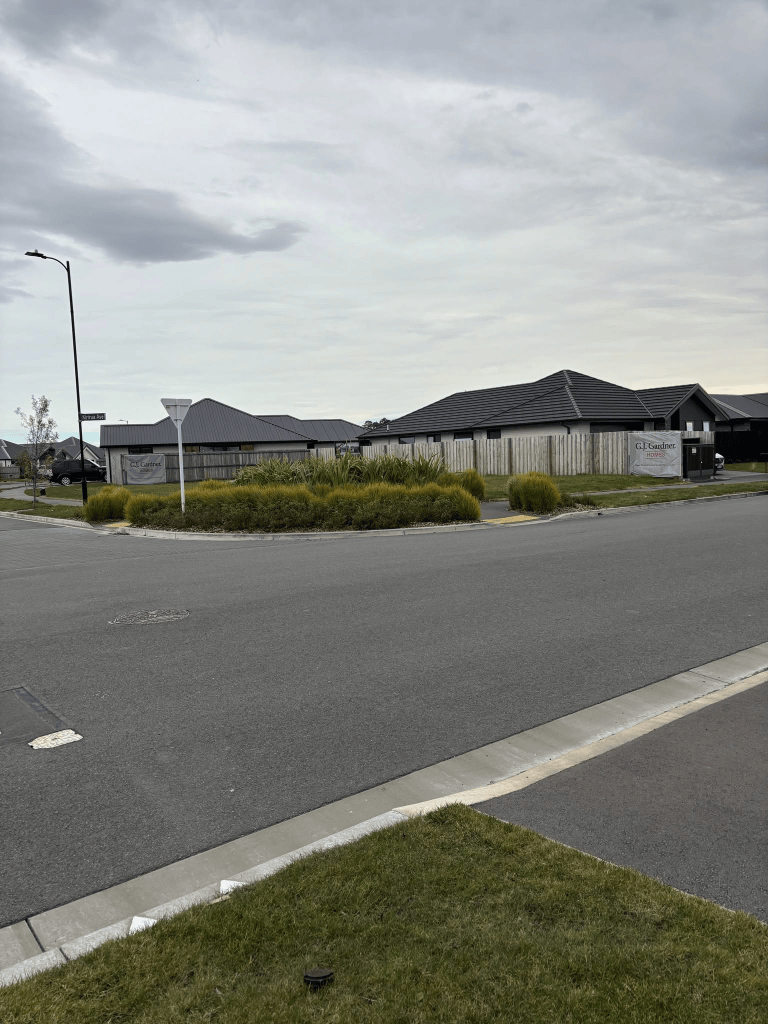
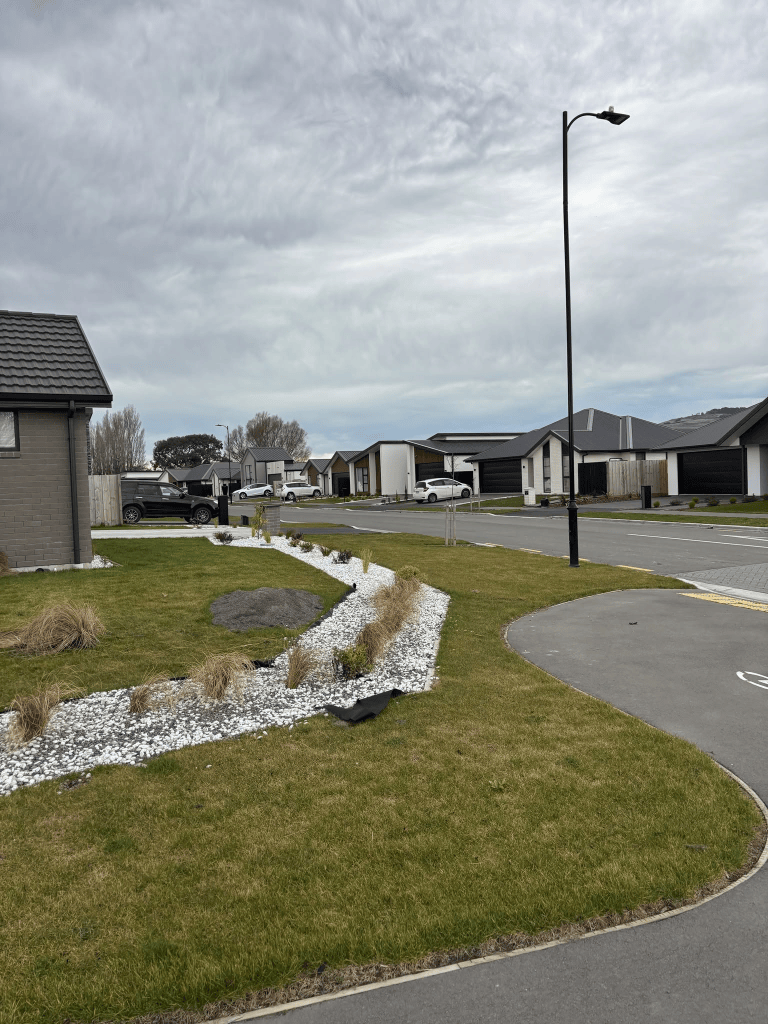
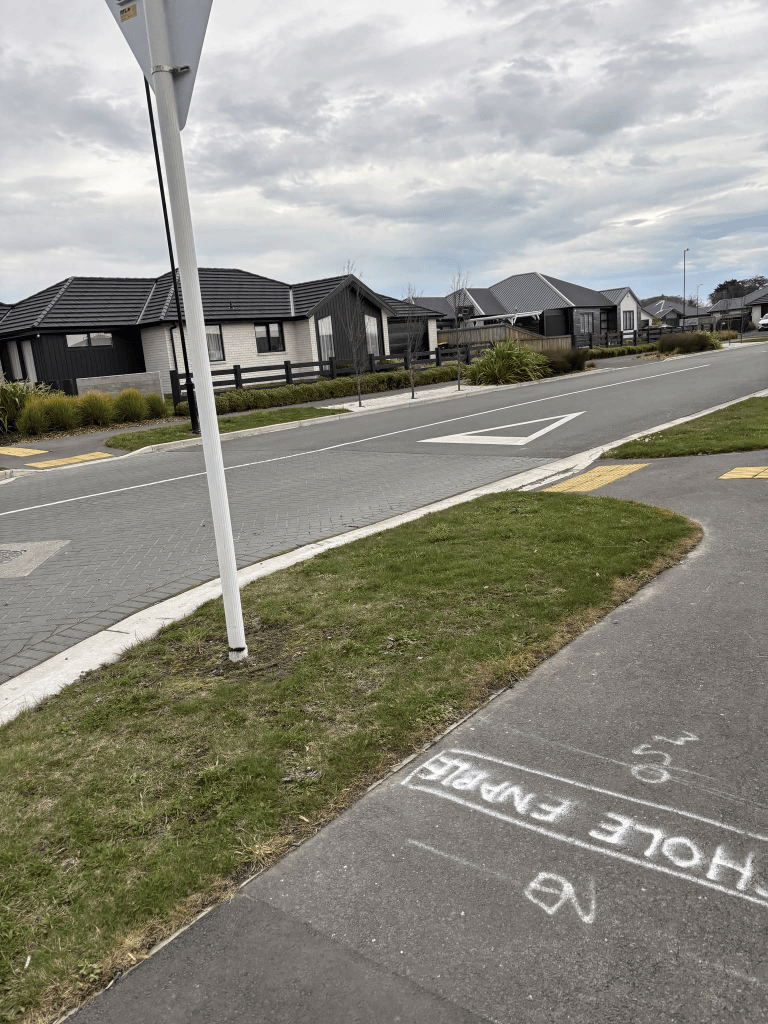
A reasonable amount of information from the library for a new street. I had been geocaching in the area and decided to walk the new streets in the area. I shouldn’t be walking more streets as I have a bit of a backlog of streets to research and write up. I would hate to live on this street as one of the residents was playing extremely loud music
Matamoe Drive in Halswell – Matamoe is a te reo Māori name for the shortfin eel. Matamoe, shortfin eel (Anguilla australis), are a relatively large type of eel, dark olive to olive-green in colour, and whitish-grey to silvery ventrally. They are widespread in lowland fresh waterways and live under cover of overhanging rocks and debris.
Additional information: Date Named: 30 November 2021
Subdivision: Sabys Estate: 84 Sabys Road. The road names are themed for the wildlife that has been spotted during ecological surveys at Creamery Ponds, which are immediately adjacent to the subdivision site. The Creamery Ponds are a site of ecological significance as it provides habitat for an assemblage of indigenous birds that are representative of freshwater lakes and ponds, including two threatened and at-risk species, and also supports at-risk longfin eel
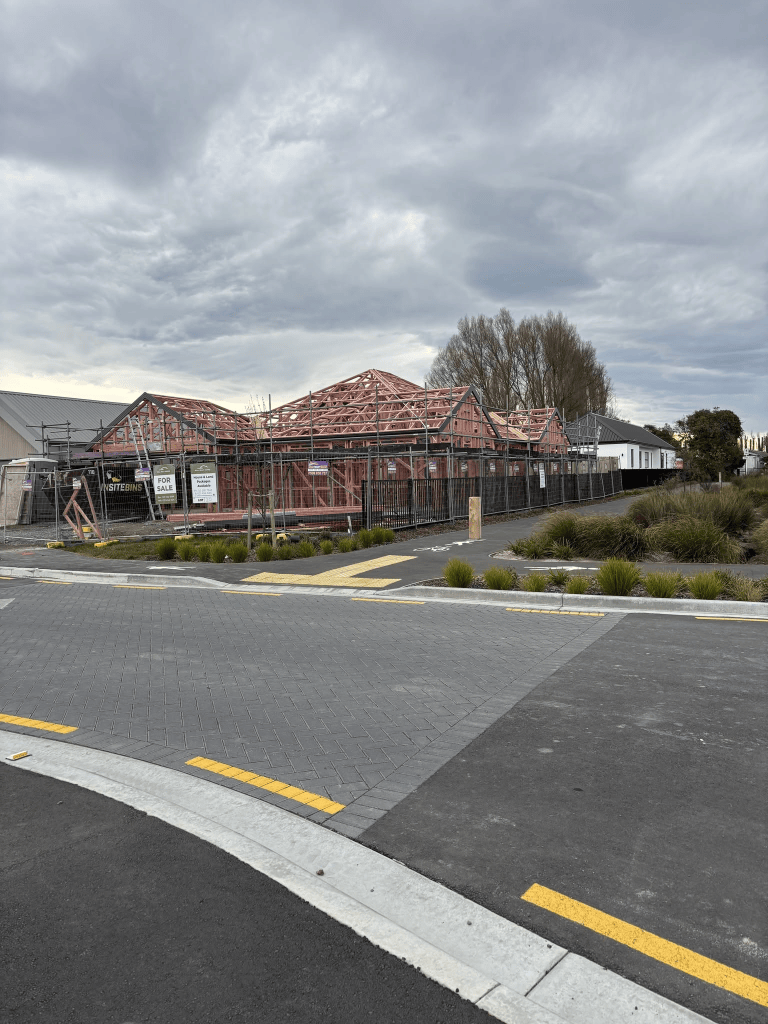
A reasonable amount of information from the library website for a new street. No street view for this street and the street runs from Sabys Road to the new Candys Road. Google maps show it as going from Sabys Road to Candys Road but Apple Maps show it as finishing at Paradise Way. I never trust Apple Maps. There is a walkway / cycleway that runs from Quaifes Road through to Candys Road here. There are still houses being built here and most houses are new builds but I did check one house as it looked like an older house. This older house dates from 1995 and I suspect that it used to have a Quaifes Road address but couldn’t see it on street view for Quaifes Road as there were hedges in the way.
Paradise Way in Halswell – Named after the paradise shelduck. Paradise Shelduck (Tadorna variegate) is a large goose-like duck endemic to New Zealand. Commonly referred to as the “paradise duck”, it is a prized game bird, both the male and female have striking plumage.
Additional information: Date Named: 30 November 2021
Subdivision: Sabys Estate: 84 Sabys Road. The road names are themed for the wildlife that has been spotted during ecological surveys at Creamery Ponds, which are immediately adjacent to the subdivision site. The Creamery Ponds are a site of ecological significance as it provides habitat for an assemblage of indigenous birds that are representative of freshwater lakes and ponds, including two threatened and at-risk species, and also supports at-risk longfin eel.
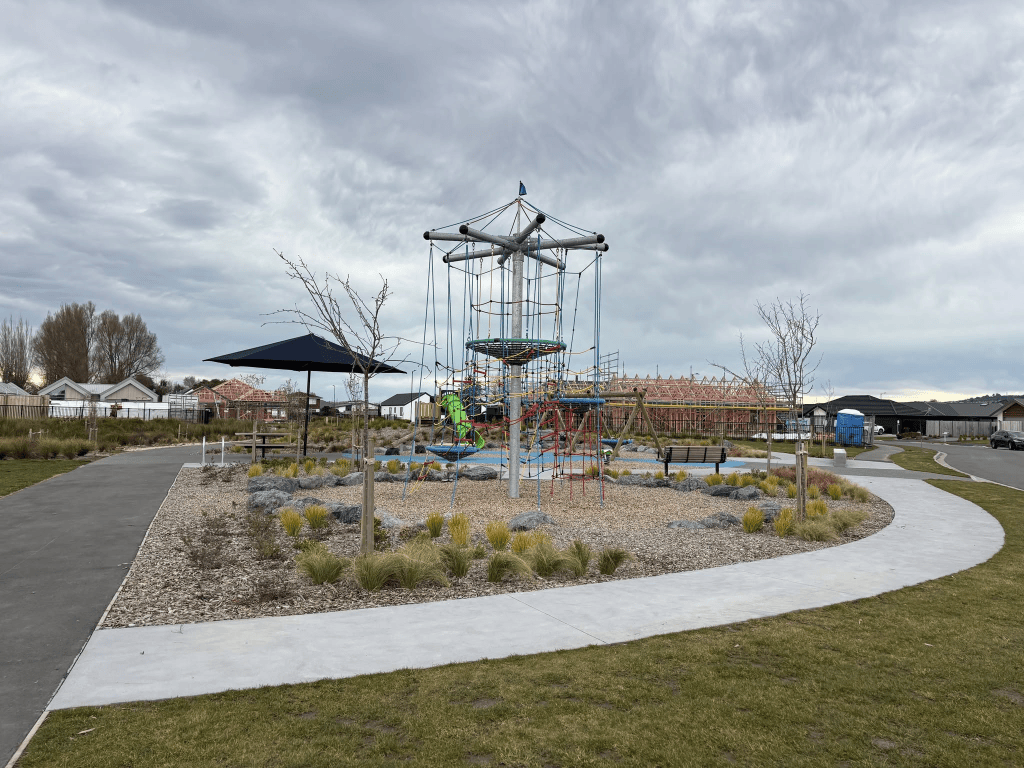
A reasonable amount of information from the library website for a new street. Houses are still being built on this street. There is a walkway / cycleway that runs from Matamore Drive to Candys Road. Note this is the new Candys Road and not the old Candys Road. There is a playground here and it called Sabys Green.
Tuna Street in Halswell – Tuna is a te reo Māori name for eels. Tuna refers to both shortfin and longfin eel species. These eels are native to New Zealand and are widespread throughout New Zealand freshwater ways.
Additional information: Date Named: 30 November 2021
Subdivision: Sabys Estate: 84 Sabys Road. The road names are themed for the wildlife that has been spotted during ecological surveys at Creamery Ponds, which are immediately adjacent to the subdivision site. The Creamery Ponds are a site of ecological significance as it provides habitat for an assemblage of indigenous birds that are representative of freshwater lakes and ponds, including two threatened and at-risk species, and also supports at-risk longfin eel.
A reasonable amount of information from the library website for a new street. Most houses here were built in 2024 / 2025. The footpath was only on one side of the road which is always annoying. No street view on google maps. There was one house which had a lovely water feature on the front lawn but I wasn’t able to get a photo of it. I was geocaching in the area today.
Silvereye Street in Halswell – Named after a bird, the silvereye. Silvereye (Zosterops lateralis), also known as wax-eye, is a very small omnivorous passerine bird of the south-west Pacific. The silvereye was first recorded in 1832 in New Zealand and as an apparently self-introduced bird, it is protected as a native species. The Māori name, tauhou, means “stranger” or more literally, “new arrival”.
Additional information: Date Named: 30 November 2021
Subdivision: Sabys Estate: 84 Sabys Road. The road names are themed for the wildlife that has been spotted during ecological surveys at Creamery Ponds, which are immediately adjacent to the subdivision site. The Creamery Ponds are a site of ecological significance as it provides habitat for an assemblage of indigenous birds that are representative of freshwater lakes and ponds, including two threatened and at-risk species, and also supports at-risk longfin eel.
A reasonable amount of information from the library website for a new street. Only about 5 houses on this short street and there isn’t any street view on google maps for this street. Houses built 2024 / 2025 and too new for me to find any news or gossip for the street. I had been geocaching in the area today.
Beresford Street in New Brighton – Formerly Wilson Street. Named after William Barbour Wilson (1819-1897). Also formerly High Street. Wilson Street and High Street were amalgamated and re-named Beresford Street. Named after Charles William Beresford (1846-1919). Wilson, the first Mayor of Christchurch in 1868, owned land at New Brighton. He was the first chairman of the New Brighton Tramway Company. Wilson Street is first mentioned in the Star in 1878. High Street was the section of Beresford Street from Union Street to Marine Parade. Wilson Street was the section from Richmond Terrace (later Owles Street) to Union Street. Both Wilson Street and High Street were formed in 1890. Wilson Street and High Street were amalgamated to become Beresford Street at a special meeting of the New Brighton Council on 12 August 1907. Beresford was Commander of the Channel Fleet 1903-1905. Harry Hawker (1868- 1947), a councillor 1905- 1909, had suggested that New Brighton street names be changed to the names of British sea captains who had fought in the 18th and 19th century – a gesture linking Christchurch with the home country, was patriotic and emphasised the fact that New Brighton was a seaside suburb. A huge amount of information from the old library website. Note the new library website has less information than the old website.
There were lots of streets named after William Barbour Wilson and I have written about him in connection with those streets. He was a nasty wife beating drunk.
On Papers Past as High Street there were sections for sale in 1892 plus a couple of death notices. In the 1890s Mrs Homersham had a boarding house and there were ads for letting rooms in her house. Wilson Street has sections for sale in 1890 and 1892. A couple of death notices and in 1905 stables were destroyed in a fire.
In 1907 the streets became Beresford Street. In 1908 the street between Union Street and the beach was formed and in 1909 there were sections for sale. There was possibly a Beresford Street in Linwood as well. In the 1020s and 1930s there was a Nurse Miles Maternity Home and it was also called Tiverton Private Hospital. Lots of ads for this private hospital. In 1931 William Miles died at Tiverton 63 Beresford Street and Mary Miles died in 1937. There was also a Nurse Yole’s Maternity Home in the 1930s at 103 Beresford Street.
In 1921 there was a mortgagee sale for Joyland Picture Theatre. In the 1940s there was a Princess Theatre but I wasn’t sure if it was the same theatre as Joyland Picture Theatre.
From the 1950s onwards there seemed to be a lot more businesses on this street. Lots of ads for the dry cleaning business, also Watson’s Motorcycles Company plus there was a coal merchant. In 1987 the supermarket had a fire. Liquorland was frequently mentioned and it was close to the Esplanade Hotel.
In 1990s Seaview Christian Centre got several mentions. There was also Seafield School of English.
Over the decades there were a few bodies found in the river at that end of the street and they usually were elderly or drunk and sometimes both.
I actually walked this street back in March when I was geocaching in the area. There is one house that dates from 1910 but it had been altered so much that I couldn’t tell that it was an older house. several houses were built in 1970 and 1990 and most houses were at the Owles Tce end of the street.
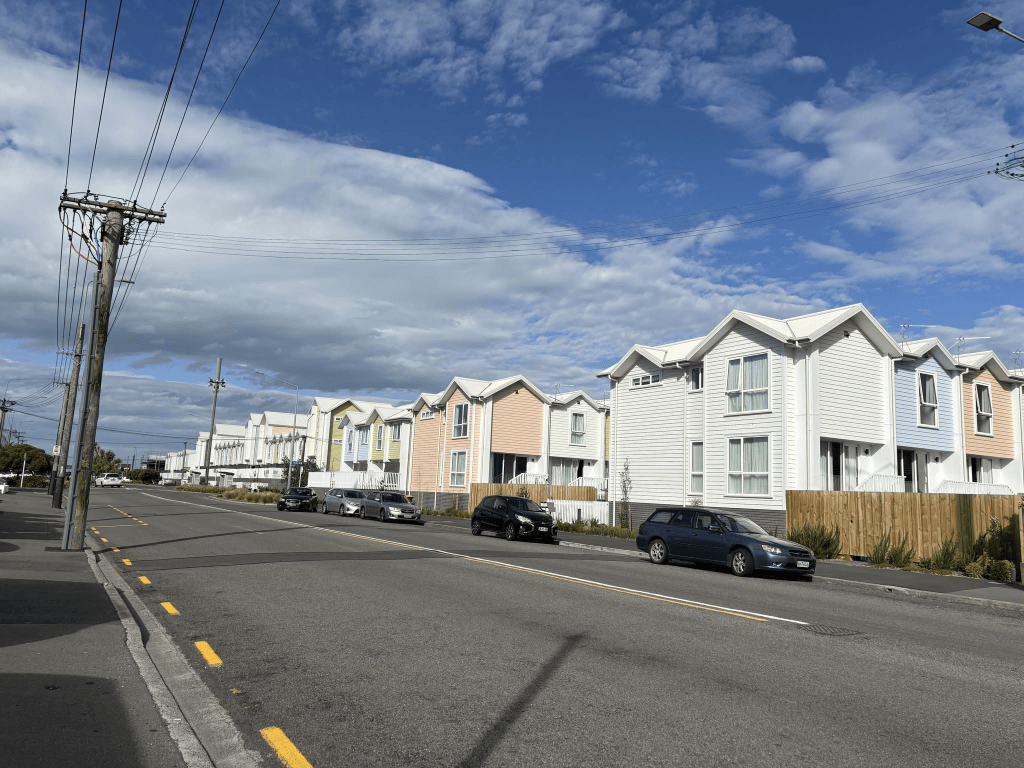
There is a kindergarten plus a ptreschool and nursery. There is a back entrance to the police station. At the Marine Parade end there is still a liquor store but it is now called Super Liquor. There was a huge number of units built in 2025 on the opposite side of the street from several businesses. I ended up comparing street view from 2025 and 2007. The Esplanade Hotel was demolished after the earthquakes. The Seaview Christian Centre and Seafield School of English are now Grace Beach Campus which is part of Grace Vineyard Church. All the new buildings on are Beresford Street on either side of Union Street have been built on two car parks. I am not sure if they are available to buy or rental units or possibly social housing. I did take a screenshot of the Seaview Cristian Centre from street view of 2007.
Colenso Street in Sumner – Named after William Colenso (1816?-1899). Colenso was a missionary, explorer and the printer of the first book ever produced in New Zealand. Part of the Johnstoneville subdivision. A cottage is advertised for let in Colenso Street in the Star in 1884. First mentioned in the Star in 1885 in a report of a meeting of the Sumner Town Board. First appears in street directories in 1911
A small amount of information from the library website. There are several entries online for William Colenso including a Wikipedia page. The first entry for this street on Papers Past was the ad in 1884 for the cottage for let on this street. In 1885 there was a villa and a cottage for sale. In 1890 there were sections for sale plus the street to be formed. In 1892 Mr Wiggins school was mentioned. In 1901 drainage system and septic tanks mentioned and in 1910 sewage was mentioned. Also in 1910 the state of the bridge over the creek was a concern. The street was metalled in 1913. The stormwater drains were completed in 1918. There was a quarry at the end of the street owned by Mr Stemmer. In 1927 it was decided to build a district high school on the street and land was purchased. The school was completed by December 1928. Between 1951 and 1968 flooding in the street was frequently mentioned and at high tide waves would surge up as far as this street. In 1947 it was reported that a resident of this street was missing in the Ballantynes fire but she was found alive. In 1952 the bus route to start going down this street. Apart from a few birth notices and lots of death notices the rest of the entries were about the schools on this street. The Sumner School had it’s 75th anniversary in 1951 and the original school opened with 8 boys and 11 girls. The secondary school was built but taken over by the military in World War Two. There was a second school on this street called Star of the Sea School that opened in 1928.
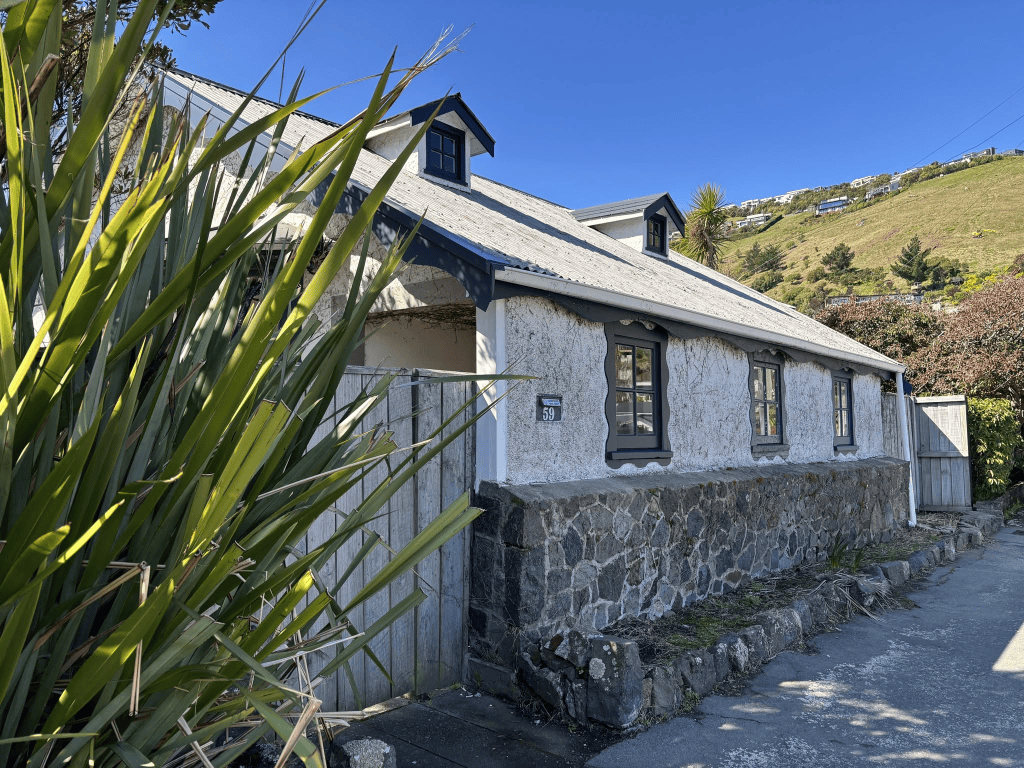
The houses on this street date between 1910 and 2024. There are 22 houses on this street that date between 1910 and 1920 and at least 2 or 3 of my photos are of houses from 1910. I didn’t get any photos from the end of the street where the schools are and if I am remembering correctly there were lots of children in the grounds of the school and on the footpaths. I actually walked this street in September last year and I hadn’t realised that I am that far behind in researching and writing up my street project.
Mary Quinn Avenue in Halswell – Named after pioneer settler, Mary Quinn. Mary Quinn came from London as a young girl with her family in the 1870s. Mary was a very pioneering woman who due to the death of her parents at a young age carried on farming in the Halswell area as a single woman for many years. Date Named: 28 June 2022 – Subdivision: 25 Milns Road. The road names are themed for local history, with a focus on pioneering women,
A small amount of information from the library website and I take no responsibility for their grammar.
I spend several hours looking at ancestry websites, Papers Past and cemetery websites and I couldn’t find Mary Quinn or anyone with that surname living in Halswell. I even looked at my books about pioneer women with no joy. The council website was also no use for any information.
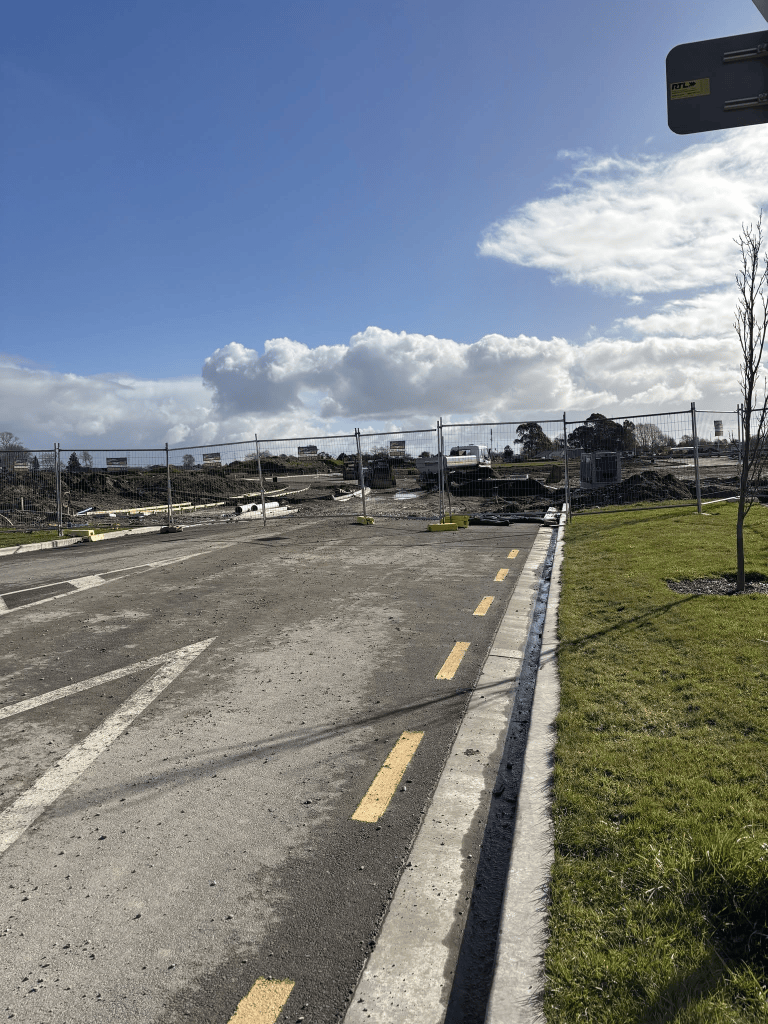
I was tidying up my photos on my phone camera and came across a photo from December 2024. The street at that stage hadn’t been developed and was just a fenced off paddock. Google maps show it as Collier Drive but the street sign says Mary Quinn Avenue. Today I decided to visit the street again and it is still an undeveloped street but it looks like they have started forming kerbs. No houses here yet and I will come back in another couple of years.
I am so behind with my street project but I have been slightly sidetracked with family tree research on the mysterious grandmother.