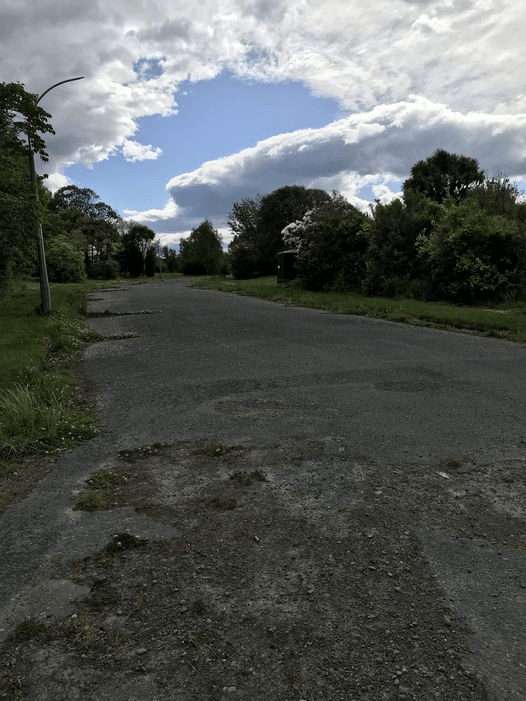
Halley Place in red zone of Avonside – Named after Kevin Noel Halley (1929- 1996).Halley was a Justice of the Peace and friend and workmate of the Ryan family. Named by Mary Catherine Ryan (1892- 1978), wife of William Nicholas Ryan (1885- 1950), a contractor. First appears in street directories in 1977. Information supplied in 2008 by Jack Ryan, in a letter to Margaret Harper.
A reasonable amount of information from the library website and not a lot that I can add to it. Very little information on Papers Past and in 1972 there were 13 sections available with houses to be built by Fletcher Construction Company. In 1973 the ads were saying that there were a variety of prestige buildings available. The only street view that I could find on google maps was from 2012 and many of the houses had already been demolished. A couple looked like they still had people living in them. Obviously there are no longer any houses here and I walked here yesterday while walking back to my car after doing a geocaching lab adventure.
Glade Ave in Richmond- Avon Glade Road and Avonglade Street. Named after Avon Glade, a house in Stanmore Road. Avon Glade Road is first mentioned in The Press in 1878 when land is advertised for sale there. Re-named Glade Avenue on 24 May 1926 when 21 streets were re-named.
A small amount of information from the library website. Not as much information on Papers Past as I expected. I didn’t find any entries for Avonglade St or even Avon Glade St. The only time Avon Glade Road was used was for the ads in 1878 when sections were available for sale. A few birth and death notices. A house called Richmond Villa is mentioned in 1890s and Mr Crichton’s residence Riversleigh is mentioned a few times. Locals will know Crichton Cobbers and Wilfred Crichton is probably connected to the same family. In 1934 the council dump on the corner of Stanmore Rd and Avon Glade was converted to a residential site. Interesting that it was called Avon Glade as the name of the street was changed Glade Ave in 1926. Under Glade Ave most entries on Papers Past were ads for a company called Waddell Construction.
I couldn’t find any information about a house called Avon Glade but it was possibly the home of Daniel and Fannie Ward. Daniel was an engineer for the Provincial Government but there isn’t any entries for him after 1877 and sections were available in 1878. I couldn’t find much information on the ancestry website but the family eventually were living in Melbourne. One of their sons drowned in 1874.
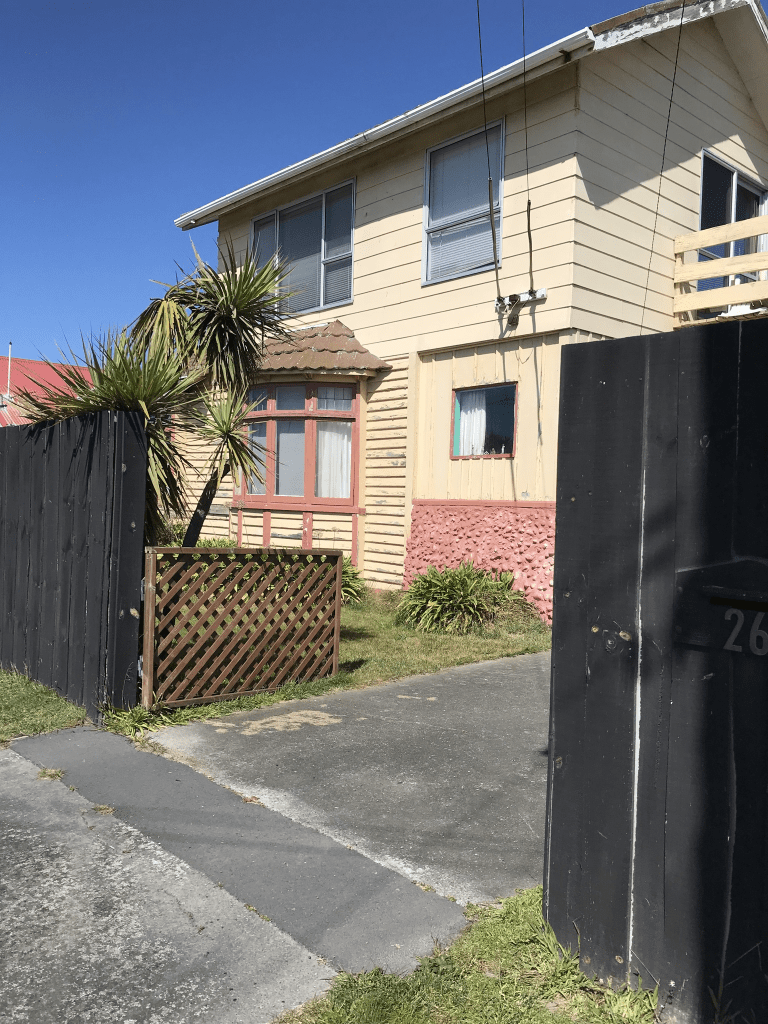
There are still a few houses near the Stanmore Rd end of the street. There are three or four built in 2019 and a couple built in 1970s. The cottage from 1910 looks very sad but the villa from 1920 looks OK. The house from 1930s looks very rundown and I thought it would have been because of the earthquakes but looking at street view from 2007 it was looking just as rundown then. Most of the street is red zoned and there was one really lovely house in 2007 but it has been demolished.
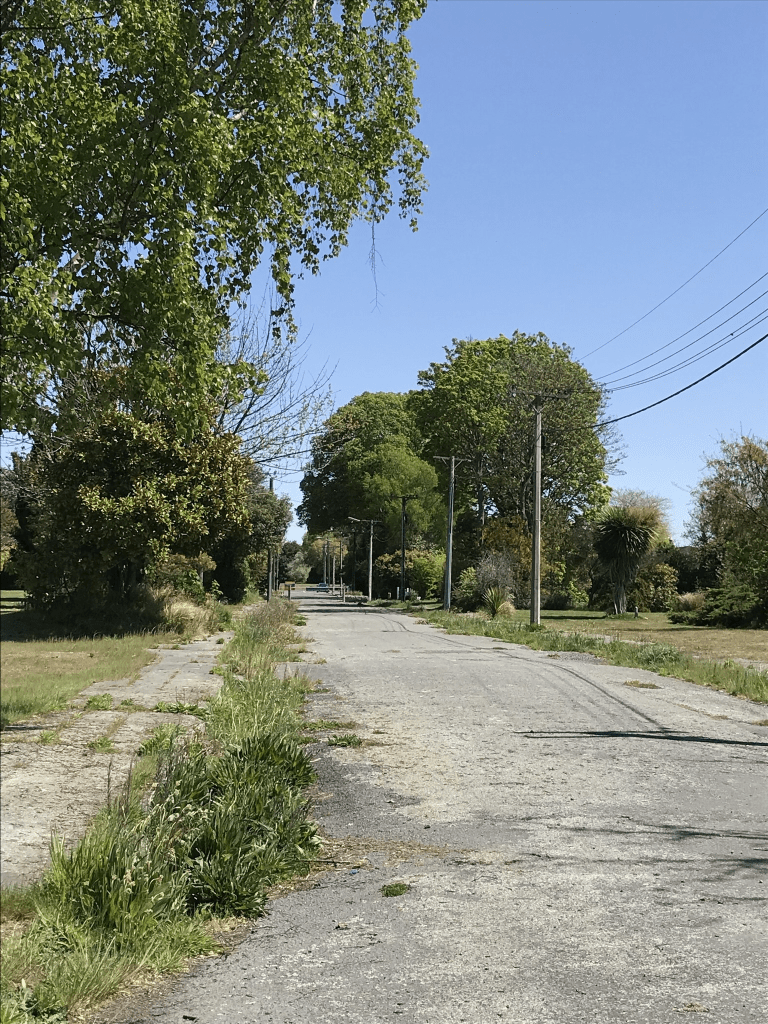
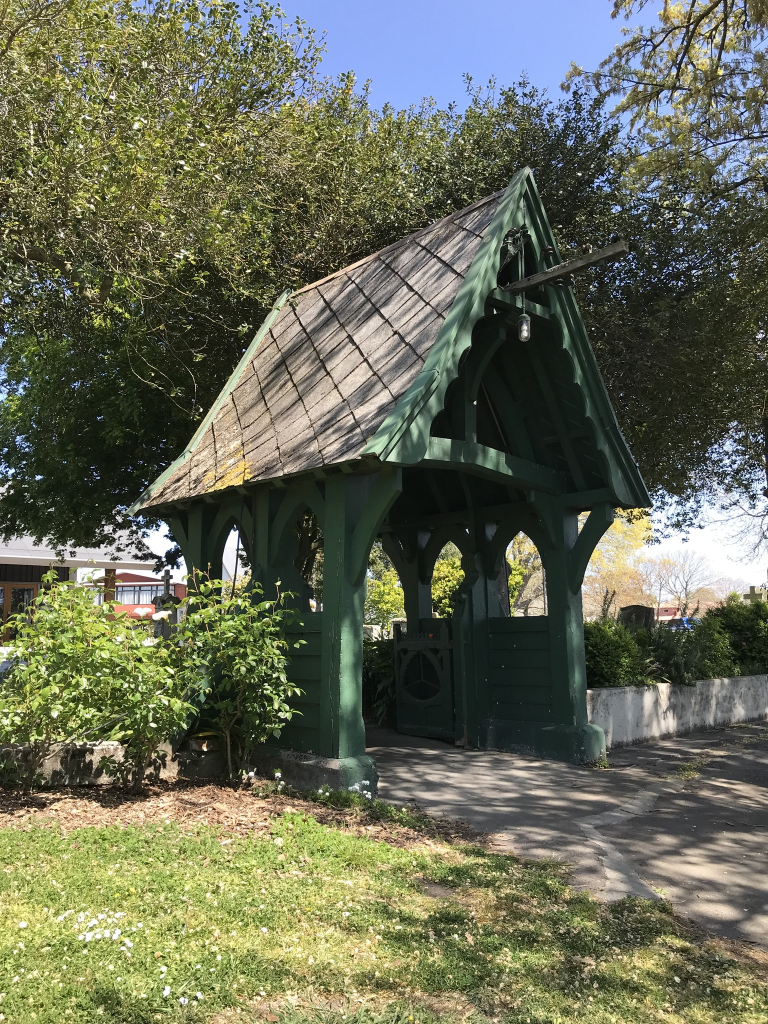
Lychgate Close in Linwood – Named because the street leads to what was once the site of the Church of the Most Holy Trinity Avonside and its graveyard. A lychgate is a gateway covered with a roof found at the traditional entrance to a British churchyard. Formed post-1997.
A small amount of information from the library website. I couldn’t find any information about this street as all houses have been demolished. The earliest street view was 2015 and it showed two houses still standing but they were gone by 2019. The street is now red zoned. I was doing a geocaching lab adventure nearby and as I was parked nearby I walked this street. I took a huge number of photos at the cemetery and have I ever mentioned that I love cemeteries.
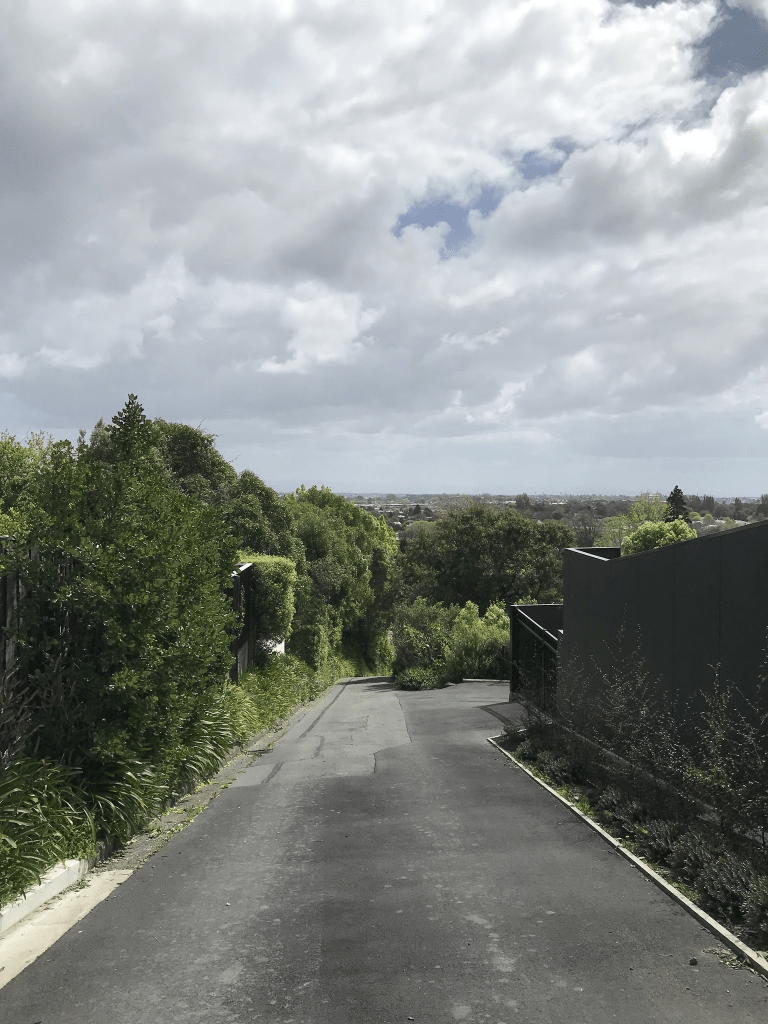
Karitane Drive in Cashmere – Named after the Karitane Baby Hospital on Cashmere Road which, in turn, was named after Sir Truby King’s original home, a cottage in Karitane, Otago. Albury Cottage, on the Cashmere Hills, was chosen to be the Christchurch Karitane Baby Hospital in 1918. It was opened that year with no formal ceremony because of the influenza epidemic Karitane Drive first appears in street directories in 1968.
A reasonable amount of information on the library website. Very little information on Papers Past as it only had a couple of ads and a couple of death notices.
I decided to look at the Karitane Baby Hospital instead. In May 1918 the Plunket Society purchased Albury Cottage for £3,500 and it was an up to date 10 room bungalow. They planned to built a nurses annex of 6 rooms. Extensions were added in 1938. In 1957 it was decided to built a 40 bed hospital. I imagine that the old hospital was no longer big enough or suitable.
The street is fairly steep and most houses were built between 1960 and 1980. On the corner of Karitane Drive and Crichton Tce there is Karitane Mews and this is an over 60s complex. After checking photos online I suspect that the Mews is built where the hospital used to be. Great views from this street especially from the higher part of the street.
Hardy St in New Brighton – Formerly Thomas Street. Named after Thomas Raine (1820-1907) of Rainestown. Re-named Hardy Street. Named after Admiral Sir Thomas Masterman Hardy (1769-1839)Thomas Street does not appear in street directories but land for sale there is advertised in the Star in 1885. Re-named Hardy Street at a special meeting of the New Brighton Council on 12 August 1907. Harry Hawker (1868-1947), a councillor 1905-1909, had suggested that New Brighton street names be changed to the names of British sea captains who had fought in the 18th and 19th century – a gesture linking Christchurch with the home country, was patriotic and emphasised the fact that New Brighton was a sea side suburb. Hardy was famed as Nelson’s flag captain at the Battle of Trafalgar in 1805
A reasonable amount of information from the library website. A few entries on Papers Past but mostly death notices. In the 1890s there were complaints to the Road Board about the state of the street especially from Mr Baker who said that he had trouble accessing his new house. In 1890 Mr G Sadler placed an ad to say that he would prosecute anyone taking sand from his property. Miss E Shaw had a boarding house known as Kent House. From 1913 onwards the Presbyterian Hall is mentioned a few times. After 1929 it is referred to as St Enoch’s Hall. In 1953 the power boat club had new club rooms on the corner of Owles Tce and Hardy St. A manual training school was opened in 1956. Who here is old enough to remember these schools.
Most the houses on this street were built in the 1970s but there are still two cottages from 1905 but I personally liked the house from 1920s. There are shops at the Seaview Rd end of the street opposite the museum which is in the old church. I will have to go back and visit the museum as it wasn’t open when I walked past. At the other end of the street is a Montessori school. A couple of the houses looked a bit rundown but overall it was a pleasant street.
I was amused that the street changed it’s name from Thomas St to Hardy St.
Collingwood St in New Brighton – Formerly Harriott Street. Named after Harriet or Harriott Hawker, née Raine, (1856?-1925). Re-named Collingwood Street. Named after Captain Cuthbert Collingwood, 1st Baron Collingwood (1748-1810).Harriet Hawker was a daughter of Thomas Raine (1820-1907) and Harriet Raine, née Vyse, (1822?-1907) of Rainestown. She married Charles Hawker in 1879. Land for sale in Harriott Street is advertised in the Star in 1885 and it was formed in 1890. It does not appear in street directories. Re-named Collingwood Street at a special meeting of the New Brighton Council on 12 August 1907. Collingwood was a British naval commander. Harry Hawker (1868-1947), a councillor 1905-1909, had suggested that New Brighton street names be changed to the names of British sea captains who had fought in the 18th and 19th century – a gesture linking Christchurch with the home country, was patriotic and emphasised the fact that New Brighton was a seaside suburb. Collingwood Street first appears in street directories in 1911.
A reasonable amount of information from the library website. Harriet’s husband Charles Hawker doesn’t seem to be related to Harry Hawker going by the various family trees on ancestry. Harriet’s husband Charles Hawker going by court records sounds like he was an abusive and violent husband.
In 1887, 1893 and 1897 under the Harriott name there were sections for sale on this street. Under the Collingwood name there were lots of death notices. In 1925 the butcher shop on the street burned down. In 1929 there was a ceremony for the laying of the foundation stone for a new Masonic hall. In 1972 there was a Rotary project to restore an old house as a senior citizens centre. There is a church on this street and it is possibly the same church that is described as a chapel on the street as early as 1893.
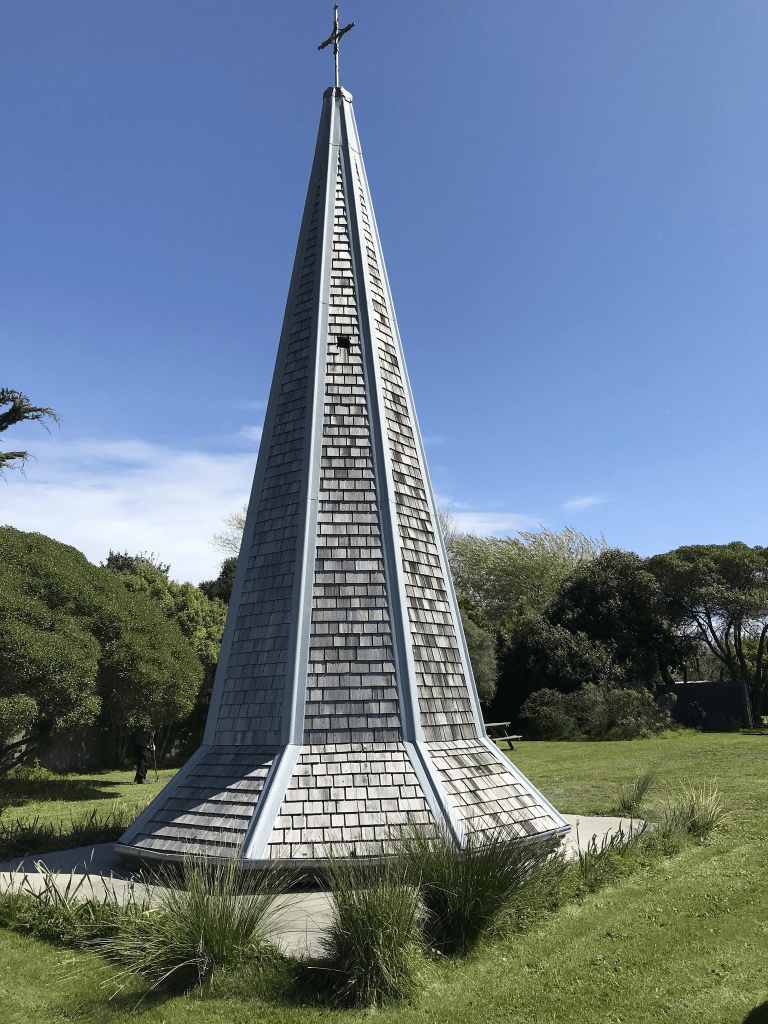
The church here has obviously been rebuilt after the earthquakes and the original steeple is in the church grounds. Nearby is a book fridge. A mixture of house styles and the two houses from 1905 are lovely. There is also a large building that looks like a hall or a community centre but it doesn’t look as if it is being used. On the corner of Collingwood and Union Streets there is an abandoned looking house that looked like it was once a play centre. There is a plaque on the wall and play equipment in the garden. The letterbox seems to be on Union St.
Ida St in New Brighton – The formation of Ida Street was discussed by the New Brighton Borough Council in 1915. First appears in street directories in 1920.
A small amount of information from the library website. Papers Past had ads for 8 sections for sale in 1887. There were also sections for sale in 1910. Lots of discussion about the metalling of the road in 1915 and it was finally done in 1922. Not a lot of information on Papers Past but an engagement notice in 1948 caught my eye as the surname was Gibb and there is a cottage on this street is called Gibb Cottage. This cottage was built in 1915. There was a cottage built in 1920. The other 7 houses were built between 1950 and 2020. A pleasant street. Edited to say that this street was possibly named after the daughter of Harriet Hawker nee Raines. Harriett had several daughters so why only one daughter gets a street named after them. It is also possible that Harriet had a sister Ida but couldn’t find this information on ancestry.
Briarmont St in Avondale – First appears in street directories in 1987. A tiny amount from the library website. Briar is a prickly plant.
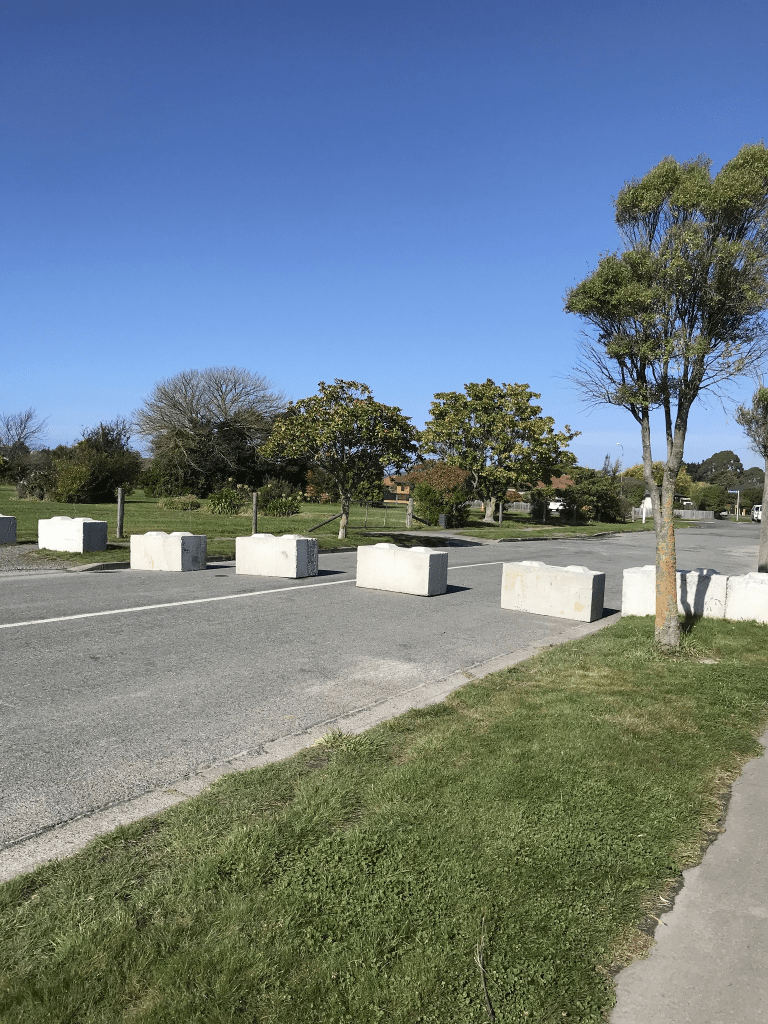
I actually walked this street back in April. Most houses here were built in the 1980s and 1990s and it looked like a pleasant street. The houses were a variety of styles and for some reason many had very steep roofs. One mock tudor style which always amuses me. The street is blocked off at the Hulverstone Drive end and this part of the street is red zoned.
Te Kura St – Te Kura means: the school. Named because it runs off Straven Road to Christchurch Boys’ High School. Described as “a new street in the Te Kura subdivision” in The Press in 1929. First appears in street directories in 1939.
A small amount of information from the library website. Papers Past had ads for the sale of sections in 1929. Boys High school magazine was called Te Kura and it would be interesting to see which was first with the name. I also found an acting group called Te Kura Players who put their plays on at Radiant Hall. This group seemed to have a connection to the school.
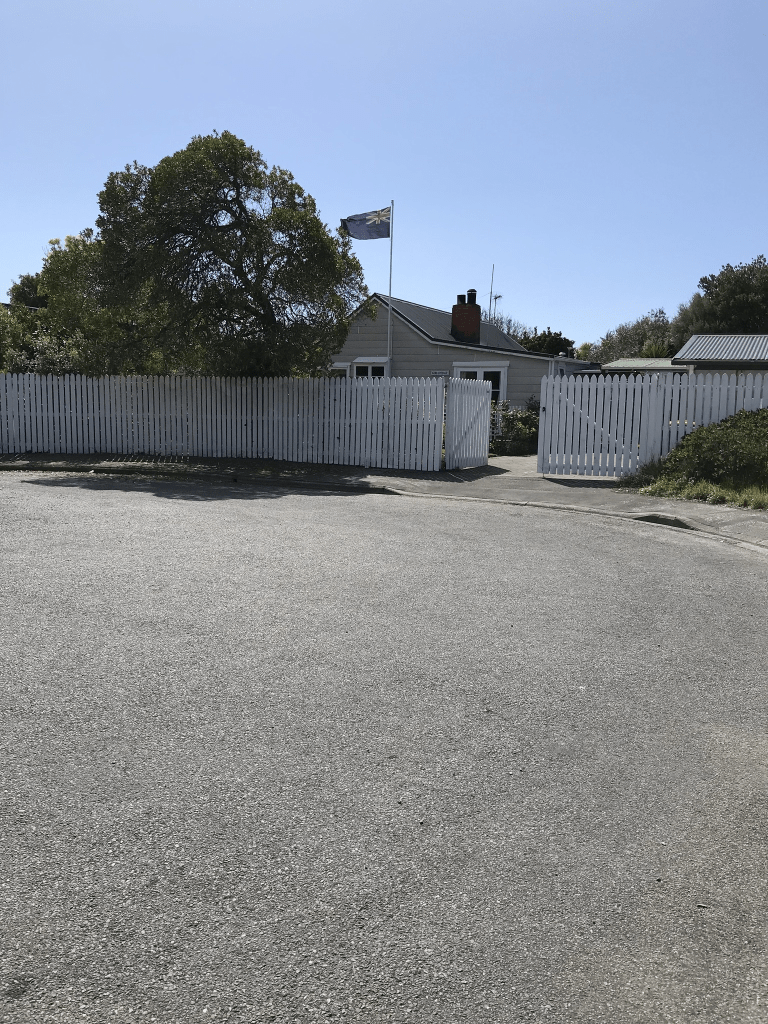
The houses are only on one side of the street as the school boundary is on the other side along with car parks. There are five houses here built in 1930s and 1940s and the sixth house built on a back section section in 1990. It is a tiny street that leads to the school entrance.
Royds St – Named after John Ingledew Royds (1870- 1949). Royds was managing director of Royds Bros & Kirk, produce merchants. Royds bought his land when land owned by Annie Townend of Mona Vale was auctioned in 1915. The street was formed after Royds sold his property, Royden, at 136 Straven Road to Ernest Edward Coombes (1900- 1968). The street was developed through what had been a horse paddock and tennis court. Formed in 1936. First appears in street directories in 1939 with Coombes listed as its only resident. [Given a plaque in 1961 because of its first place in the street and gardens competitions conducted by the Christchurch Beautifying Association.]
A reasonable of information from the library website and not a lot that I can add. Papers Past had ads for the new subdivsion in 1936. I just couldn’t find out where John Royds is buried and I searched several websites. The ancestry website has two reasons for him selling his land. One reason was that he was short of money because of the depression and the other reason was that he was downsizing because of his age. Mostly older houses here dating from the 1930s but one house is dated 2020. At least two really ugly modern houses which really don’t fit in as this street has a couple of quirky features including a fountain in the middle of the road. The street leads to Daresbury Park. The street runs off Straven Rd fairly near the Fendalton Rd end.