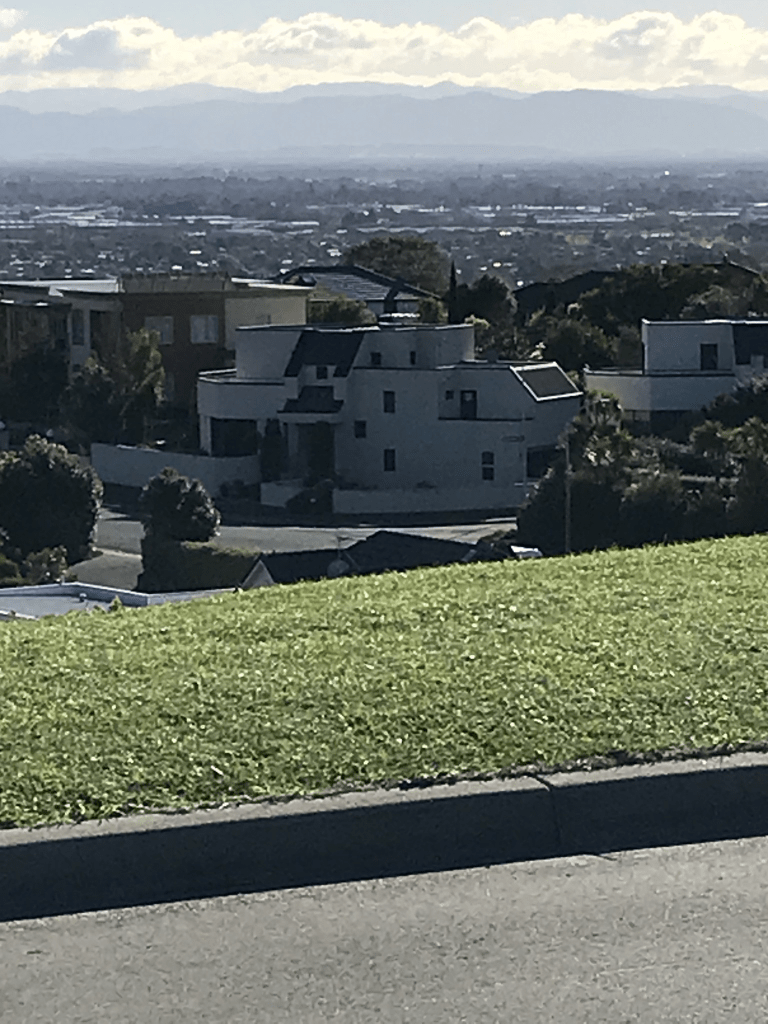
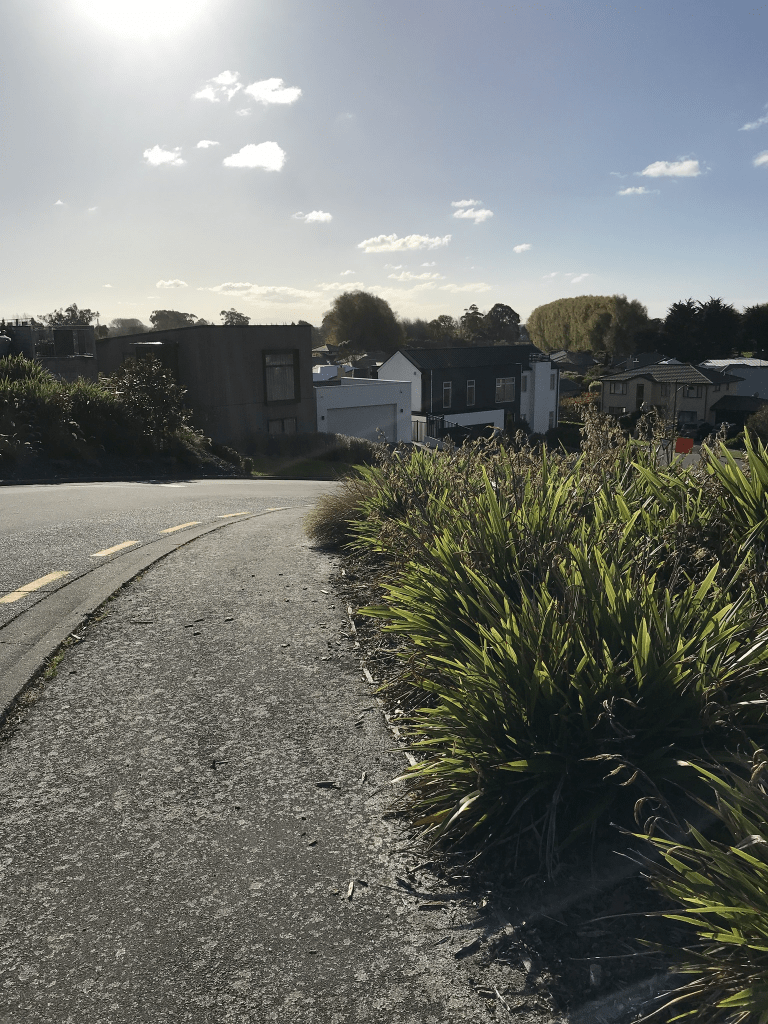
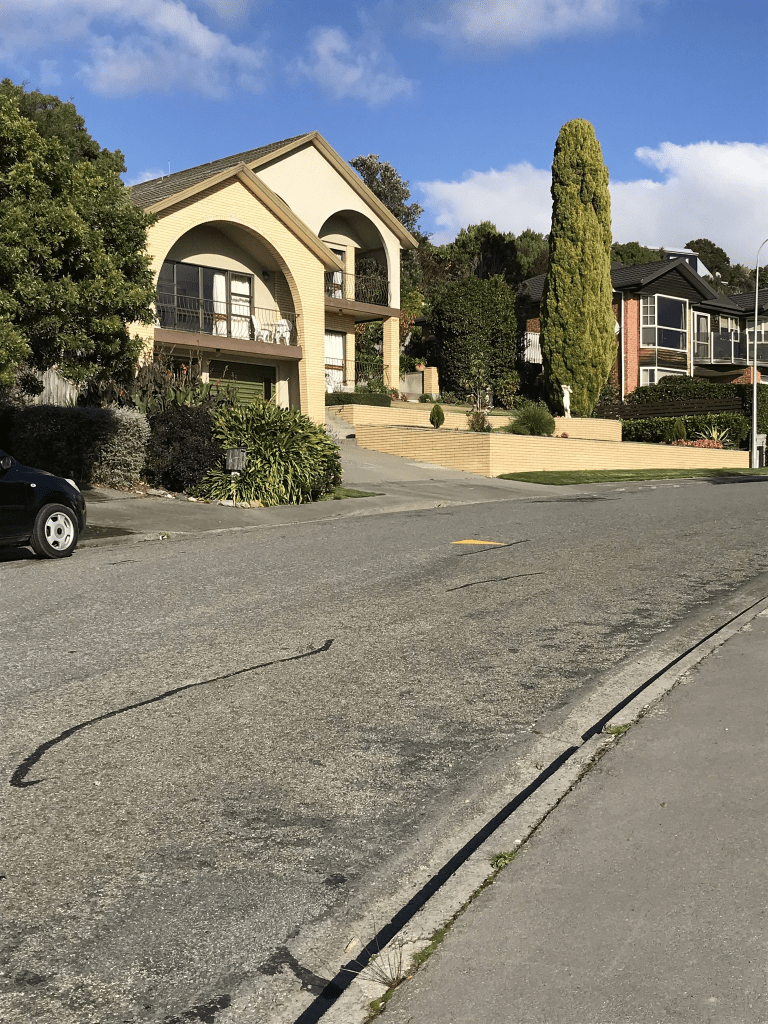
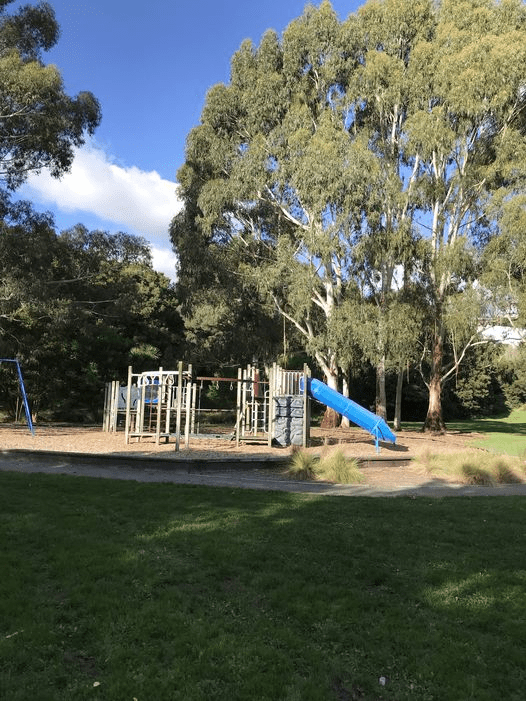
Cedars Street in the suburb of Hoon Hay, Christchurch

Cedars Street in Hoon Hay – Gee Street was incorporated into Cedars Street. Gee Street first appears in street directories in 1955. Cedars Street first appears in 1957. The section running from

Mathers Road was named Cedars Street; the section running from Kevin Street was named Gee Street. Gee Street was incorporated into Cedars Street on 20 July 1970. Date of re-naming of Gee Street supplied in 2008 by Bob Pritchard, subdivisions officer, Christchurch City Council.

A reasonable amount of information from the library website. I checked Papers Past but couldn’t find a reason for the name of the street. Also didn’t find it as a surname of anyone in Christchurch. I also thought that it might have been the name of a house that was on the street and Cedar House was a common house name but didn’t find one in this area.

A few entries on Papers Past and in 1955 the new Hoon Hay Domain was accessible from Gee St. There was also a Gee St in New Brighton. Sections available in 1955. There were also sections available on Cedars St in 1955 and they were Crown land sections which is balloted. In 1969 the council resolved that the road reserve between 19 and 20 Cedars St is redundant and the land to be subdivided into two sections. A walkway to be formed between Cedars St and Downing St. Walkway is still there. There were sections available in 1971 and 1972 and then there were more sections available in 1983.

I looked at a map from 1958 and Gee St ran between Waters St and Kevin St. There was a reserve separating the two streets. The reserve was on only one side of the street and on the other side there was a large property. The house on this property dates from 1880 but I couldn’t find out any information about it. I suspect that the streets were gradually formed from this property.

The street is a mess at the moment as it is being dug up for new pipes to be laid. Most houses here were built in either 1950s or 1970s and they didn’t really stand out for me. What did stand out for me was the house from 1880 and it is lovely. There used to be a childcare business that was in a private home in this street just over 40 years ago. I used this childcare business for my older son whenever I had work. I did casual relief work for the Post Office.

Edited as I found the Gee family who lived in this area. William George Alfred Gee with his wife Bessie lived on Tankerville Rd. His son George Gee with his wife Winifred also lived on Tankerville Rd. His son William Ernest Loveday Gee who was married twice lived at 23 Hoon Hay Rd and was living at 3 Wyn St when he died.
Capri Lane in the suburb of Hoon Hay, Christchurch

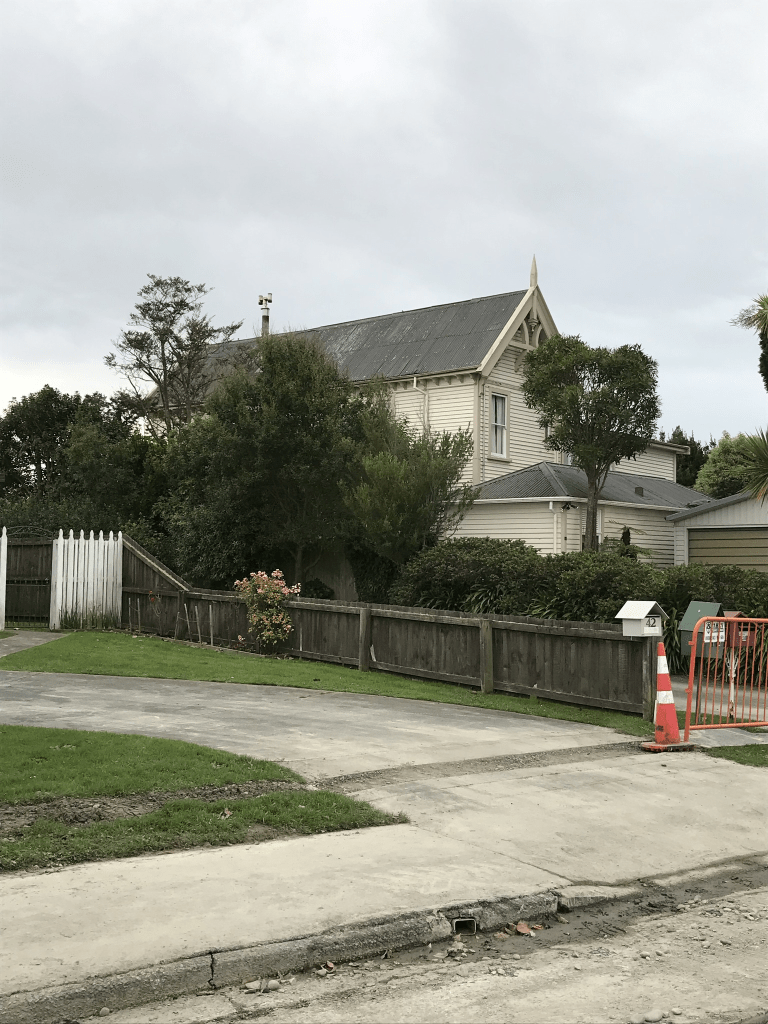
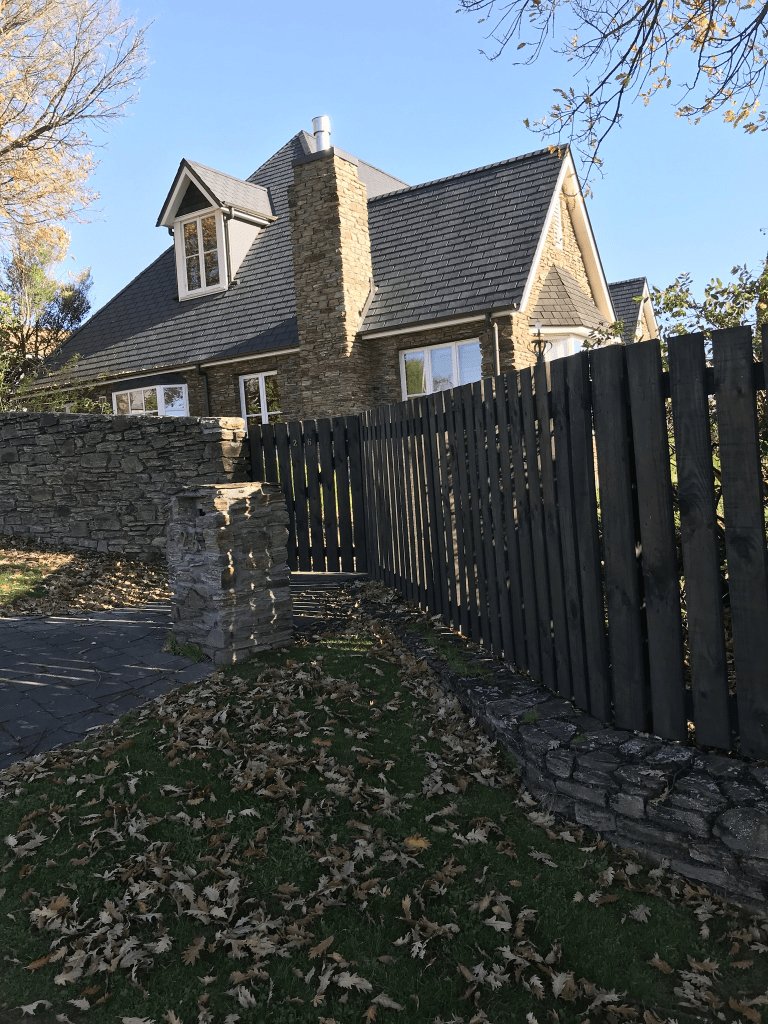
Capri Lane in Hoon Hay – nothing on library website yet the oldest house here is from 1950s plus there is a house from 1960s. The rest of the houses were mostly built in 1970s. Couldn’t find out how the street got it’s name.

Not much information on Papers Past. Sections were for sale in 1976 and it was described as an exclusive subdivision.

I actually walked past this street without realising that it was a street and had to go back to Hoon Hay Rd to walk it. It just looked like a driveway. There was a tiny footpath that went part way down the lane. I kept to the footpath so only walked part of it.

Bencard Place in the suburb of Hoon Hay, Christchurch

Bencard Place in Hoon Hay – Named after Christian Bencard and his wife. Norway Place was originally proposed as the name of the street in 1966. Bencard Place was proposed by the developer, John Taylor, in 1967, and it was officially named in 1968. Bencard was a Dane who married an English businesswoman and then lived at Gorgate Hall, East Dereham, near Norwich. During World War II, the Bencards entertained many servicemen and women at their home who were on leave, including John Taylor. He honoured the couple’s generosity by naming a street after them. Bencard Place first appears in street directories in 1970. Information on date of proposed name of Norway Place and naming of Bencard Place in letters sent to the City Librarian from the Town Clerk dated 13 December 1966 and 4 June 1968.

A reasonable amount of information from the library website and nothing that I can add about the name of the street. Papers Past had an article dated May 1972 when Mrs Bencard a widow visited New Zealand for the first time. She was thrilled that the street was named after her husband. The Bencards had a business relationship with a Mr Peryer and Mrs Bencard was staying with Mr and Mrs Peryer. The street name was approved in 1967 and street was previously named Norway Place. This was the only mention of Norway Place.

Looked like a pleasant street with nice houses but none stood out for me. Most houses were built in 1960s and 1970s with a few from 1980s and 1990s.

Westmorland

I have finished walking and writing up the suburb of Westmorland. In Papers Past I found an article about the the development dated 1982. The subdivision was described as a modern Cashmere and to be an exclusive subdivision. The developers Wayne and Bruce Francis purchased Happy Home Farm from their father in 1958 and decided to turn it into a housing estate. When this article was written Wayne Francis was the sole developer as he had bought his brother’s share of the company. It was apparently a childhood dream of Wayne to cover the hills with houses. Personally I think that this was a weird childhood dream. He planned on two shopping centres including a supermarket, a butcher, a drapery shop and hairdressers. He also planned a tavern but the residents objected to this. He obviously didn’t get any shopping centres here. A primary was planned for the suburb but that didn’t happen either. Wayne said that he had a lot of problems with red tape with the council and the Drainage Board. He had to underwrite the cost of the pumping station. In 1976 he was prosecuted for the discharge of silt into the Cashmere Stream. He also had flooding issues in the subdivision and was upset that people thought that the subdivision was unsafe. He also told the reporter that there had been funding issues and he had to borrow a large amount of money to finish the project. The reporter noted that he was still able to drive a very expensive car.

I researched the Francis family on the Ancestry website and I couldn’t find any connection to the Cumbria area of the UK. They had connections to Cornwall, Devon and Ireland. The original Francis came to New Zealand from Ireland in 1832 and settled in Otago. The various women who married into the family came from Devon and Cornwall.

Not all street names in the suburb are place names in Cumbria even through the library claims that they are from Cumbria.

The meaning of Westmorland is the district of the people living west of the moors.

Ravensdale Rise in the suburb of Westmorland, Christchurch

Ravensdale Rise in Westmorland – Named after Ravensdale Park, a village and civil parish in the Derbyshire Dales district of Derbyshire. Named to continue the theme in the subdivision of naming streets after places in historic Westmorland in England, since 1974 part of Cumbria. First appears in street directories in 1984.

A small amount of information from the library website and Ravensdale Park is nowhere near Cumbria. There is a Ravensdale in Ireland but nothing in Cumbria. The name was bugging me as I thought that the name was familiar and it was in connection with caves. I found Ravenstonedale in Cumbria and there are caves in that area.

Papers Past had lots of ads in 1980s for sections for sale. A few death notices. In 1981 there was a headline about the developer stepping up the fight to stop erosion. The developers for the suburb of Westmorland were the sons of James George Francis who owned Happy Home Farm. I thoroughly searched Ancestry website but couldn’t find any family connection to Cumbria.

Most houses here were built in the 1980s and 1990s but as you go further up the street the houses were built between 2013 to 2022. There was a mixture of nice houses and ugly houses.

Penruddock Rise in the suburb of Westmorland, Christchurch

Penruddock Rise in Westmorland – Named after Penruddock, a small village in the English county of Cumbria. Named to continue the theme in the subdivision of naming streets after places in historic Westmorland in England, since 1974 part of Cumbria. First appears in street directories in 1980.

A small amount of information from the library website and Penruddock means headland by the little ford. Most entries on Papers Past were ads for sections and houses in the 1980s. In 1976 the building of the pumping station was up for tender. In 1979 there were plans for a primary school to be built with the frontage to be on Penruddock Rise but this obviously didn’t happen. The developer had plans for shopping centres and a tavern. There were objections from residents about the tavern.

This is a long street that starts at Cashmere Rd where is is a reserve called Francis Reserve named after the developer’s family. There are nearly 200 houses on this street and they are very different in styles. There is one house from 1950s but you can’t see it from the road. Most houses between Cashmere Rd and Blencathra Place were built in the 1980s with a couple from 1970. Until about 2012 there were no houses beyond Blencathra Place. All the houses above Blencathra Place were built between 2014 and 2023 with houses still being built. Great views from the upper part of the street but most the houses are ugly here.

Rushden Rise in the suburb of Westmorland, Christchurch

Rushden Rise in Westmorland – Named after Rushden in Hertfordshire, England. Named to continue the theme in the subdivision of naming streets after places in historic Westmorland in England, since 1974 part of Cumbria. Named in 2005.

A small amount of information from the library website and Rushden is nowhere Cumbria. Whoever named the street is a bit challenged when it comes to geography. Rushden means valley where rushes grow.

Only 15 houses here and most were ugly. They were built between 2000 and 2022 with most built in 2010.

Pentonville Close in the suburb of Westmorland, Christchurch

Pentonville Close in Westmorland – nothing on library website and I couldn’t find out how the street got it’s name. Most the streets in this suburb are named after places in Cumbria but the only Pentonville that I could find was in the London area.

Most houses here were built in the 1990s and 2000s and there was a variety of styles. A pleasant street and at the end of the street there is a green space that leads to Cashmere Stream.

Woodside Common in the suburb of Westmorland, Christchurch

Woodside Common in Westmorland – nothing on library website yet most houses were built in the 1980s. There are several places in the UK with the name Woodside but none in Cumbria.

Most entries on Papers Past were ads for sections and houses. A pleasant looking street with lovely houses. There is an entrance to Sedgwick Reserve from this street plus a walkway to Petworth Place. What put me off was a really horrible chemical type of smell by the corner of Woodside Common and Clovelly Place.

Sedgwick Way in the suburb of Westmorland, Christchurch

Sedgwick Way in Westmorland – Named after Sedgwick, a village and civil parish in Cumbria, England. Named to continue the theme in the subdivision of naming streets after places in historic Westmorland in England, since 1974 part of Cumbria. First appears in street directories in 1980.

A small amount of information from the library website. Sedgwick means dwelling of farm of a man called Sieg.

A few entries on Papers Past and there were sections for sale in 1983 and 1984. In 1982 a W J Francis applied for planning consent on this street. He was the son of James George Francis who farmed Happy Home Farm.

It is a pleasant street with a nice reserve that has a playground. Most houses were built in 1980s with a few built in 1990s.