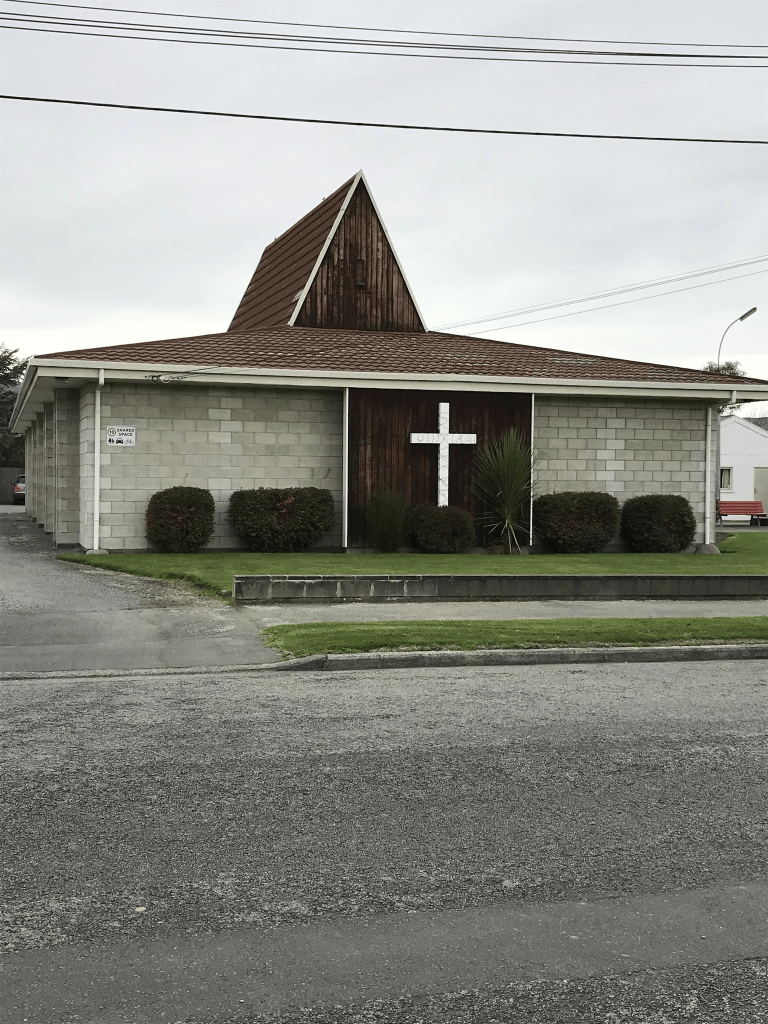
Roberta Drive in the suburb of Somerfield, Christchurch

Roberta Drive in Somerfield – In a subdivision developed by Maurice F. Carter Ltd. The name has no particular significance. It just “sounded nice”. Named in 1960. Information about naming supplied in 2009 by Maurice Carter (d. 2011) in an interview with Margaret Harper.

A small amount of information from the library website and nothing that I can add the name of the street.

Most entries on Papers Past seemed to be about best street competitions. There were sections available in 1962, 1962 and 1968. It was a new street in 1960 in the new subdivision off Lyttelton St. There were flooding problems in 1968 and 1974. In 1989 there were trees to be removed because of root damage to the footpaths.

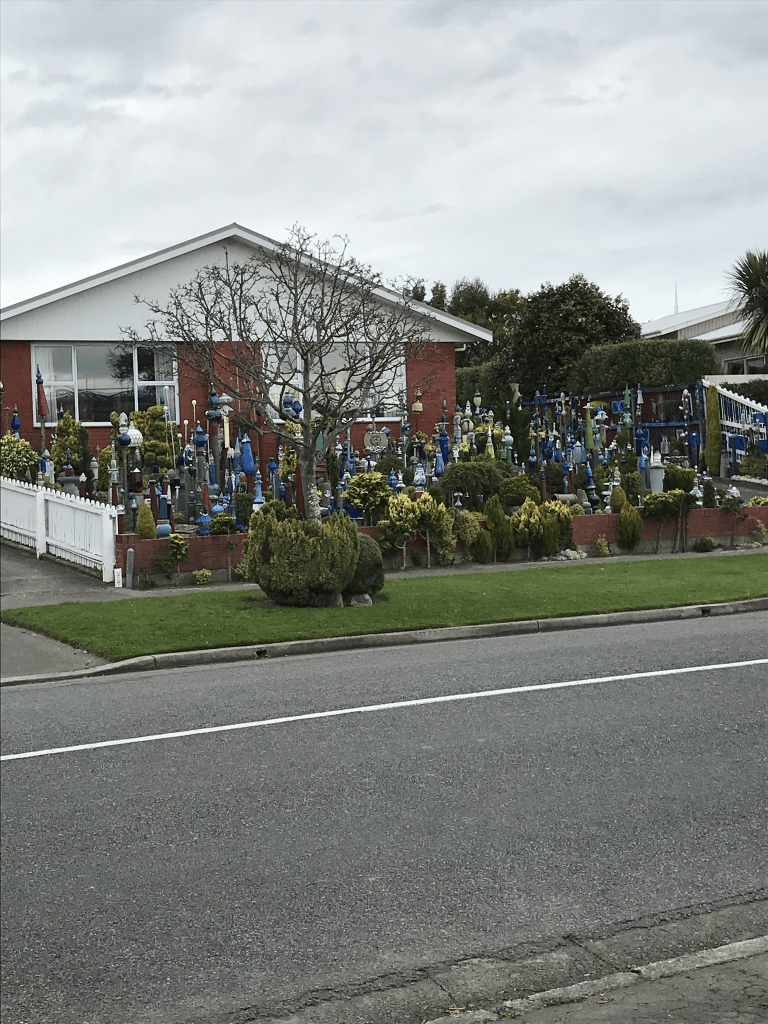
This is a pleasant street and most houses were built in the 1960s. None of the houses were were particularly outstanding in styles but they were set in nice gardens. There was one very interesting garden with the most amazing garden decorations.
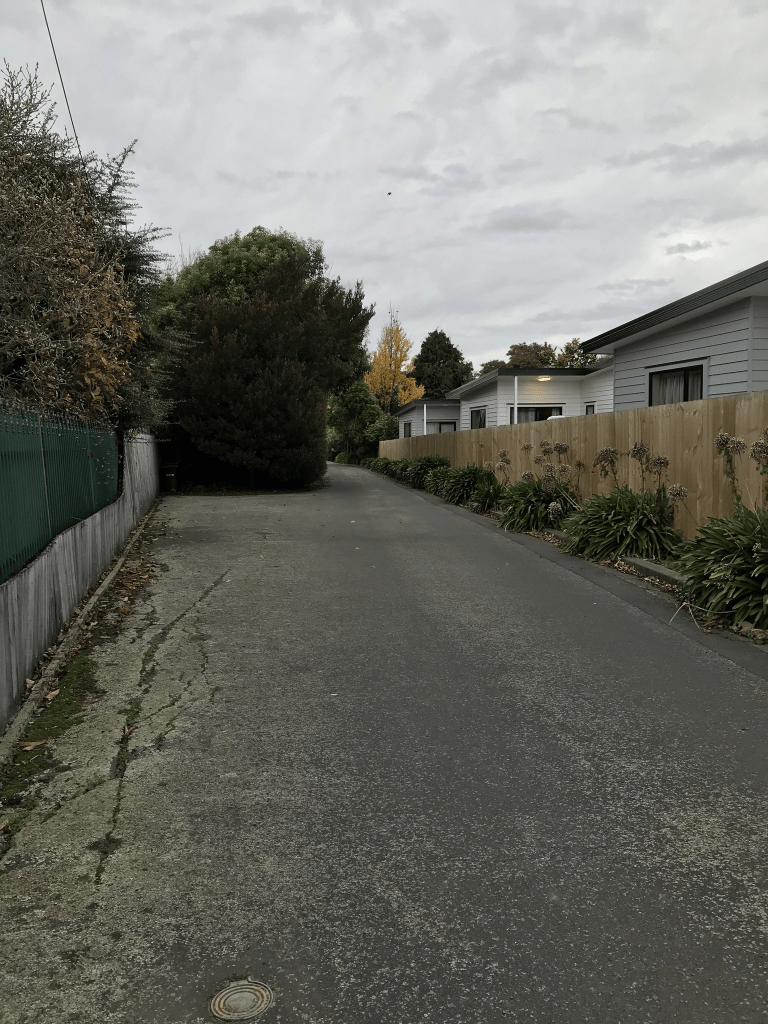
Nina Lane in the suburb of Somerfield, Christchurch

Nina Lane in Somerfield – Named after the Nina, one of the sailing ships in Christopher Columbus’ voyage to America in 1492. Developed at 86 Conway Street. Named in 1999.

A small amount of information from the library website and nothing that I can add about the name of the street.

There are only 5 houses here built in 1990. This was a narrow lane with no footpath and I didn’t walk it.

Merle Place in the suburb of Somerfield, Christchurch

Merle Place in Somerfield – Named after Pauline Merle Carter (1915- 2008) Merle Carter was the wife of Maurice Carter, builder and developer. He developed and named this street. Named in 1960.Information supplied in 2008 by Maurice Carter (d. 2011) in an interview with Margaret Harper.

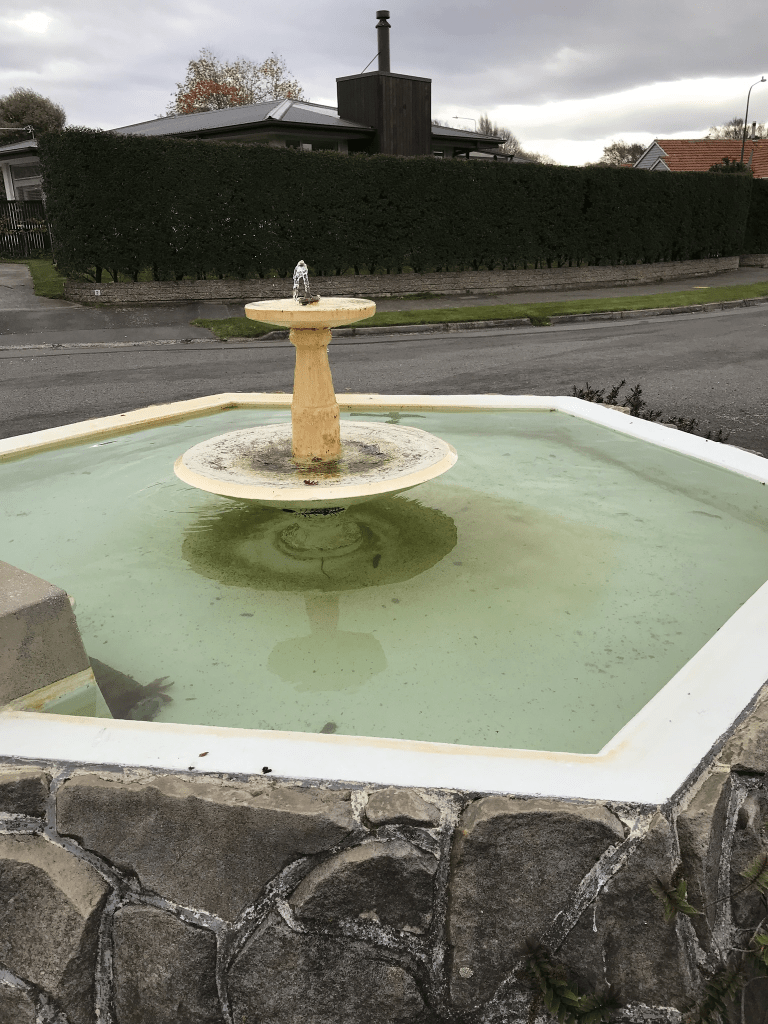
A small amount of information on the library website and nothing that I can add about the name of the street. Not a huge amount of entries on Papers Past. In 1960 it is described as a new street in a subdivision off Lyttelton St. It was frequently in the best street and garden awards in the 1970s. In 1962 the residents requested that they build a fountain in the street and the committee from Council and Drainage Board raised objections. The residents eventually were given approval for the fountain and it is built over the main sewer but the sewer is still accessible. Any issues with the fountain to be the responsibility of the residents.

The 6 houses here were built in the 1960s and the houses didn’t really stand out for me but I did only have eyes for the fountain. I did like the fountain plus the street had a footpath on both sides of the street. I love it when I come across streets like this.

Leistrella Road in the suburb of Hoon Hay, Christchurch

Leistrella Road in Hoon Hay – First appears in street directories in 1951.

A tiny amount of information from the library website and I couldn’t find out how the street got it’s name.

Papers Past had ads in 1962 and 1966 for the sale of sections. There were a few birth and death notices. The sewers were connected in 1961.

Most houses here were built in the 1950s and then in the 1990s. These houses were in the original part of the street. In the new part of the street the houses are still being built.

I walked the original part of the street which runs off Hoon Hay Rd and you come to a gate saying private property. There is a house beyond these gates. The houses here are typical wooden houses from the 1950s and the 1990s houses are made from brick. There was one house with a nice garden but the lawn was artificial grass.

When I checked google maps before writing up the street I realised that the street is being extended so I had to go back and walk the new part of the street. The new part of the street runs off Cashmere Rd and houses are still being built here but some look like they are occupied. There is what looks like a reserve at the Cashmere Rd end of this street. At this stage the two parts of the street don’t meet up and are blocked off.

Muirson Avenue in the suburb of Hoon Hay, Christchurch

Muirson Ave in Hoon Hay – Named after Reginald Gordon Vivian Muirson (1913-1990). Muirson was a builder of “spec” houses in the 1940s, 1950s and 1960s. First appears in street directories in 1952. Muirson’s dates supplied in 2008 by Marie Shears, formerly Woolley.

A small amount of information from the library website and nothing that I can add about the name of the street. A small number of entries on Papers Past. There were sections available in 1954. In 1953 there was a fire in the rubbish dump that was owned by the Heathcote County Council.

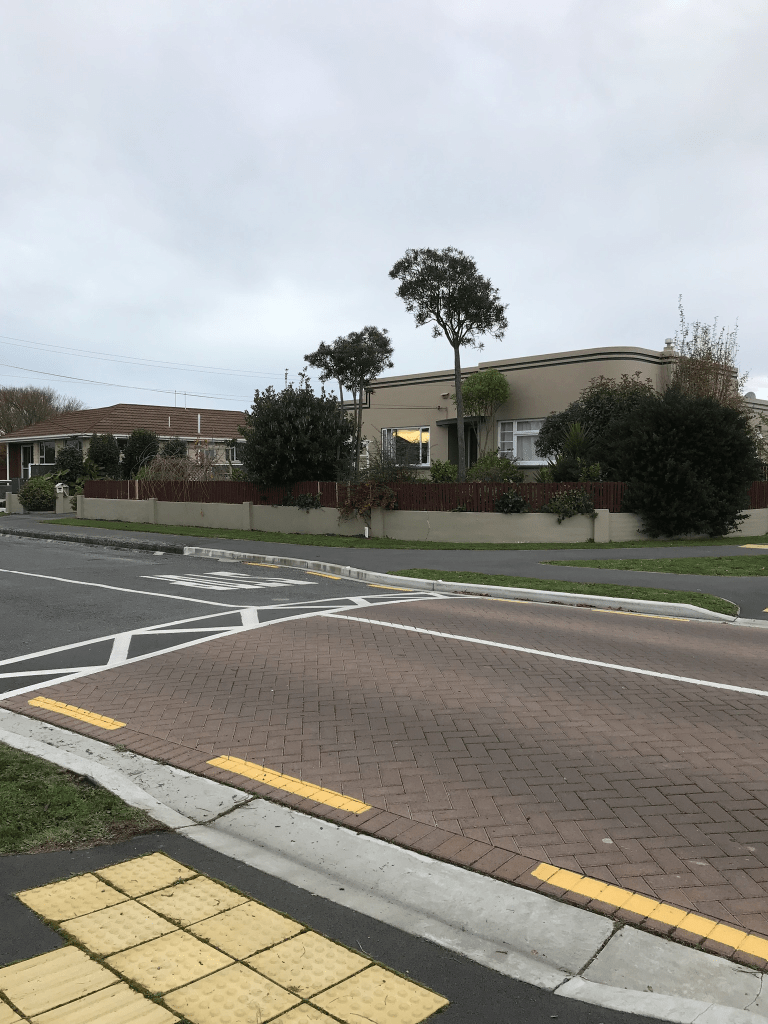
Only 13 houses here and most were built in the 1950s and the oldest house was the art deco house built in the 1940s.

Maryhill Avenue in the suburb of Hoon Hay, Christchurch

Maryhill Ave in Hoon Hay – First appears in street directories in 1953.

A tiny amount of information from the library website and I couldn’t find out the reason for name. It was either someone’s name or a place name in Scotland.

Several entries in Papers Past and it was a new subdivision in 1953. In 1955 there was Crown Land offered and returned servicemen had first option in the ballots. In 1955 the street was extended to Sparks Rd. There were sections available between 1970 and 1972. Lots of death notices.

Most houses were built in 1950s and another big lot built in 1990s. I didn’t really like this street and it wasn’t until I had walked the full length that I realised why. Many of the wooden 1950s houses had been roughcasted. When I was looking at buying a house about 20 years ago my late brother said never touch such houses as you don’t know what the cladding is hiding.

Rima Lane in the suburb of Hoon Hay, Christchurch

Rima Lane in Hoon Hay – nothing on library website and the houses were built in the 1980s. I suspect that the street was named after a person but couldn’t find any information about it.

There were only 4 entries on Papers Past dated 1989 and they were ads for houses.

It was a tiny narrow private lane and I didn’t walk it.

Wyn Street in the suburb of Hoon Hay, Christchurch

Wyn St in Hoon Hay – First appears in street directories in 1952.
A tiny amount of information from the library website and I couldn’t find out a reason for the name of the street but suspect that it was a surname.
A lot of information on Papers Past and there was an article in 1957 about the street being metalled plus footpath being formed. The subdivision was formed in 1952 and there were houses built there shortly afterwards. The residents weren’t happy about how long it took to form the road properly. In 1954 there were state sections available for ballot and as usual for these ballots returned servicemen had first preference. There were ads for sections in 1952 and 1956. There was a large number of death notices and I recognised at least two surnames connected to people I worked with in the Post Office. Most houses were built in the 1950s with a few in later decades.
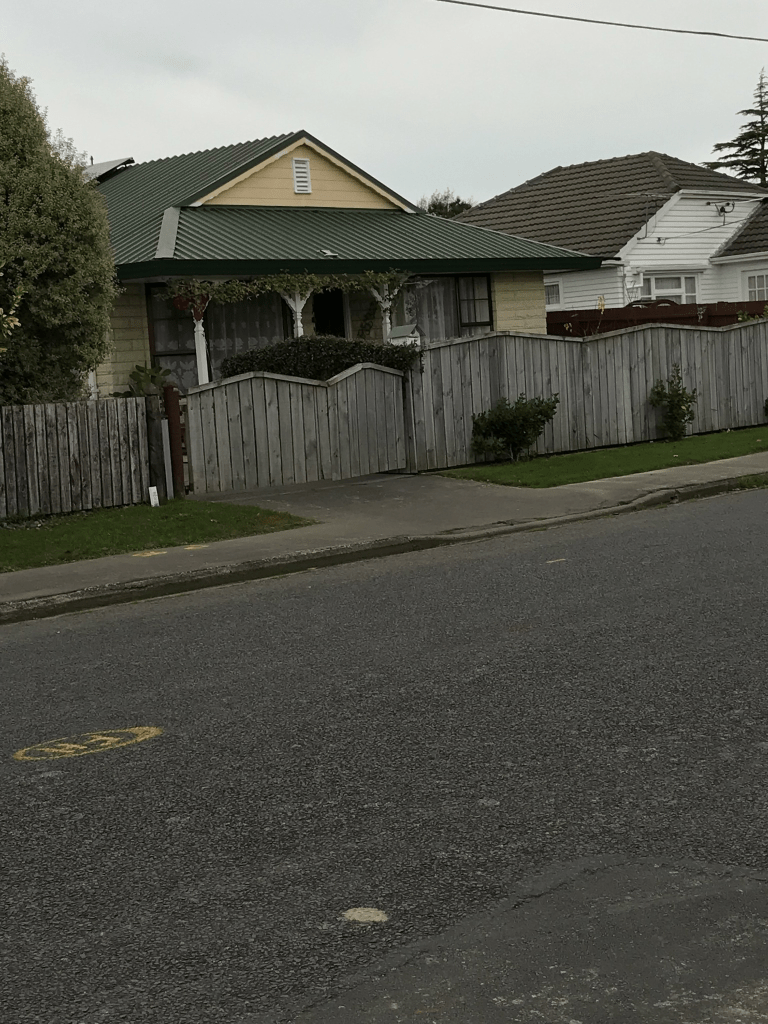
The footpath was a bit rough to walk on as pipes had been laid recently. Most houses were typical 1950s style with a couple of exceptions. Two houses stood out and one from 1980s was built in an older worker’s cottage style. The other house that stood out was built in the 1970s and had a weird log cabin cladding.

Downing Street in the suburb of Hoon Hay, Christchurch

Downing Street in Hoon Hay – First appears in street directories in 1951.

A tiny amount of information from the library website and I couldn’t find out how the street got it’s name but suspect that it is a person’s surname.

Because of a certain famous street in the UK there were thousands of entries on Papers Past. I limited my search to Downing Street, Hoon Hay so possibly missed some entries. There were sections available in 1950s and a new footpath was formed in 1957. Lots of entries about the Presbyterian Church. The church was mentioned in 1959 as meeting being held in the church hall. The official opening for the church was in 1962. They then applied for consent to erect a church in 1971.

Most houses here were built in 1950s and then several houses built in the 1990s. The later houses were mostly built at the back of existing houses. This was very common in the 1990s.

Nothing outstanding about the street or the houses and the church is still there. The houses from 1950s are mostly wooden houses and the ones from 1990s are made from brick.