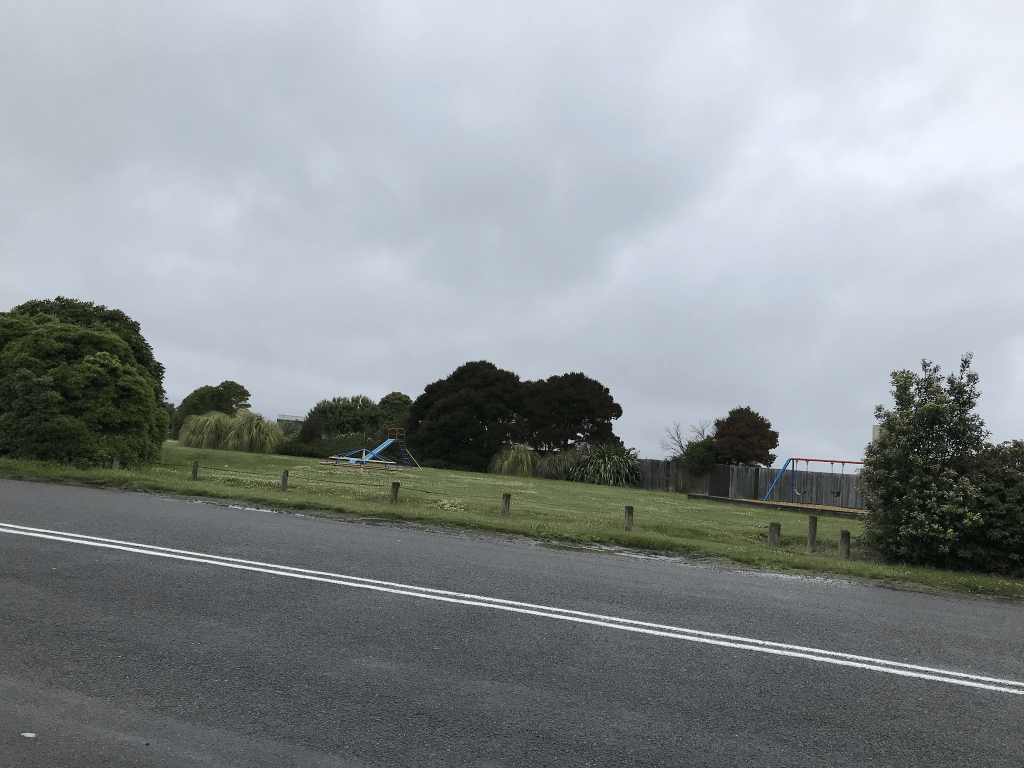
Hartley Avenue in the suburb of Strowan, Christchurch

Hartley Ave in Strowan – Formerly St Andrews Terrace. Named because of its proximity to St Andrew’s College. Re-named Hartley Avenue. Named after Leonard Brannon Hart (1874-1960). St Andrews Terrace is first mentioned in The Press in 1924 when land for sale there is advertised. First appears in street directories in 1927. Re-named Hartley Avenue in 1938 because of confusion with St Andrews Square. Hart lived at 2 Hawthorne Street in Papanui and in 1936 he was a branch manager for Abels Ltd. His property was subdivided to form the street plus its extension. A Papanui war memorial street.

A reasonable amount of information from the library website. I actually walked this street back in October 2021 so I am a little bit behind in writing up some of the streets that I have walked. Huge number of entries in Papers Past for garden competitions. The residents were also frequently mentioned in the social pages. Also lots of birth and death notices. In 1924 the street is described as a new street with 14 sections for and that the land is owned by E T Forbes. In 1926 the street name was to be changed to Walnut Ave but that obviously didn’t happen as the name was changed to Hartley Ave. Edited to say that there seem to have been two St Andrew Terraces and I had already walked and written up Walnut Ave and the name change to Walnut Ave refers to the other St Andrews Terrace. Confused yet.

Apparently Mr Hart approved of the name change and that it was his property that was subdivided.

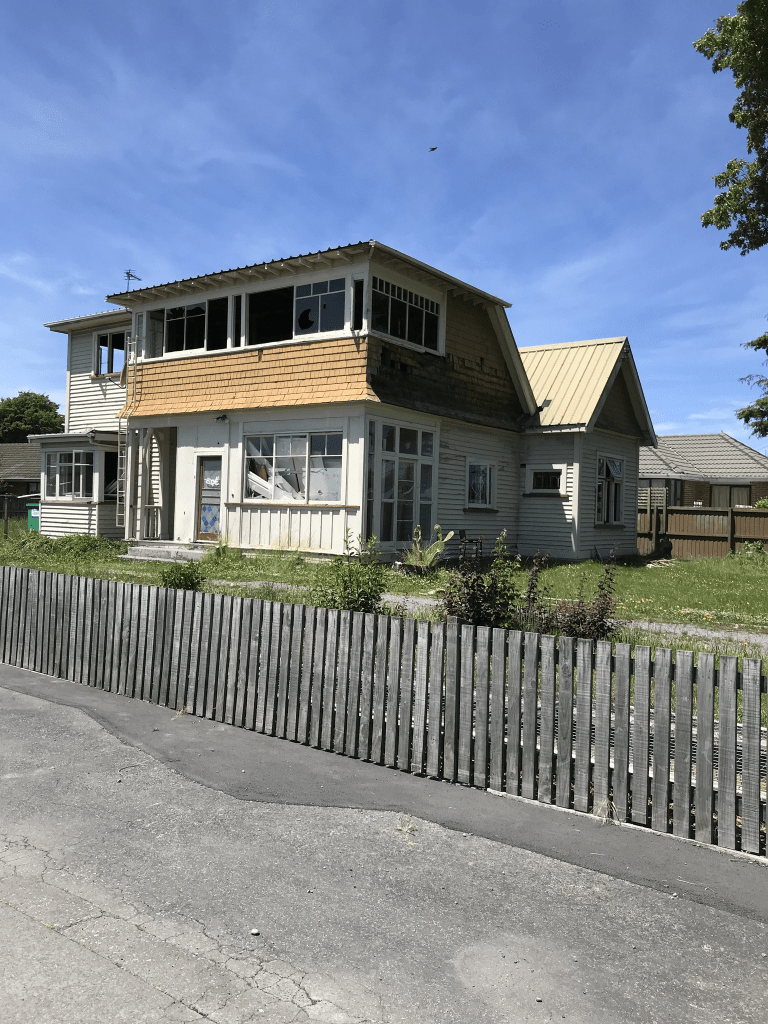
Between 1959 and 1961 the trees that were planted in the street were mentioned. The Cape Tulip trees were planted in 1936 but the residents put forward a petition in 1959 to have the trees removed. Reason for the removal was the damage to the footpaths and residents properties. Most of the houses in this street were built in the 1920s and 1930s and most were really lovely. Some lovely gardens as well. Would love to have managed some photos. The house from 1910 is looking very sad and I wouldn’t be surprised if it is eventually demolished. The modern houses built from 2018 onwards are really ugly and I will use my favourite description of toilet block style for them. It was mostly a lovely street even if spoilt by the modern houses but well beyond my budget.

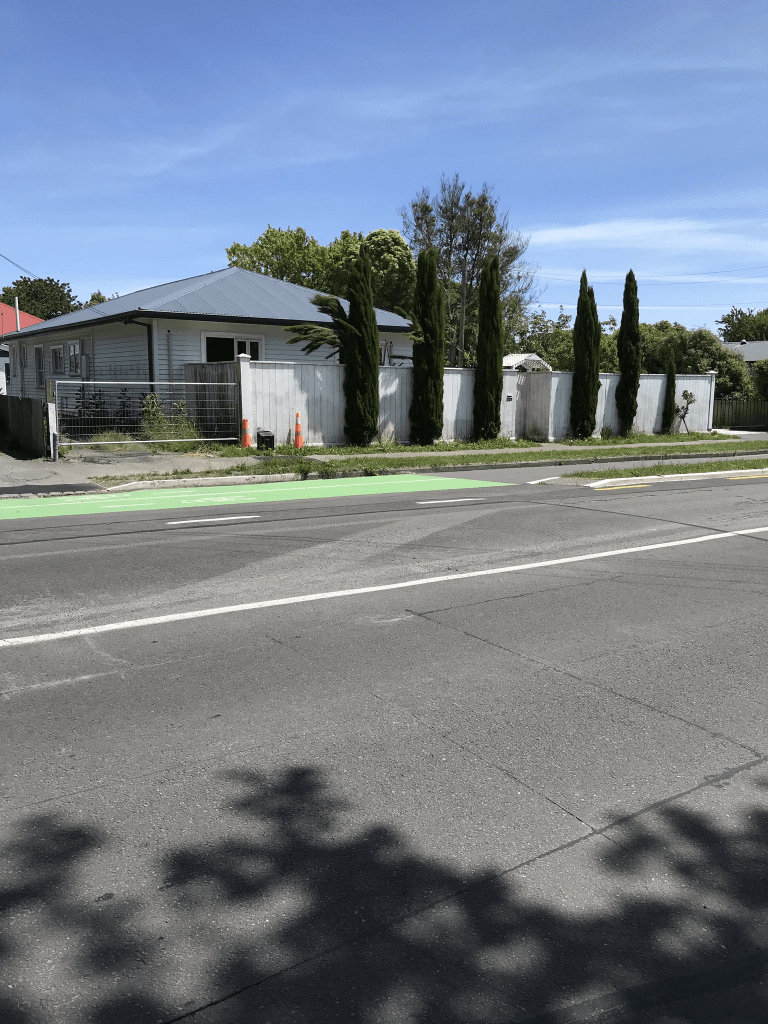
Middleton Road in the suburb of Upper Riccarton, Christchurch

Middleton Road in Upper Riccarton – Bowens Road was incorporated into Middleton Road. Named after Middleton Grange, Bowen’s home there. Bowens Road was named after Charles Christopher Bowen (1830- 1917). Middleton Road is first mentioned in the Star in1869 when its formation was discussed. First appears in street directories in 1904, running off Bowens Road to McDowells Road (later Wharenui Road). [The road followed a different direction in 1905 as it was then intersected by Hansons Lane.] Bowen was an administrator, politician, poet, magistrate and educationalist. Bowen’s Road is first mentioned in The Press in 1876. Bowen is a resident of the street in 1903, the year it first appears in street directories By 1905 the two streets are amalgamated becoming just Middleton Road.

A reasonable amount of information from the library website. I searched online early maps of Christchurch but none showed this area. Many entries in Papers Past were death notices. Drainage issues were a problem in the 1870s and 1880s but this was the same for most of Christchurch. In 1889 there were complaints about the state of ditches in the street. Between 1896 and 1909 there was frequent talk about road widening. I was amused to see an article in 1915 about there being houses on this street that had electric light installed. In 1918 there was a complaint about a dangerous willow tree on the corner of Middleton Rd and Bowen’s Lane. There were at least two orchards on this street with one belonging to Mr Mullin and the other belonging to Charles Harrow. Sadly in 1913 Charles Harrow accidently drowned on his property. In 1950 the Middleton Grange Homestead that had belonged to Sir Charles Bowen was for sale. The original cob cottage was built in 1858 but had been extended over the years. His land covered an area from Blenheim Rd to Riccarton Rd but had been gradually sold over the years. I believe that it is possible this building is still standing and is now on the grounds of Middleton Grange School. I might need to go back to this area and see if I can sneak a look at it. It was mentioned that William Lovell-Smith owned a big section on the corner of Riccarton Rd and Middleton Road. This would have been opposite the land owned by Sir Charles Bowen. William Lovell-Smith called his house Midway and it is still standing. High fences hide this house. Kate Sheppard lived in this house with William Lovell-Smith and his wife Jennie. After Jennie Lovell-Smith died William went on to marry Kate Sheppard.

Houses on this street cover every decade from 1910 onwards with most built in 1940s, 1950s and 1970s. There are still several older houses on the street but it is impossible to see them from the road as they are now on back sections. There is an entrance to Middleton Park from this street and yes I was geocaching here. Further on towards Blenheim Rd there is Elms Court Village which is a retirement village. There is a cycleway covering much of the street and I believe that this is fairly new.

Field Terrace in the suburb of Upper Riccarton, Christchurch

Field Terrace in Upper Riccarton – Field Street and Spring Street both appear first in street directories in 1921. The two streets were amalgamated and re-named Field Terrace in June 1948.

A small amount of information from the library website. There was possibly a market garden here which possibly explains Field Street and highly likely that there was a spring in Spring Street.

Papers Past had lots of death notices under all the street names. Field St had sections for sale in 1919. In the 1930s and 1940s there were several ads for fruit pickers wanted. I walked this street a few weeks ago and managed to walk it again last night to get back to my car. Most houses here are brick ones from 1980s but there is at least one house from every decade. What surprised me was how many houses from 1920s and 1910s. There are still a couple of lovely 1920s wooden villas but the rest have been altered so that they are no longer recognisable as older houses. One huge house from 1910 is looking very sad and I expect that it will eventually be demolished.

Acacia Avenue in the suburb of Upper Riccarton, Christchurch

Acacia Avenue in Upper Riccarton and it isn’t on library website yet most houses here were built in 1950s. Most entries on Papers Past were death notices. In 1953 there was a fire on a vacant section and a shed fire in 1955. Sewer connections were done in 1954. In December 1963 there was an open day for the new school Middleton Grange where a memorial stone was laid. In the 1970s all the ads were for a Bible College. Middleton Grange School is still there. There doesn’t seem to be a Bible College any longer but there is something called Redemption Church. Between the church and the school being on this street parking and traffic is horrible. I would hate to live on this street. I thought that I had found an old worker’s cottage on this street but when looking through street view it has only been on this street since about 2012.

Acacia is a tree and if you check out wikipedia the biologists are arguing about which trees belong to this genus. I was also amused when googling Acacia Avenue to find an entry which claims Acacia Avenue is a cliche in British culture to describe an unexceptional middle class suburban street.

Haslett Place in the suburb of Upper Riccarton, Christchurch

Haslett Place in Upper Riccarton and it isn’t on library website which is surprising as most houses were built in the 1950s and 1960s.

In 1958 sections were offered by ballot with preference given to returned servicemen. The sections were offered by Land and Survey Dept. By November 1958 houses were available and being sold by Jones for Homes. The houses were described as brick bungalows and the majority of houses on this street are still brick houses. One person called G Martin who lived on this street had lots of ads for hiring out an angledozer. I did google angledozer and it sounds like it was just a bulldozer. I suspect that the street was named after a person but couldn’t find any information to confirm this. Several people with this surname but most had a Rakaia or Ashburton link.

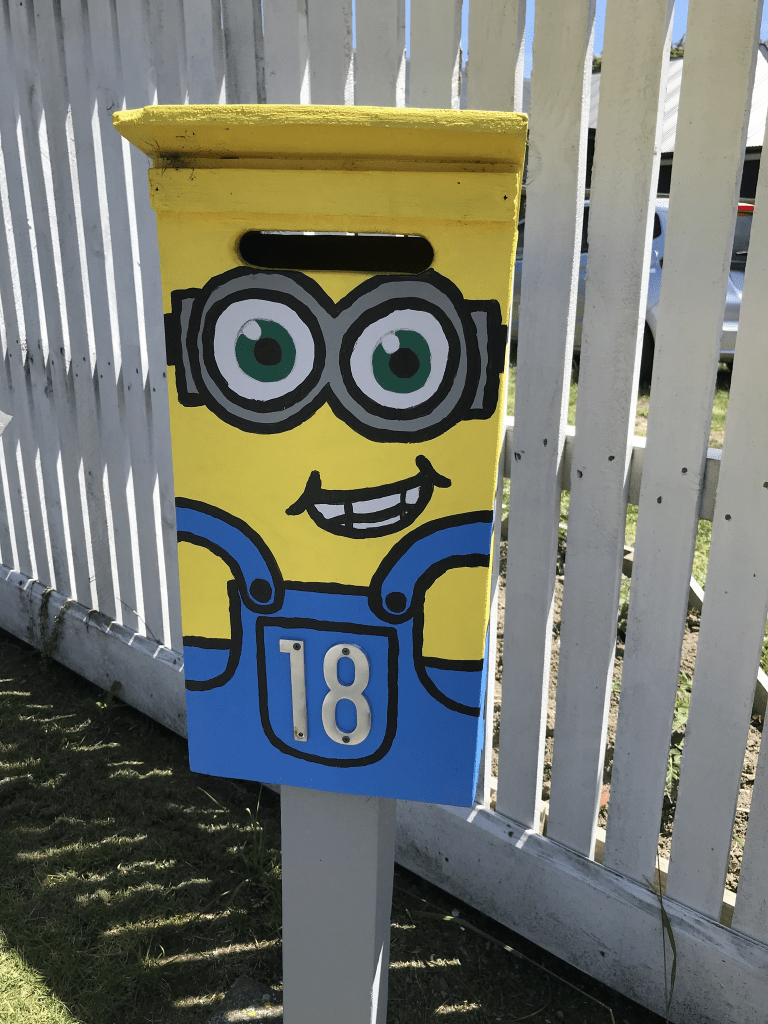
I walked this street a few weeks ago and it was a very ordinary looking street but there was a letterbox that I liked.

Canterbury Street in the suburb of Hornby, Christchurch

Canterbury Street in Hornby – Named after Canterbury itself. First appears in street directories in 1960. Hornby streets are not listed separately until 1960.

A small amount of information from the library website. This street looks like it has always been a street with businesses on it. Most entries on Papers Past are ads except for a few entries that mentioned grass fires started by machinery at Fletcher Construction Ltd. The other business used to be Carbonic Ice. The main business here now is Ravensdown and they have an entrance on this street. I suspect that the main reason for this street was the close proximity to Hornby Railway Station. The railway station is long gone but I believe that you can see the remains from the end of this street. I will take my friend’s word for this as he is the expert on Christchurch railway stations. I have walked this street twice and the second time was on a Sunday night a few weeks ago and this time I found the geocache. A huge amount of rubbish dumped at the dead end part of the road.

Lochee Road in the suburb of Upper Riccarton, Christchurch

Lochee Road in Upper Riccarton- Named by Joseph Irvine Colligan (1910-1965). Colligan was a hairdresser and chairman of the Waimairi County Council 1960-1965. He was born in Lochee Road in Dundee, Scotland. First appears in street directories in 1964. Information supplied in 2004 by Aileen Colligan (d. 2010) in an interview with Margaret Harper.

A small amount of information from the library website. Papers Past had a few death notices. In 1964 and 1965 there were sections for sale. Several articles about the Albion Rugby Club as in 1969 and 1970 they wanted to extend their club rooms plus purchase a section so that they could increase their car parking. This was rejected by the residents of the street. Most of the houses here were built in the 1960s and are typical 1960s brick houses. None stood out for me but there were a few nice gardens. This street borders Middleton Park. Between Middleton Park and Wharenui Rd there is a new cycleway and the road has been narrowed so much that I thought at first that it was one way. The footpath was a bit tricky in some places for walking because of tree roots damaging the footpath. I actually like tree lined streets but they can be a problem.

Golden Elm Lane in the suburb of Upper Riccarton, Christchurch

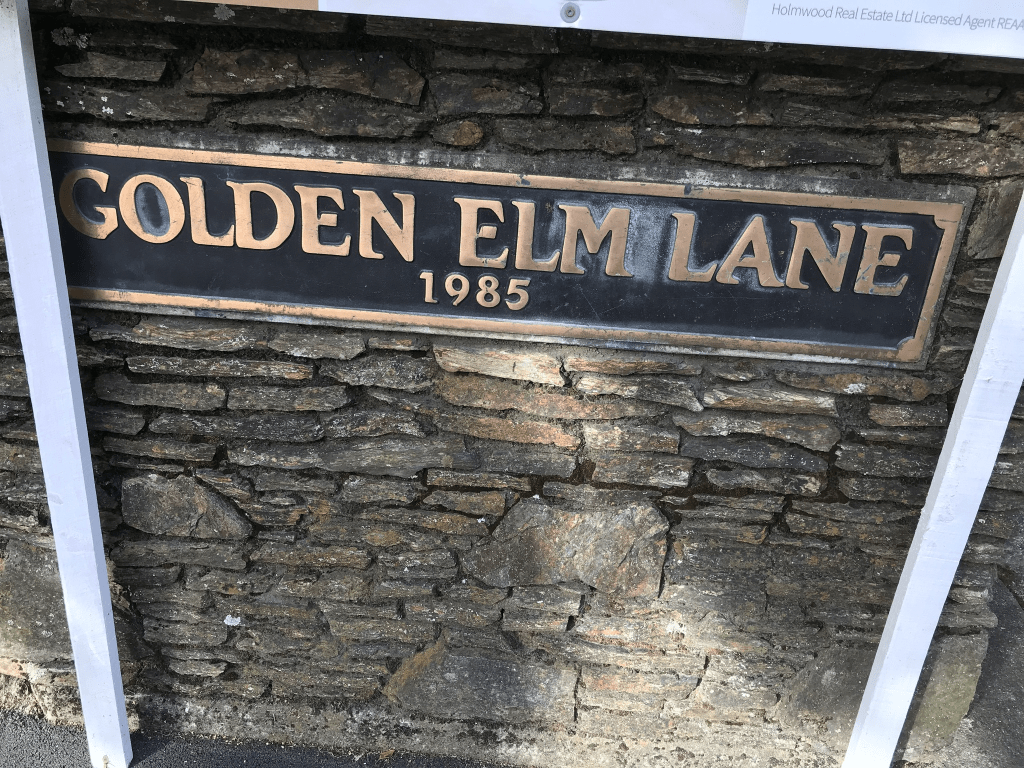
Golden Elm Lane in Upper Riccarton and nothing on the library website. There are only 6 houses here and 4 were built in 1980s and the other two were built in 1990s. It was a private lane and I didn’t actually walk it. There wasn’t a footpath and it just looked like a driveway to a couple of houses. There is a house for sale here but the houses here are seriously well beyond my budget. The lane was developed at 31 Lochee Road. It looks like there used to be a luxury accommodation place here but their website has been closed.

Vickerys Road in the suburb of Wigram, Christchurch

Vickerys Road in Wigram – formerly Vickery’s Road. Named after John Vickery (1815?- 1893). Vickery emigrated, under engagement to John Shand, on the Isabella Hercus in 1851. He became a land owner and farmer at Riccarton and Sockburn. He died at his property, Hendley Farm, Upper Riccarton. Tenders were invited by the Spreydon Road Boad for the formation of Vickery’s Road in 1875. Information supplied in 2008 by a descendant, Joan Parke of Sydenham, in an interview with Richard Greenaway.

A reasonable of information from the library website. Considering how old this street is I was surprised at how little information there was on Papers Past. In 1887 there was a complaint about a stagnant water hole in the street. In 1896 a drain was cut in the road. Fast forward to 1961 and this street was flooded along with nearby streets. There was an interesting letter to the editor from J M Smalley who said that he had lived in the area for 74 years. He blamed the flooding on the new bridge and that the engineers had ignored the two old natural water courses in the area when they built the bridge. The street is frequently mentioned in connection with Lady Wigram races as part of the street is closed off during the races. In 1976 a new factory owned by J G Rutherford was opened by Robert Muldoon.

I got slightly sidetracked when researching this street as John Vickery’s will was contested by one of his daughters. It got very messy. John had 10 children but by the time of his death only his wife and the two youngest sons were on speaking terms with him.

This street is half residential and half industrial plus it borders Wigram Airforce Base. The industrial part includes a crematorium. There isn’t a footpath in the industrial part of the street but I was able to walk on the grass verge. Lots of big trucks parked here. The houses in the residential part range from being built in 1910 through to 2020. There were several houses dating between 1910 and 1930 and a couple looked quite nice but most were looking rundown. Many of the houses were on huge sections. I would just like to state that I would not like to live on this street and it is to do with the occupants of one of the houses. It was one of the houses dating from 1910 and is probably in reasonable condition. It had high fences and security cameras. I was tempted to wave at the security cameras but that probably wouldn’t have been a good idea.

Symes Road in the suburb of Wigram, Christchurch

Symes Road in Wigram – First appears in street directories in 1957. A tiny amount of information from the library website. The street has been around a lot longer than the 1950s. In the 1920s it was known as Syme’s Rd but I couldn’t find out who Syme was and it was a fairly common surname. From 1930s onwards the apostrophe has disappeared. In 1930 there was a property for sale belonging to A E Collins. In 1944 a racehorse owner Bob Franks was selling his property. In 1960 the new overbridge is built and in 1961 there was flooding and this bridge was blamed. The residents said that the earthworks involved in building the bridge meant that water was directed towards their houses. The council and the drainage board blamed each other but in 1962 there was work to fix the problem.

This was a busy road when the Lady Wigram race was held as one of the entrances was on this street. It would have been noisy being so close to the track as I lived in Hoon Hay those days and I could hear the cars at my place. I was geocaching in the area today and it was only light rain at the time so went for a short walk. The street starts at Vickerys Rd and at this end is Vickerys Reserve and playground. On the same side of the street there are several businesses. The houses on the other side side of the street date from 1930 through to 2020. One of the older houses had a garage built right in front of it so that you couldn’t it properly but it looked almost like a 1920s wooden villa. Another house at the Haytons Rd end was a mess and looks like a hoarder lives there. Personally I wouldn’t like to live here but some of the houses looked OK.