Baladin Street in the suburb of Avondale, Christchurch

Baladin St in Avondale – First appears in street directories in 1988.

A tiny amount of information from the library website. I searched but couldn’t find a reason for the name. Was possibly a surname but ancestry website couldn’t give me anyone living in New Zealand with that name. I searched cemetery databases with no luck. Findagrave only had two people with that surname worldwide. I couldn’t find it as a place name anywhere. I am not even too sure which language it is from as I found it connected to Italian, French and Turkish. Various meanings were wandering entertainer theatical dancer, jester, buffoon and clown.

Only 16 houses houses here and most were built in 1990s and houses are mostly on only side of the street as the rest of the street is in the red zone. One house was raised above the street and the rest of the houses and it looked slightly odd. Checked street view and it is a rebuild and the original house wasn’t raised.

Culver Place in the suburb of Avondale Red Zone, Christchurch

Culver Place in Avondale red zone – Named after Culver Cliff or Culver Down on the Isle of Wight. In a subdivision between the Avon River, west of the Bower Bridge, and the northern end of the Avondale Golf Course of a 50 acre farm formerly belonging to Stewart Clendinning Hampton (1908- 1993). All the streets are named after places on the Isle of Wight. Developed from 1969 by Merrit-Beazley Homes Ltd. Named on 16 June 1975.

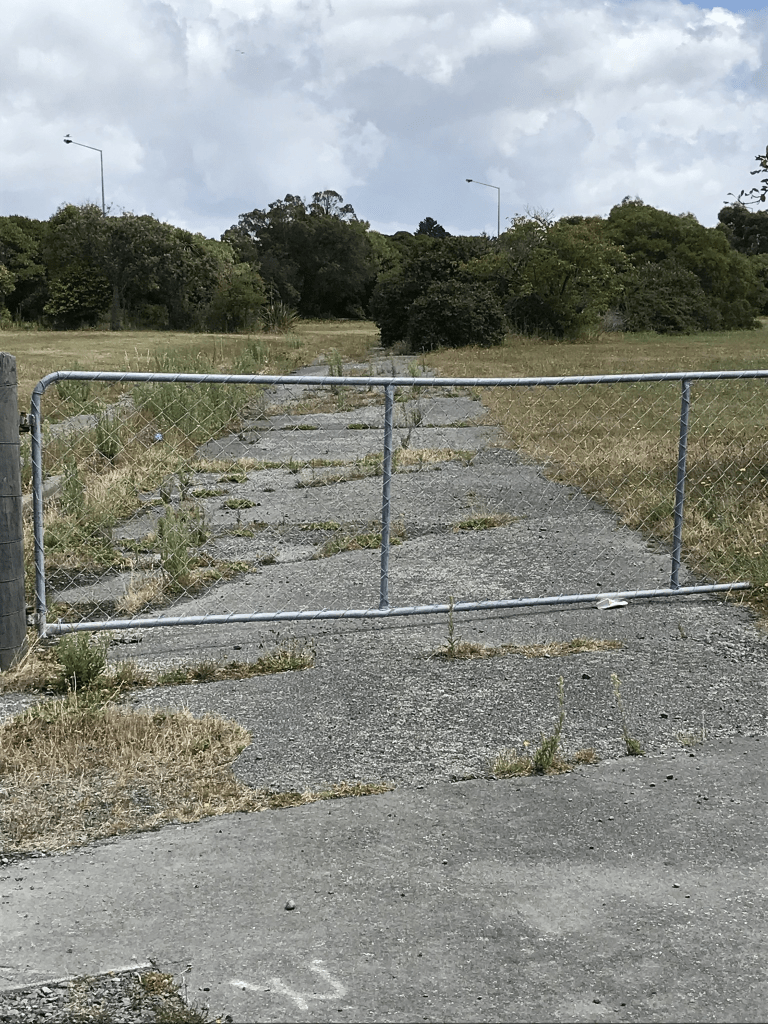
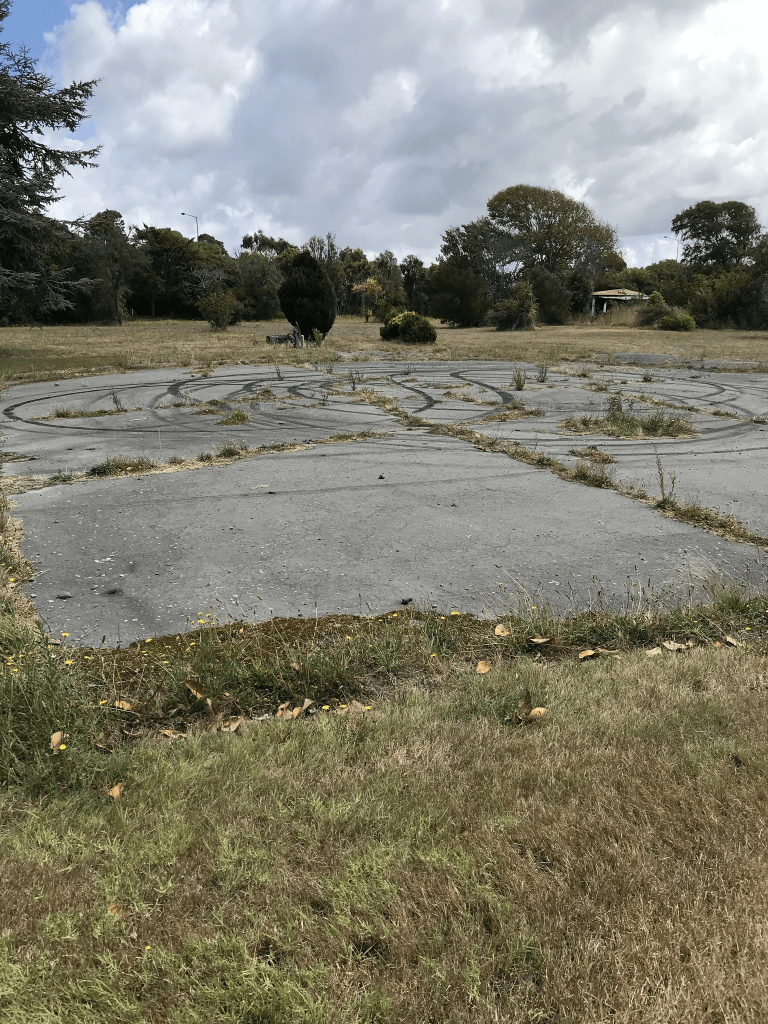
A reasonable amount of information from the library website. Papers Past in 1977 had several ads inviting you to village their Show Village which was a new concept in living. Street view for 2009 shows a typical street of houses for the 1970s. There are no longer any houses here and there is a gate where the entrance to the street would have been but you are able to walk around it. The boy racers obviously can get in as there were recent looking burn out marks.

Chale Lane in the suburb of Avondale Red Zone, Christchurch

Chale Lane in Avondale red zone – Named after Chale, a village on the Isle of Wight.In a subdivision between the Avon River, west of the Bower Bridge and the northern end of the Avondale Golf Course of a 50 acre farm formerly belonging to Stewart Clendinning Hampton (1908- 1993). Developed from 1969 by Merrit-Beazley Homes Ltd. All the streets are named after places on the Isle of Wight. Named on 16 June 1975.

A reasonable amount of information from the library website. Only two entries on Papers Past and they were ads for selling houses. I was very surprised to realise that there is still a house on this street but it is in a very bad state and the garage next to it has obviously had a fire. I checked street view and the house was looking OK in February 2022 and probably was still being lived in. There were two news articles that I found about the owner of the house and he had no intention of moving from the house. One article was dated 2014 and the other article was dated February 2021. Sounds like he was a bit of a character. I didn’t find a death notice for him.

Calbourne Lane in the suburb of Avondale Red Zone, Christchurch

Calbourne Lane in Avondale Red Zone – Named after Calbourne on the Isle of Wight. In a subdivision between the Avon River, west of the Bower Bridge, and the northern end of the Avondale Golf Course, of a 50 acre farm formerly belonging to Stewart Clendinning Hampton (1908-1993). All the streets are named after places on the Isle of Wight. Developed from 1969 by Merrit-Beazley Homes Ltd. Named on 16 June 1975.

A small amount of information from the library website. Stewart Clendinning Hampton had no connection with Isle of Wight as his ancestors were Irish. Clendinning was his grandmother’s surname. I checked Stewart’s wife and she didn’t have any connection to Isle of Wight either so it must have been a random decision by the developers to name the streets in the area after places in the Isle of Wight. Stewart Clendinning Hampton was a dairy farmer on Wainoni Rd and after he sold his land here he moved out to Fernside to farm.

First mention in Papers Past was an ad in 1970 and the area was being called Cedarwood. Between 1970 and 1979 all the entries on Papers Past were ads for half built houses being sold.

I didn’t actually walk this street as it is blocked off by a fence and locked gate. There are no longer any houses here as it is in the red zone. Street view from 2012 showed houses that were still being lived in and several looked like council housing. Street view from 2009 showed a very ordinary looking street.

Arthur Street in the suburb of Upper Riccarton, Christchurch

Arthur St in Upper Riccarton – formerly Toroa Road Named after Arthur William Biggs (1881-1955). Toroa Road first appears in street directories in 1955. Re-named Arthur Street in 1958. Arthur Biggs, a farrier, had premises at 347 Riccarton Road during the 1920s and 1930s. Re-named by Joseph Irvine Colligan (1910- 1965), a hairdresser and chairman of the Waimairi County Council 1960-1965.Information supplied in 2004 by Aileen Colligan (1910-2010) in an interview with Margaret Harper.

A small amount of information from library website. Only a few ads on Papers Past under the name Toroa Rd and didn’t find any information about changing the street name. I probably missed information as Arthur St as there were so many streets throughout New Zealand with the same name. The usual death notices. In 1965 Middleton Grange had an application approved to build a secondary block with entrances on Arthur St and Suva St. There was probably state houses on this street as I found an ad for a state house tenant wanting to swap houses and this was under the Toroa name. Most houses here were built in the 1950s and many had a state house look about them. Most looked nice and tidy with nice gardens but none stood out for me. There is obviously a car park and entrance for Middleton Grange School. A group who call themselves Equippers Church hold their meeting at the school. I googled them but was none the wiser about their version of Christianity. There was a group of houses down a long driveway called Gilling Courts but nothing online about it but possibly over 60s units.

Arthur William Biggs was actually a blacksmith and in his obituary it said that he was responsible for the creation of the Riccarton Domain. He was very keen on playing cricket. The more interesting information about this man was in the court news. He had been charged more than once for running a gaming house or being a bookmaker. He was divorced by his first wife because of his adultery. He also appeared in court for not paying his wife maintenance.

Edited as I have just checked old maps. Map for 1950 shows Toroa Rd as a small dead end road off Hansons Lane. Map for 1962 shows a dead end road off Hansons Lane and a second dead end road off Middleton Rd. The map for 1974 shows the two small streets joined up and called Arthur St.
Suva Street in the suburb of Upper Riccarton, Christchurch

Suva St in Upper Riccarton – formerly Greens Lane. Green’s Lane is an early informal name mentioned in street directories running off 40b Middleton Road 1943-1948. No residents are listed. Re-named Suva Street in June 1948 when 24 streets in the Waimairi County were re-named.

A small amount of information from the library website. The only mention on Papers Past about Greens Lane in Upper Riccarton was the notice about changing the name to Suva St. There was a Greens Lane that ran off Tuam St and that was the only one mentioned on Papers Past. In 1950 there were plans for a new War Veteran Home to be built on the corner of Suva St and Hansons Lane. This building will replace the Rannerdale Home on Papanui Rd. It was to be set in 9 acres of wooded lane. In 1954 there was a builder contract to build the new Rannerdale Home.

In 1950 there was a letter to the editor from a local complaining about all the new houses being built on Suva St. He described them as flat topped bungalows in 16 perch sections. He was also complaining about name change to Suva St from Bowen’s Lane. He said that the pretty little lane ran past Charles Bowen’s house. I tried checking old maps but none of them showed Upper Riccarton. In 1959 residents on Suva St requested that 60 trees on Labour Departments Immigration Hostel on Hansons Lane to be cut down or topped as they were blocking the sun from the houses on Suva St. In 1974 there were several complaints about the heavy trucks using the street. The usual death notices as well as a few birth notices and engagement notices.

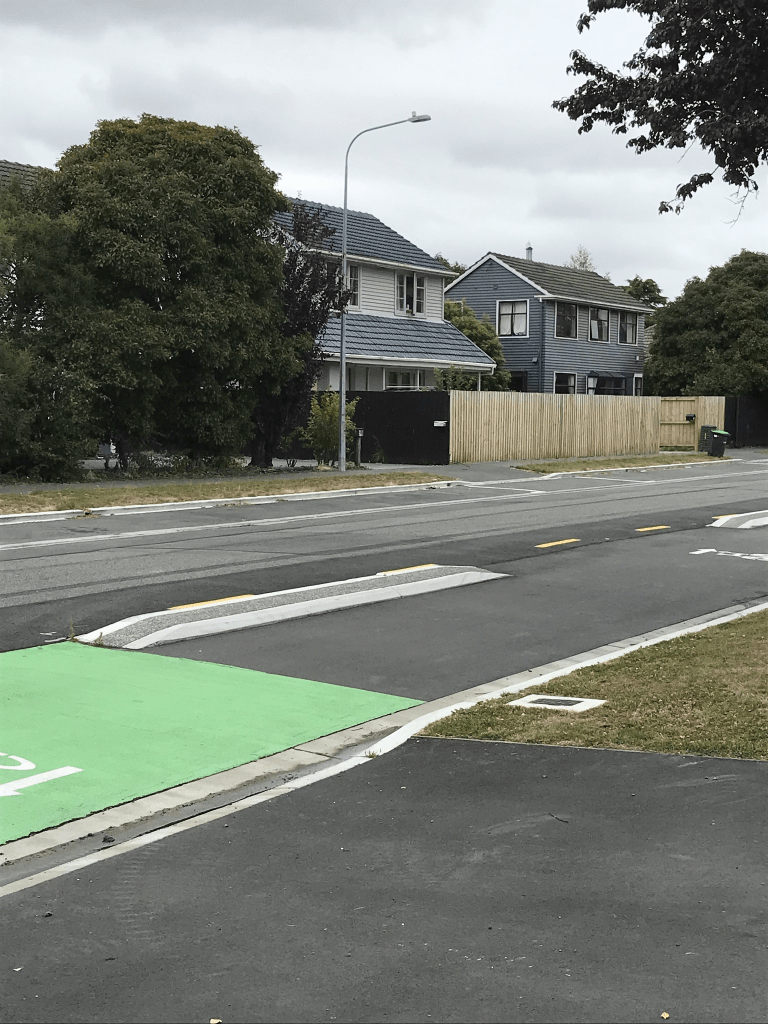
A huge number of houses here were built in the 1950s and none stood out for me. A couple from 1940 and a few from other decades. Many were also built in 1990s and several built in 2019. The ones built in 2019 are called Rannerdale Apartments and are on land which belonged to Rannerdale Home. They are stark ugly buildings built on land which looked like it had been a lovely green area with gardens and trees. There is an entrance to Middleton Grange on this street and opposite side of the street is playing grounds for the school. There is now a big cycleway on this street and at the Curletts Rd end it is only one way traffic while they are working on the cycleway. It was scary when I was walking this street to see a car turn into the street from Curletts Rd totally ignoring the closed sign. It had to go onto the wrong side of the road to turn onto Suva St and there was a truck that it nearly hit. The truck driver didn’t look happy about such a close call.

Auburn Avenue in the suburb of Upper Riccarton, Christchurch

Auburn Ave in Upper Riccarton and nothing on library website yet most houses were built in the 1940s. The street is possibly named after a place in Ireland. Many entries on Papers Past were about the water pump and water supply issues. There must have been a water tower on the street but it was moved in 1957 as it was no longer required. In the same year a pumping station was being built but they were having problems with unstable ground. In 1959 a block of 10 shops to be built on the corner of Auburn Ave and Riccarton Rd. In 1952 a playground to be built between Auburn Ave and Riccarton Rd and in 1962 a new scout den was opened in Auburn Reserve. As usual there were lots of death notices. What I looked for on Papers Past but didn’t find was information about State Houses as the houses built in 1940s were State Houses. There are about 40 houses built in 1940s and some are still State Houses. The reason that I know that most of the street had State Houses is that in the 1990s the government had a special scheme to help tenants of the State Houses buy the houses they were living in. I was working in a bank and saw several customers who were wanting to buy their houses. One successful applicant lived on this street. When I was walking the street yesterday I just couldn’t remember which house it was yet I had visited it more than once.

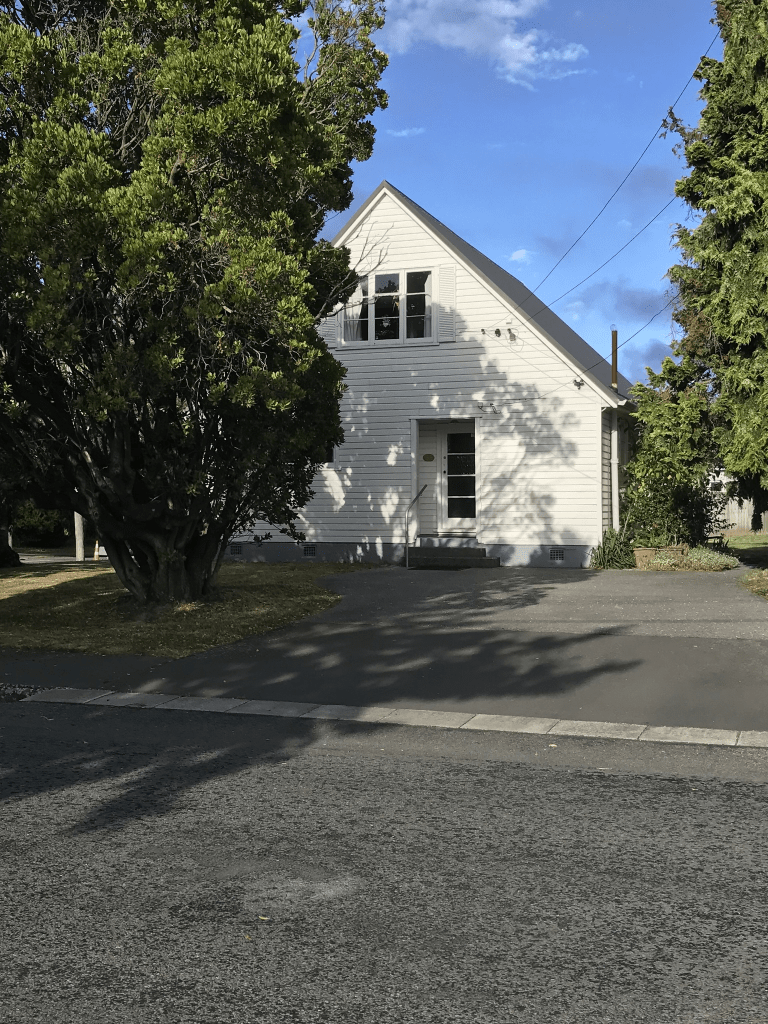
The shops on the corner of Auburn Ave and Riccarton Rd are still there. Most of the houses still have a state house look about them but that will be because of when they were built. There were two houses that stood out for me. One was because it was a bit quirky and the other because it looked like it had been a church. I couldn’t find any evidence of it having been a church and in the 1940s through to 1970s it was a private home. It is now houses a counselling service business.

Renfrew Street in the suburb of Upper Riccarton, Christchurch

Renfrew St in Upper Riccarton – First appears in street directories in 1950.

A tiny amount of information from the library website. It has either been named after a person or after Renfrew near Glasgow Airport. Very little information on Papers Past apart from a few death notices. The most interesting article was in 1971 where the residents of the street objected to a Mr R L Kennedy adding extra units to his existing blocks of flats. The residents feared that it would affect the pleasant character of their street. Mr Kennedy was refused permission to build the extra units.

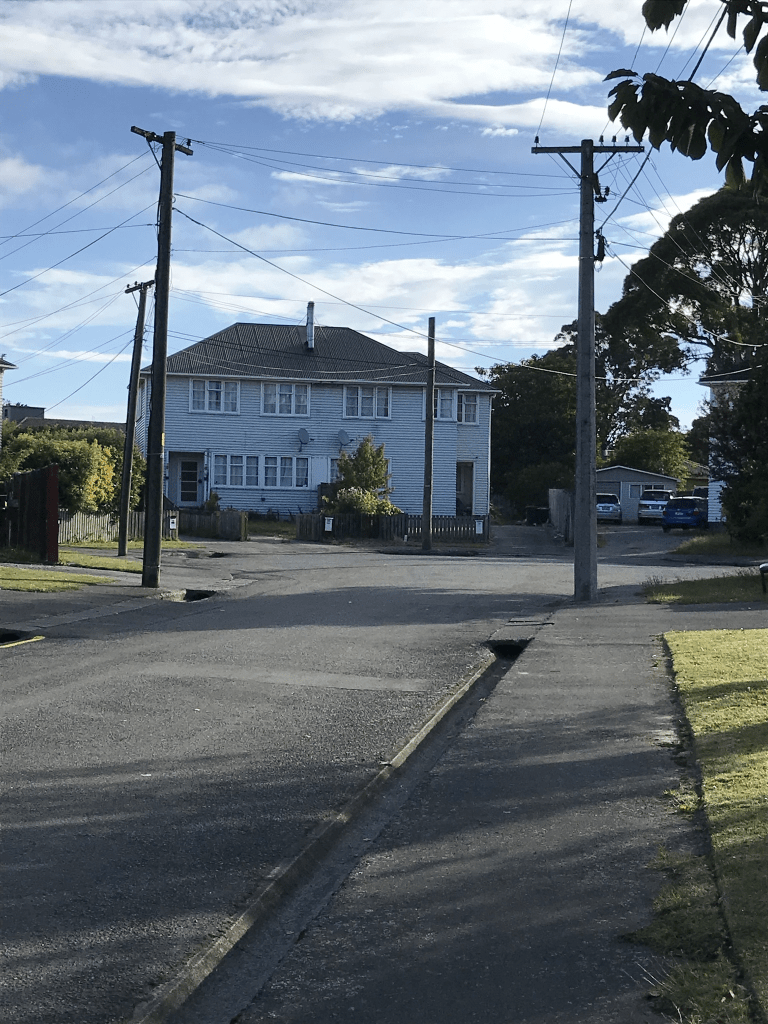
There were a couple of houses from 1940 and several from 1960s. There are possibly social housing. The houses built in 1950s seem to be privately owned and were definitely the tidier places. Many houses are promoted for students to rents. There was a big block of flats that looked like social housing but couldn’t find anything online to say that they were social housing.

I didn’t really like this street.

Tiora Place in the suburb of Upper Riccarton, Christchurch

Tiora Place in Upper Riccarton – formerly Henley Place. Henley Place first appears in street directories in 1950. Re-named Tiora Place in 1951.

A small amount of information from the library website. Not a lot of information on Papers Past. Only found two entries for Henley Place and one was about thefts from houses that were under construction. Under Tiroa Place there were ads where residents were selling items. A couple of incidents of assaults after parties.

Only 8 houses here and most had a state house feel about them. They were built in the 1940s. The ones built in 1990s seemed to be privately owned.

Brake Street in the suburb of Upper Riccarton, Christchurch

Brake St in Upper Riccarton – Formerly Church Street. Named after the Upper Riccarton Methodist Church situated in the street. Re-named Brake Street. Named after Robert Brake (1852- 1929) and his wife Margaret Ann Brake. The foundation stone for the church was laid on 24 May 1886. Church Street first appears in street directories in 1903. One of the five residential streets containing mainly workers’ cottages making up the area known as Peerswick. Re-named Brake Street by the Waimairi County Council on 8 February 1933. Margaret Ann Brake (1851?-1935), widow of Robert Brake, is then listed in street directories living at 8 Brake Street. With the support of Sir Charles and Lady Bowen, the Brakes had purchased land at Upper Riccarton and opened a shop, Brakes General Store, a coal yard and a timber yard on the site. Their daughter Charlotte ran the Upper Riccarton Post Office until the mid-1920s.

A reasonable amount of information from the library website. There were so many Church Streets that it was impossible to read all the entries on Papers Past. The Riccarton Lodge of Manchester Unity had a hall here from 1911 but in 1959 they built 3 shops on the site. There are still shops on the same corner but I don’t know if they are still owned by Manchester Unity. The Methodist Church is on the other corner and in 1961 they planned on using an old house because the Sunday School was getting overcrowded. When Robert Brake died in 1929 only his sons are mentioned in his obituary. In his obituary his shop is mentioned as having been destroyed by fire fairly recently before his death.

The church is still there and most houses on the street were built in 1970s. On one side of the street between Yaldhurst Rd and Leslie St it is only commercial buildings. The best looking house on the street looks like it is a medical centre. Personally wouldn’t like to live on this street.