Lapwing Lane in Mt Pleasant – Named after the Lapwing, a 35 tonne sailing vessel that delivered timber and other goods to Heathcote in the 1860s. Named on 2 June 1999.
A small amount of information from the library website. Lots of ads on Papers Past under shipping news. It seemed to be a coastal vessel. I couldn’t find out much more than this about the vessel but it was possibly built in Auckland. It was also possibly owned by one of the Carey family from Carey’s Bay in Dunedin at one stage.
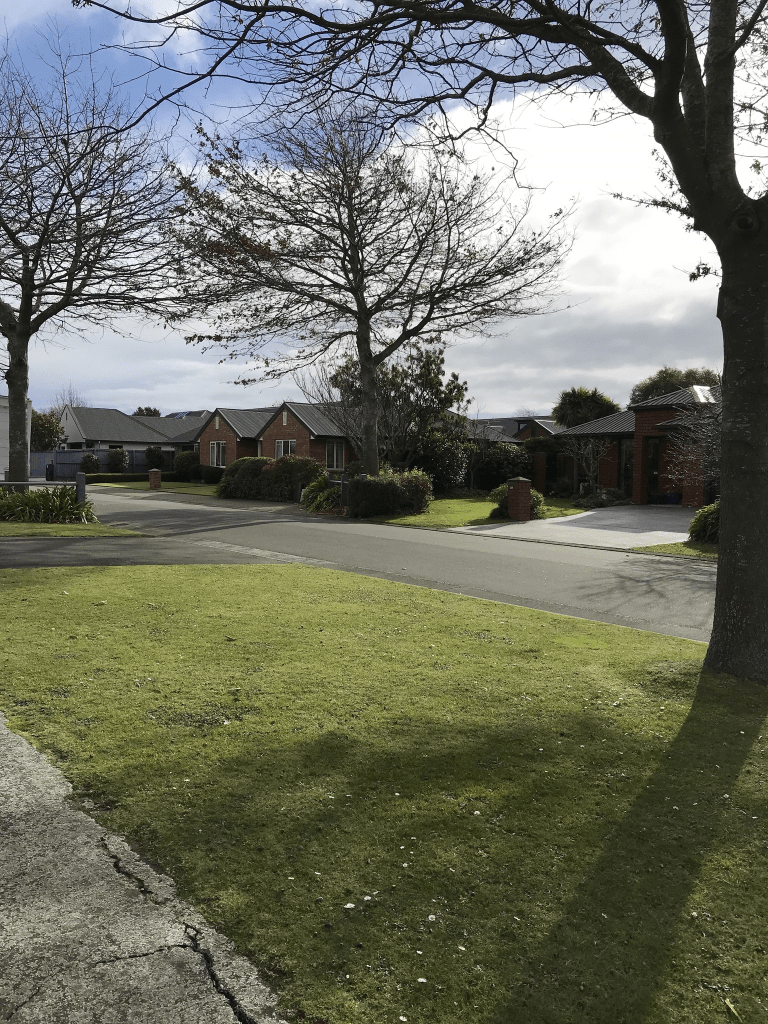
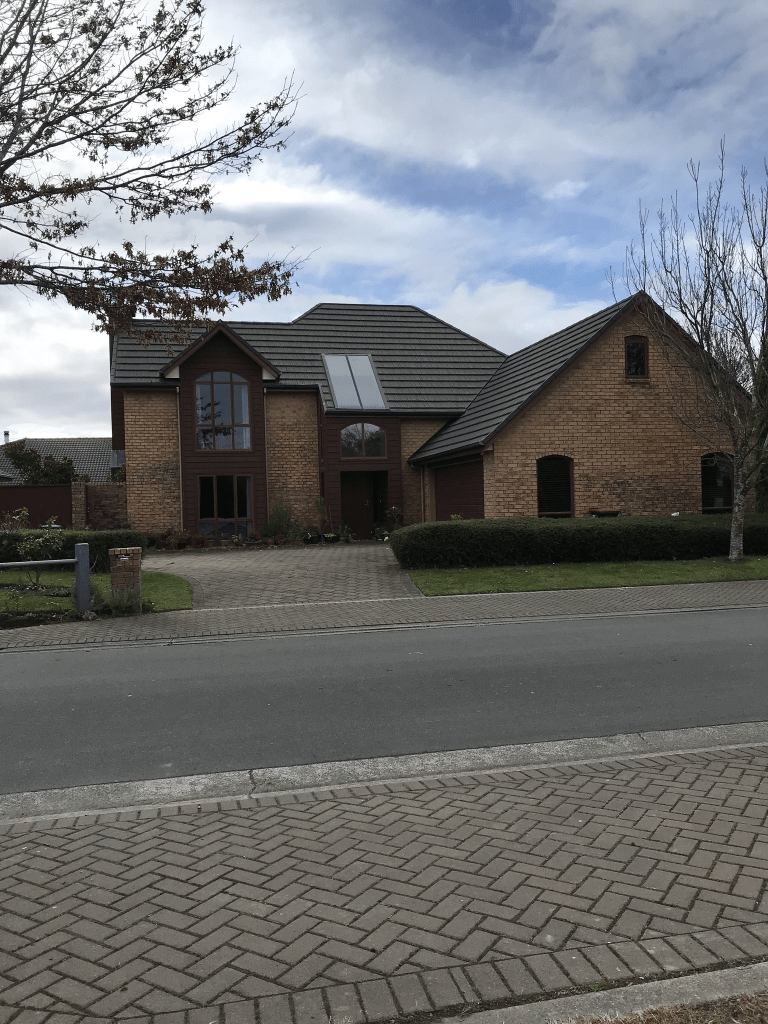
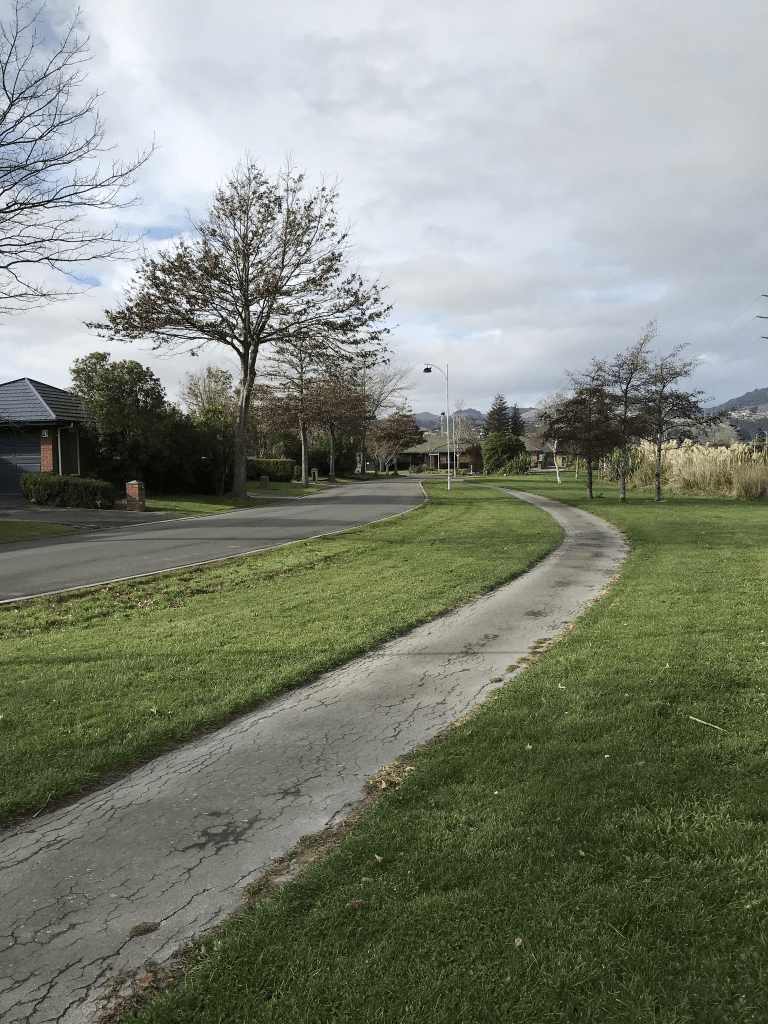
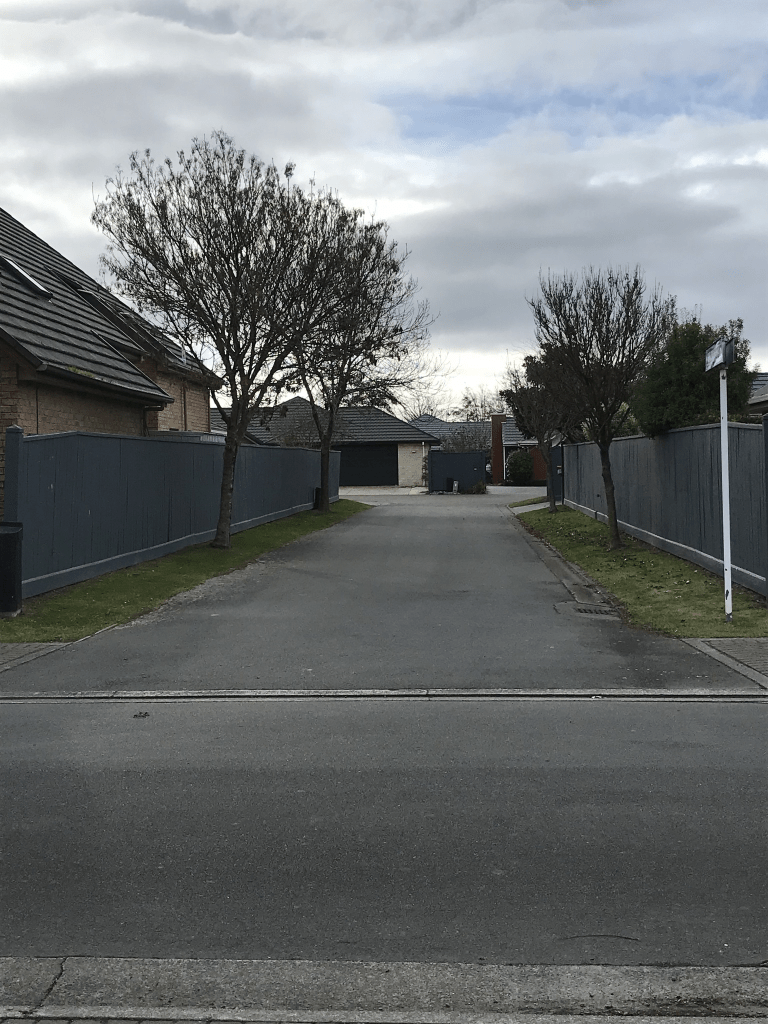
There are only four houses here with three built in 2000 and the other built in 2016. Great views here. I didn’t walk this tiny lane as a vehicle was blocking it.
Brigid Place in Mt Pleasant – Named after Brigid Dowsett, née Davis, (1967-).Brigid Dowsett is a daughter of Michael John Wood Davis, a surveyor and chairman of Cannon Estate Ltd., developers of the subdivision where this street was formed. First appears in street directories in 1978.
A small amount of information from the library website and nothing that I can add about the name of the street. Papers Past mostly only had ads for sections but was an article about the naming of the street.
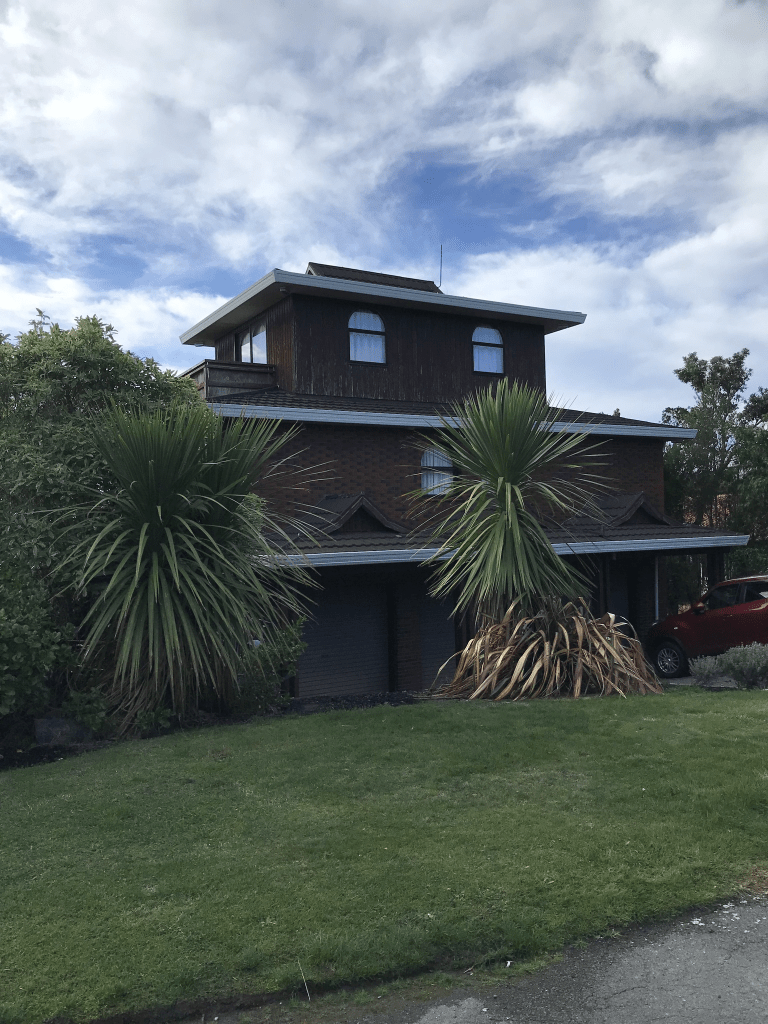
There are 16 houses here and most were built between 1970 and 1990. The house at the end of the street has been rebuilt and it is now only one level so that it no longer blocks the view and the locals are happy with this. I quite liked this street and it has great views. There was also a footpath on both sides of the street. I took a photo of a really interesting house and I regret that I didn’t take a photo of the letterbox as it looked like a Japanese pagoda. I ended up chatting to a couple of locals here and they hate this house and wish that it had been destroyed in the earthquakes. The house is on several levels and my new friends said that interior style is terrible. It is owned by an Aucklander who never visits and I assume that it is rented out. I personally quite liked it as it was quirky.
Hatherly Lane in Mt Pleasant – Named after Rohan Hatherly Philp Wills (b. 1947?). Wills, a solicitor, was a director of Cannon Estate Ltd which developed the subdivision where this street is formed. His father, Eric Philp Wills (1905-1968), was one of the original members of the syndicate which bought the 111 acres of the Cannon Estate in 1956. First appears in street directories in 1987.
A reasonable amount of information from the library website and I can’t add anything to this information.
It just like a private driveway with no footpath so I didn’t actually walk it. I was surprised to realise that there are seven houses here and they were mostly built in 1980 and 1990 but going by street view some look like rebuilds.
Roland Lane in Mt Pleasant – formerly Roland Street. Named after the first purchaser of one of the sections in the street. This person has not been able to be identified. Named at the suggestion of Michael John Wood Davis (1926-), a surveyor and chairman of Cannon Estate Ltd., developers of this subdivision. Roland Street first appears in street directories in 1973. Becomes Roland Lane in 1977.
A small amount of information from the library website. Papers Past only mentions Roland Lane and there wasn’t any entries for a Roland Street. I have an idea who Roland was but need to confirm it. Papers Past mostly just ads for sections in 1974 and 1984 and the ads in 1974 called the street Roland Lane. I will have check out the Wises sometime to found out who Roland is.
There are only three houses here built 1970, 1980 and 1990. This tiny private lane just looked like driveway
Marsack Cres in Halswell – Named after Croft Augustus Marsack (1824- 1892). Marsack was one of the first owners of the land where the subdivision was later developed. The street names in the Milns Estate subdivision all have an historical connection with the Halswell area. Named in 1999.
A small amount of information from the library website.
A few entries on Papers Past and they were mostly marriage details for Croft Marsack’s children. He was living in France but his children all got married in Christchurch. His death notice said that he died in Boulogne sur Mer in France aged 67. Second son of the late Colonel Marsack Grenadier Guard of Caversham Park. There was an article in 1971 that said Croft Marsack in April 1853 was granted a rural section of 50 acres and he paid £100 for it. A year later he sold it to John Miln for £100.
From the Ancestry website he is described as a gentlemen living on Kilmore St. The various family trees had him married 4 times and his first wife died a couple of weeks after her son was born. I found an entry on the National Library website with a reasonable amount of information.
Born 9 December 1824 at Caversham Park, Oxford, the son of Richard Henry Marsack (1786-1852) and his wife Jane Lateward (1790-1852).
Married Jane Lovegrove (1830-1853) on 9 June 1852 and travelled to Canterbury, New Zealand together on the ship ‘Duke of Portland’ arriving on 19 October 1852. His first wife died on 13 August 1853 and was buried at Barbados Street Cemetery. Following the death of his wife Marsack decided to return to England, travelling via Sydney. He married his second wife Julia Zillah Prebble (1825-1866) in Reading, England on 11 March 1855. They travelled to New Zealand on the ship ‘Merchantman’ and arrived in Lyttelton on 9 October 1855. They resided at Papanui. Departed for England with his wife on the vessel ‘White Swan’ on 21 October 1858. His second wife died at Reading, Berkshire, on 15 February 1866. Marcroft made a third trip to New Zealand on the vessel ‘Charlotte Gladstone’ and arrived in January 1871 and departed again on 28 January 1875. He married his third wife was Sarah Anne Knight (14 September 1835-12 October 1869) on 1 October 1868, and in April 1876 he married his fourth wife Emma Hersee (1830-1902). Marsack died at Boulogne on 21 April 1892.
There are 33 houses on this street and most were built in 2000. A tree lined street with immaculate gardens which were mostly just lawns. Footpath on only one side of the street and street didn’t stand out for me and rather boring.
There is a photo on Canterbury Stories for this street.
Edmund Storr Road in Halswell – Named after Edmund Storr Halswell (1790- 1874).Halswell was a member of the Canterbury Association. The street names in the Milns Estate subdivision all have an historical connection with the Halswell area. Named in 1999
A tiny amount of information from the library website. Note Edmund Storr Halswell might have visited Canterbury but he lived in Wellington during his brief stay in New Zealand. He was a busy man while he was he New Zealand. A few entries on Papers Past. He was appointed sub protector of Aborigines a post that he held until he was appointed a Judge. One of the founders of the Masonic Lodge in New Zealand. In 1842 he opened the County Court of the Southern District of New Ulster. He must have still owned property in Wellington after he left New Zealand in 1845 as there was a court case involving his property in Thorndon. Possibly dispute over rents. He was born Edmund Storr Haswell in Wales but he changed his name to Halswell as he decided that he had a connection to a Somerset family called Halswell. There is a Wikipedia page for Edmund Storr Halswell.
There are only 12 houses here built in 2000 and a couple I quite liked. It was a pleasant looking street with a couple of nice gardens but the footpath was only on one side of the road.
John Olliver Tce in Halswell – Named after John Ollivier (1812- 1893). Ollivier arrived in Lyttelton in 1853 on the John Taylor. He selected land on the Lower Lincoln Road opposite where the Mt Magdala Asylum was later built. The street names in the Milns Estate subdivision all have an historical connection with the Halswell area. Named in 1999. [The name of the street is incorrect, missing the second “i” in Ollivier’s name]
A small amount of information from the old library website for streets of Christchurch.
Not much information on Papers Past but there were a couple of photos of him. Lots of entries in court news as he was a magistrate. More information on Ancestry website and he was born in March 1812 on the Isle of Wight. Before he came to New Zealand he was a publisher in London. Between 1853 and 1856 he lived on Lincoln Rd and described as a farmer. In 1858 he was described as an auctioneer. From 1870s onwards he had a freehold property on Ferry Road and his death notice said that he died at his house Bolton House on Ferry Road. Note Olliviers Road is named after John Ollivier so he has two roads named after him.
Only 13 houses here and most were built in 2000. The houses are on only side of the road and John Olliver Reserve is on the other side. There is a footpath on only one side of this street and parking would be terrible on this street as it is fairly narrow. I like the reserve and I have previously found a geocache in the reserve.
Forgan Lane in Halswell – Named after James Forgan (1822-1886). In 1856 Forgan entered into partnership with James Feather (1824-1898) and opened the Halswell Quarry. The street names in the Milns Estate subdivision all have an historical connection with the Halswell area. Named in 1999
A small amount of information from the old library website and not the new revamped unimproved website.
Not much information on Papers Past but did find a letter from William Guise Brittan in 1865 that stated that he had leased his quarry to James Forgan and James Feather. There was an article in 1985 about the Canterbury Museum which mentions James Forgan and James Feather starting Halswell Quarry in the 1850s. In 1870 there were several as James Forgan was selling his property near Timaru as he was leaving the area. His wife Isabel / Isabella died in December 1884 and James died in July 1886 aged 65. He was living on Ferry Rd when he died. I looked at Ancestry website and managed to find a bit of information but it was confusing. James Feather was much easy as he constantly lived on Lincoln Rd. James Forgan moved around a lot and was near Timaru and then in the Mt Grey area. By 1880s he was Wilsons Rd and Ferry Rd. There were a few other addresses but there was a note on the electoral rolls saying that those addresses ceased to possess qualified. James remarried in 1885 to Ruth Beeson a widow. He is buried in Addington Cemetery with both wives. James was born in Govan, Scotland and he emigrated with his wife Isabel in 1860 on the ship Gananoque. James was 38 and his wife 21 when they emigrated. There is no way he managed to start Halswell quarry in 1856 as he wasn’t in New Zealand in 1856. They would have been better at naming the street after James Feather.
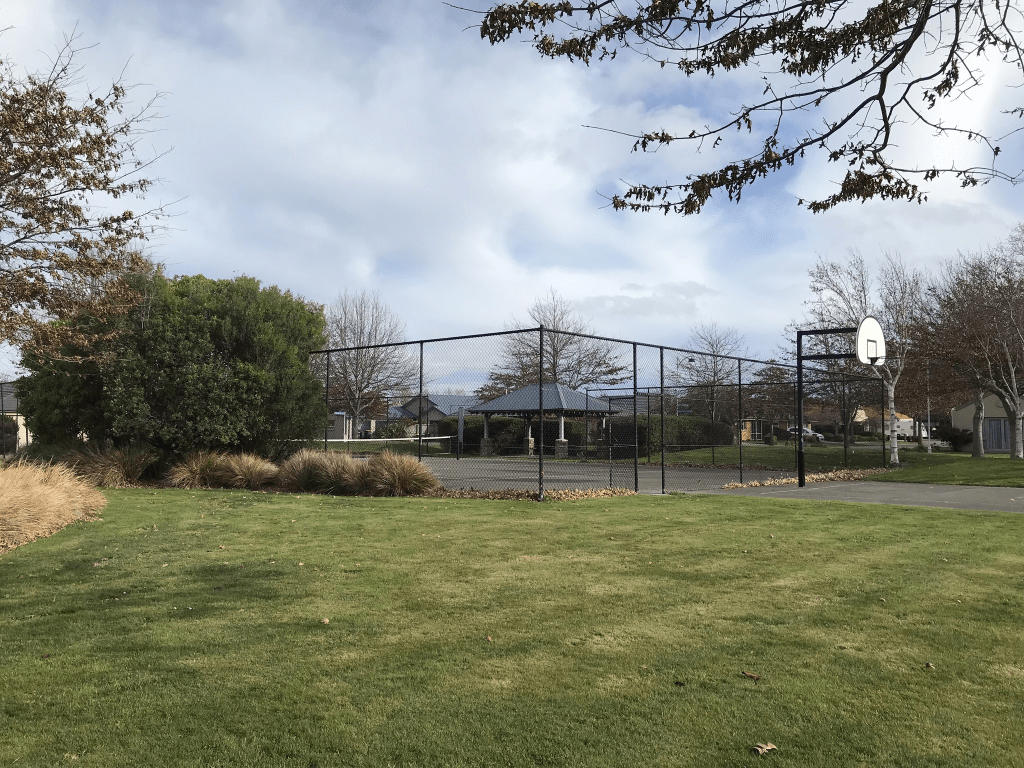
There are only 6 houses here built in 2000 and there isn’t a footpath. There is a reserve here with a tennis court and there was a grassy area for me to walk on. No parking available on this street. I am surprised that I hadn’t already walked this street as I am positive that I have found a geocache here. There doesn’t seem to be a geocache here any longer.
Lady Nugent Lane in Halswell – Named after the Lady Nugent. The Lady Nugent was an immigrant ship which brought Edmund Storr Halswell to New Zealand in 1841. The street names in the Milns Estate subdivision all have an historical connection with the Halswell area. Named in 1999
A small amount of information from the library website and note I am using the old website and not the new revamped unimproved website.
Nothing that I can add about the name of the street. The ship’s passenger list for 1841 can be found online. The ship was built in Bombay in 1813 and it foundered in May 1854 with the loss of about 400 lives. The ship was mostly carrying soldiers.
There are only 6 houses here all built in 2000 and I didn’t actually walk the street. There wasn’t a footpath and it just looks like a private driveway.
Selah Street in Halswell and it is too new for the library website or google maps plus it doesn’t have any houses yet. A small amount of information from the council website.
Selah Place – means ‘pause’, ‘listen’ or ‘think of that’ in memory of the peaceful rural environment and surrounds. Note the street sign says Selah Street.
There is a street sign plus about 50 metres of road and then a big fence. The local use it as a car park. On the other side of the fence there is a building which seems to belong to a large house.