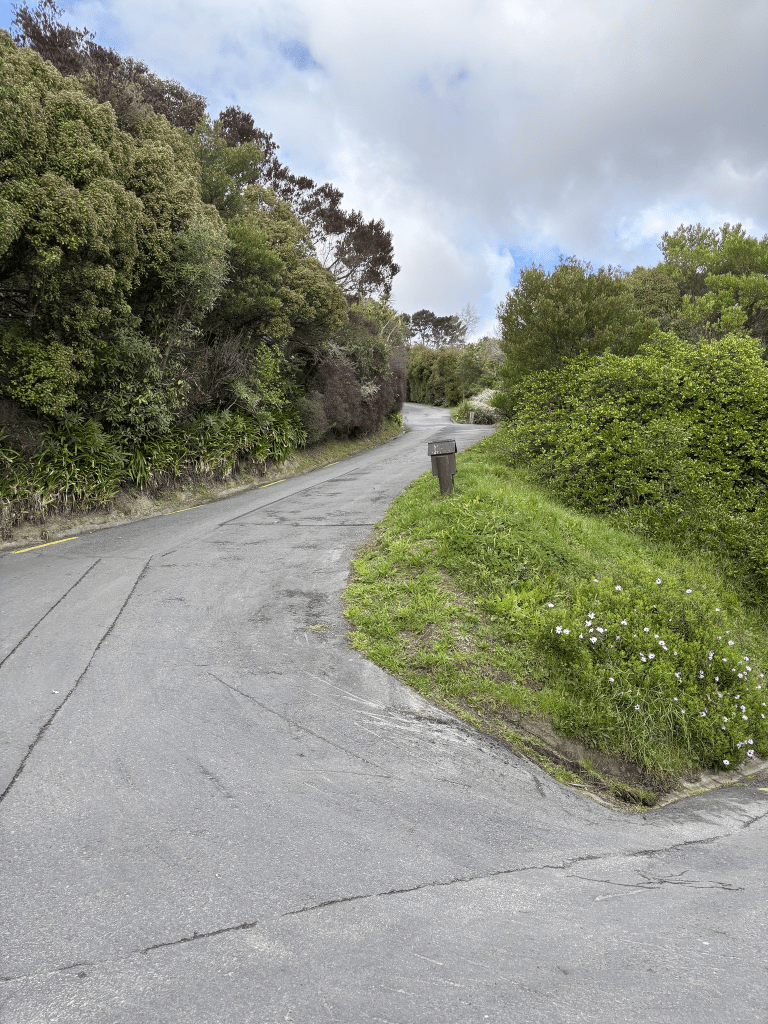
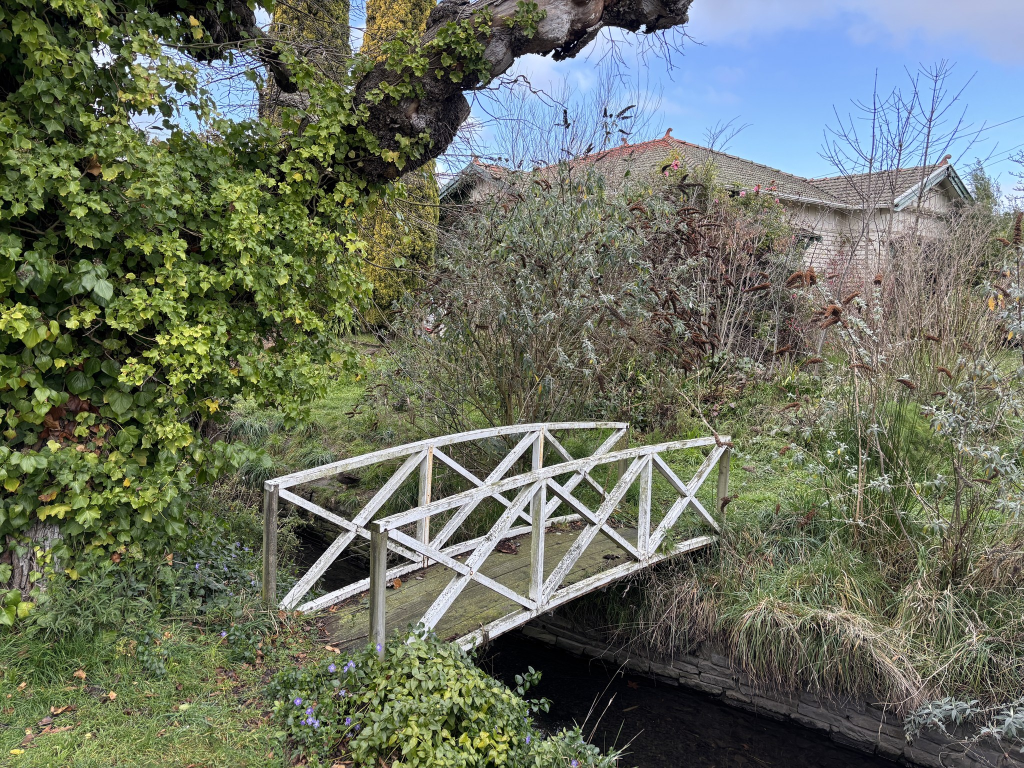
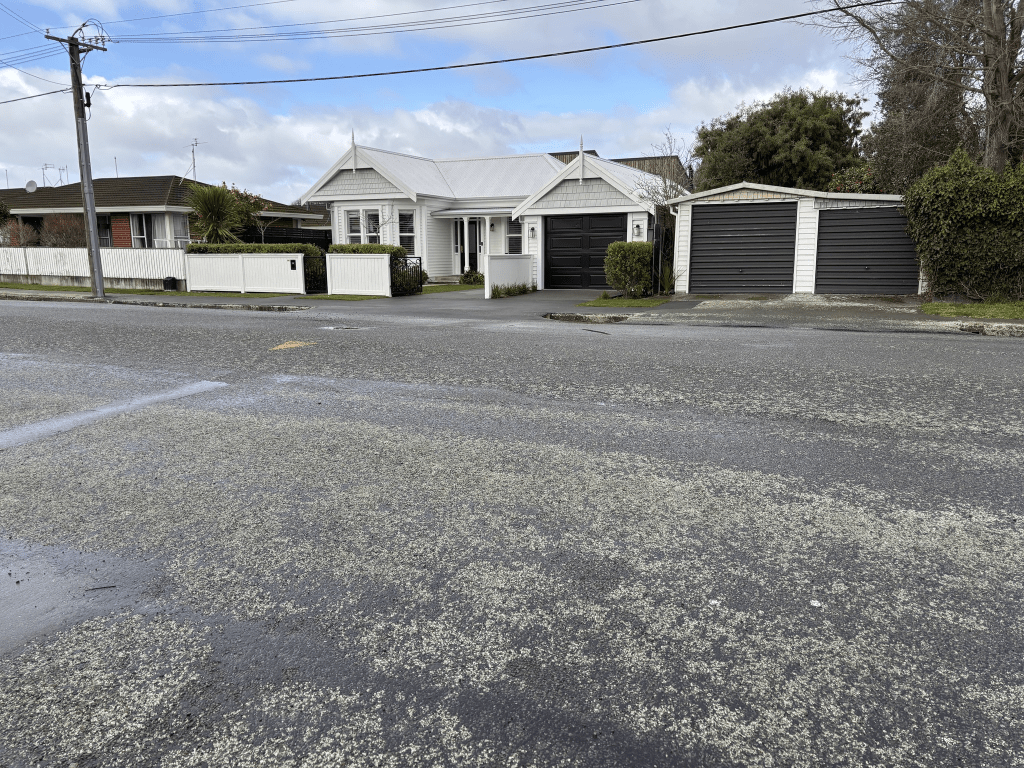
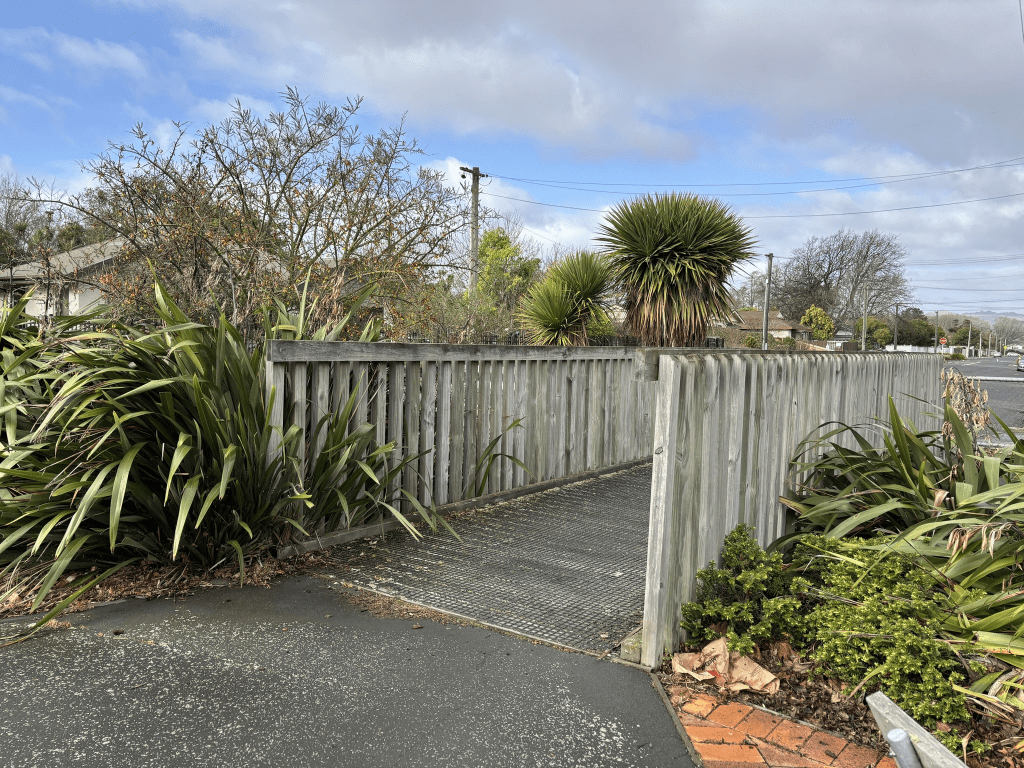
Guild Street in the suburb of Richmond, Christchurch

Guild Street in Richmond – Named after a position in the Anglican church. Guilds were originally associations of craftsmen in particular trades. The term was borrowed by the Anglican Church. A guild tends to be a group of lay persons (often women) within a parish which meet together for social purposes and to maintain the building and its finances. In an area where the Anglican church owned land. First mentioned in The Press in 1910 when land is advertised for sale there. It was then being formed. First appears in street directories in 1914.

A reasonable amount of information from the library website. Papers Past had the usual birth and death notices. In 1910 there were several ads for the sale of sections in the Church Property subdivision. In 1920 there was a proposed council bylaw to forbid horses, cattle and sheep being driven down this street plus the surrounding streets. The sewers were connected in 1926. In 1962 it was proposed that a Hospice for the Aged to be build. The article in 1963 said that the erection of the modern geriatric hospital was processing nicely. There were several ads for staff for the Churchill Hospice. Later on it was being called Churchill Hospital. Street view from 2007 had a sign outside it saying Churchill Complex.

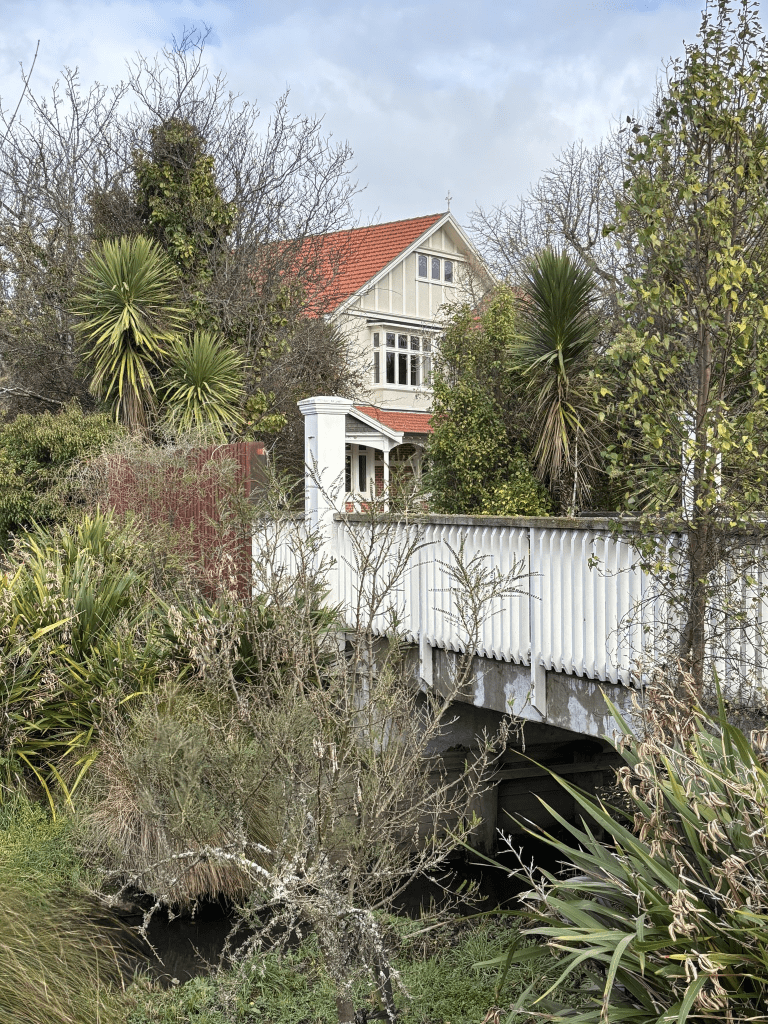
In 1983 the road was closed at the Stapletons Road end of the street as the wooden bridge over Dudley Creek was unsafe. What was a temporary closure became a permanent closure and there is now just a footbridge there.

The street has only about a dozen houses with some built in 1910 and 1920. Where Churchill Complex used to be there is now social housing for 15 families. It is called Guild Street Housing Community and there was an article about it in 2021 and another article earlier this year. The article states that this housing was built where there was an abandoned Aged Care Village known as Churchill Courts.

Chancellor Street in the suburb of Richmond, Christchurch

Chancellor Street in Richmond – Named after a position in the Anglican Church. The chancellor is the legal adviser to an Anglican diocese. He or she is one of those who administer the affairs of a diocese between meetings of synod. One of a number of streets with names with Anglican associations, chosen when the Church Property Trustees sold their land. First mentioned in The Press in 1910 when land for sale is advertised there. First appears in street directories in 1914.

A small amount of information from the library website. Papers Past had ads for sections in 1910 for the Church Property subdivision. In 1913 there were seven workers dwellings allotted to this street. In 1914 there was a Workers Dwelling for sale in the Chancellor Street Settlement. There were several sections for sale between 1913 and 1914. In 1915 there was a school to be built on the corner of Shirley Road and Chancellor Street. I then got a bit confused as there was a letter to the editor in 1928 with a question about using the site of the old Richmond school for a playground. I searched Papers Past and couldn’t find anything about Richmond school being on Chancellor Street. There were some birth notices and lots of deaths notices.

At the Shirley Road end of the street there is a playground called Shirley Community Reserve. The Shirley Primary school was on this site from 1916 to 1977. Then the Shirley Community Centre was here from 1979 to 2011. The Community Centre was damaged in the earthquakes. Near Julius Terrace there is a Play Centre. Also at the corner by Julius Terrace the road is closed and there is a footbridge over Dudley Creek connecting the one part of the street to the other part of the street. The street has only been closed at this point since 2016 and not everyone was happy about this. There are a couple of empty sections where houses have been demolished. Going by street view they looked like lovely 1920s houses but they were made from brick and many brick houses didn’t fare well in the earthquakes. Most of the houses on this street were built between 1910 and 1925. I managed to work out that the workers dwellings were near the Guild Street end of the street as they were all in an identical style. It was a pleasant street and there was one house that looked lovely but I am not sure if it a complete rebuild or just updated.

Julius Terrace in the suburb of Richmond, Christchurch

Julius Terrace in Richmond – Formerly Harper Terrace. Named after Henry John Chitty Harper (1804-1893). Re-named Julius Terrace. Named after Churchill Julius (1847- 1938). Harper Terrace is first mentioned in The Press in 1912. First appears in street directories in 1914. Bishop Harper was the first Anglican Bishop of Christchurch 1856-1889. Formed on land originally owned by the Anglican church. Benjamin Oakes Moore (1888?-1953), a builder, is one of the first two residents listed. Re-named Julius Terrace in 1918 because of the duplication of Harper Streets in Christchurch. Bishop Julius was the second bishop 1890- 1925 and Archbishop of New Zealand 1922- 1925.

A reasonable amount of information from the library website and there is a Wikipedia page for Churchill Julius. The Te Ara Dictionary of NZ Biography has much better information and sadly the NZ Government announced this week that they will be cutting staff to the department that runs this website. I did slightly sidetrack here as Churchill Julius’s father was Frederic Gilder Julius. I might need to do some research on the Gilder family.

Not a lot of information on Papers Past about the street under the Harper Terrace name. Just a few ads for the subdivision in 1910 plus a couple of birth notices for B O Moore and his wife.

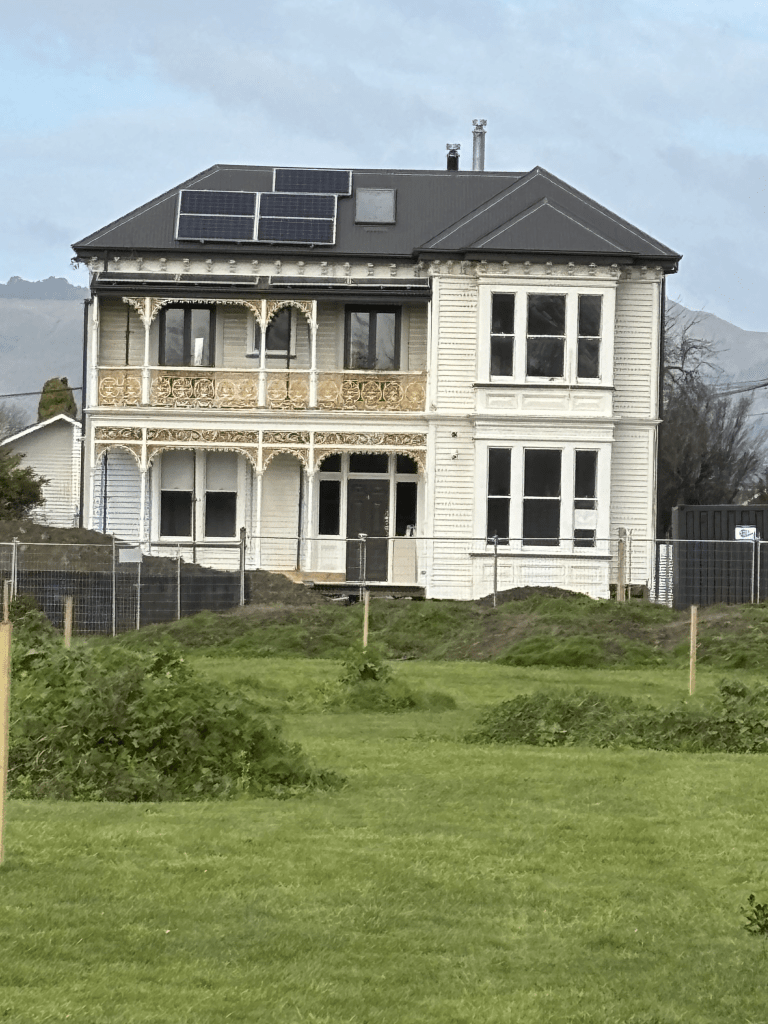
The street changed to Julius Terrace in 1918 and there were various ads over the years. In 1923 the residents complained about the willows on the street. There were several entries for 12 Julius Terrace which belonged to Benjamin Oakes Moore. Sounds like they had a fantastic garden and often held social events at their home. After Benjamin Moore’s death the property was for up for sale in 1957. It was also for sale in 1962 and 1972 and the description of the house made me want to visit the house. In 1982 when it was for sale yet again it was described as a Palatial Residence that had been recently subdivided. The property must have been huge as it still covers all of one side of the street. In 1983 the street at the Stapletons Rd end was closed to traffic. Reason was that the bridge needed replacing so the council replaced it with a footbridge.

This is a short street with only 8 houses and a couple date from 1910 and a couple from 1920. One house from 1910 looked a bit rundown but the other other is gorgeous. The gorgeous house covers one side of the street and Dudley Creek runs between this house and the street.

Averill Street in the suburb of Richmond, Christchurch

Averill Street in Richmond – Named after the Rev. Alfred Walter Averill (1865-1957). Averill was the vicar of St. Michael’s Anglican Church 1894-1910. He then became Bishop of Waiapu before becoming Bishop of Auckland. He was Archbishop of New Zealand 1925-1940. First mentioned in The Press in 1912 when land in North Richmond is advertised for sale by the church property trustees. First appears in street directories in 1914.

There is a Wikipedia page for Alfred Walter Averill plus a Wikipedia page for his son Leslie Averill. The Averill surname was familiar to me but it was unlikely that I was ever treated by Dr Leslie Averill as he retired from being a GP in about 1969 and I was still living in Lyttelton those days. For some reason eyes popped into my head and it is possible that Dr Averill’s son Thomas Averill was my eye specialist.

This street was a church subdivision and it was described as a new street in 1912. Lots of ads for sections in 1912 and they were still selling sections in 1915 and 1919. There was another sale of church land in 1924 and 54 acres was sold to Daniel Neil of The Shades Hotel. Daniel Neil must have subdivided the land as sections were available in 1925. Sewers were laid in 1926 and in 1927 there were complaints about the state of the road after the sewers were laid. There must have been a butcher shop on this street as it was burgled in 1926. The street was tar sealed in 1935 and in 1941 there was a new waterworks pumping station built. A few birth notices and lots of death notices. One family on this street had terrible bad luck with their children. They had a 19 month old son who went missing in 1947 and sadly they found his body in Dudley Creek. A couple of years earlier an older son had been rescued from the creek. In 1951 they had a daughter who died after being scalded with hot water. In 1970 there were complaints about students from Shirley Boys High School parking on the street.

I decided to walk this street after watching Moving Houses this week. My best photos of this house are from Petrie Park. I started my walk from Stapletons Road end and it looks like this house takes up what used to be two sections of land. The house that was moved dates from about the 1880s. There are still many lovely older houses on this street dating from 1910 onwards. A few modern houses and there is a building site on this street and I suspect that they will end up being ugly ones. Banks Avenue School is on this street and I googled this school. The school had a new school built after the original school was destroyed in the earthquakes. The new school opened in 2022 on wat was the site of Shirley Boys High School. Shirley Boys High moved to a different site after the earthquakes.

Kawau Crescent in the suburb of Bromley, Christchurch

Kawau Crescent in Bromley and nothing on the library website. I checked both the old and new street information on the library website.

Luckily I found an article from 1972 where six streets are mentioned as being named after the Maori names for birds that live in the Estuary. It was a new subdivision in 1972 and I managed to walk all six streets today. Kawau means black shag.

Only ads and death notices on Papers Past. Most houses were built in the 1970s with at least three rebuilds after the earthquakes. There is an entrance to a kindergarten from this street. The houses were typical 1970s style but a two storied house looked a bit different. I did have a nice chat with a local here. She said that it is mostly a pleasant street to live on but there are occasionally a few issues. This was my last street to walk for today and it was getting rather warm for the time of the year.

Korora Street in the suburb of Bromley, Christchurch

Korora Street in Bromley and nothing on the library website. I checked both the old and new street information on the library website.

Luckily I found an article from 1972 where six streets are mentioned as being named after the Maori names for birds that live in the Estuary. It was a new subdivision in 1972 and I managed to walk all six streets today. Korora means penguin. I have never seen a penguin in the estuary.

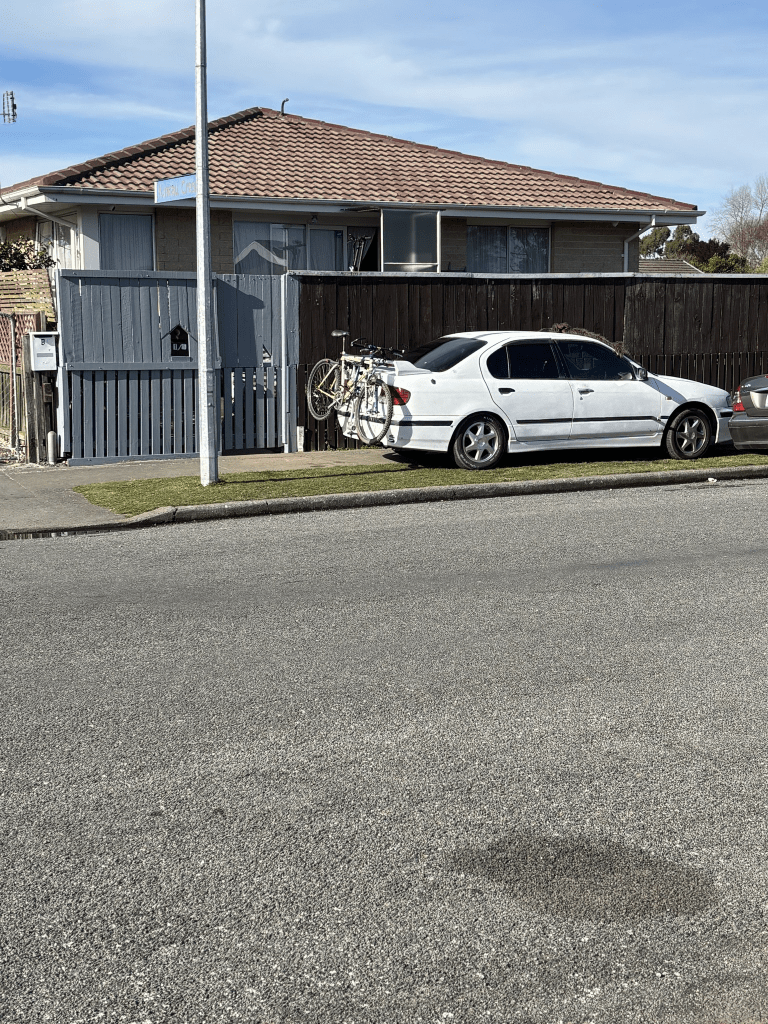
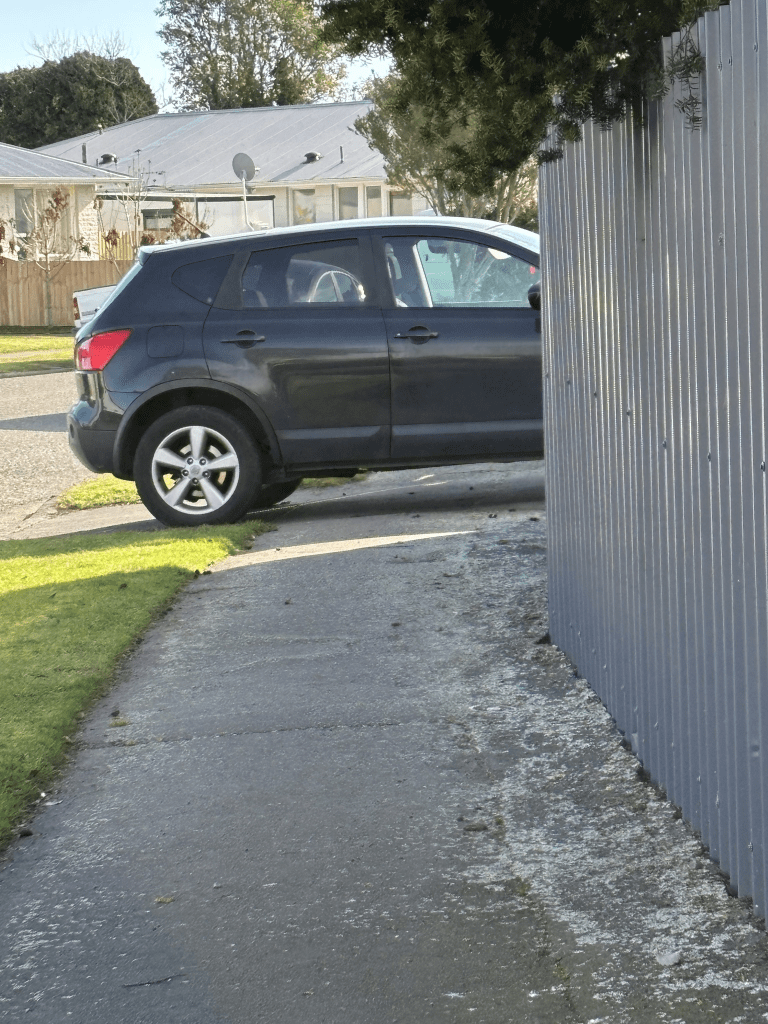
Very little information on Papers Past and it was just ads and death notices. Houses here were built in the 1970s and are typical for that era. None stood out for me. It was a pleasant and nice and tidy street. Pity that the car blocking the footpath spoiled my good impression of the street. The car even had a bike on the back of it so they must be a cyclist and we all know how I feel about them. Yes I know that there are some nice cyclists who do use the cycleways.

Pateke Place in the suburb of Bromley, Christchurch

Pateke Place in Bromley and nothing on the library website. I checked both the old and new street information on the library website.

Luckily I found an article from 1972 where six streets are mentioned as being named after the Maori names for birds that live in the Estuary. It was a new subdivision in 1972 and I managed to walk all six streets today. In the article it said that Pateke means brown duck but google says Brown Teal.

Very little on Papers Past as it was just a few ads and death notices. Houses here built in the 1970s and 1980s and none of them stood out for me. A couple of nice gardens. My only photos are of people parking badly. I hate it when the footpath is blocked my cars. There was plenty of room to park properly.

Takapu Place in the suburb of Bromley, Christchurch

Takapu Place in Bromley and nothing on the library website. I checked both the old and new street information on the library website.

Luckily I found an article from 1972 where six streets are mentioned as being named after the Maori names for birds that live in the Estuary. It was a new subdivision in 1972 and I managed to walk all six streets today. Takapu means gannet.

Nothing much on Papers Past. A few ads and one death notice. A building firm that went broke in 1975 was building some of the houses on this street. In November 1980 on the 14th there was an article about an elderly man being missing. Sadly on the 21st November he was found by a Harbour Board worker off Gladstone Pier in Lyttelton. Can this 71 year old object to the word elderly being used for the 72 year old man.

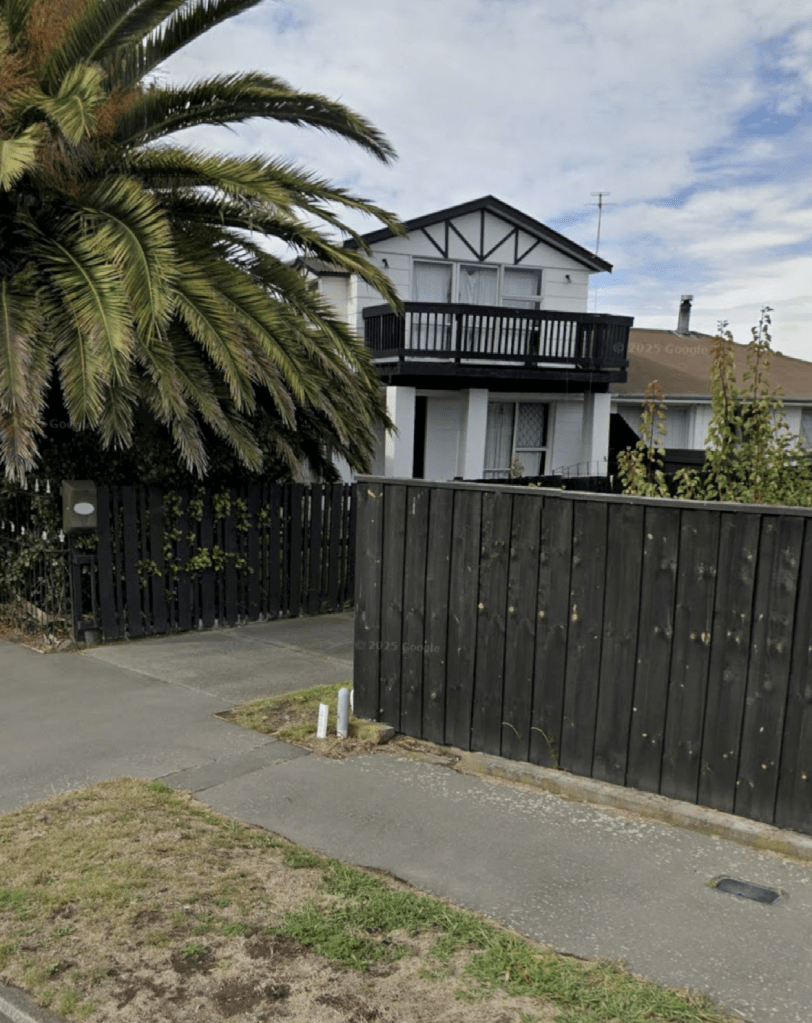
The houses here were built in the 1970s and 1980s and it was a fairly well kept street with the houses being typical for the era. One was possibly altered to give a bit of a fake tudor look.

Taranui Place in the suburb of Bromley, Christchurch

Taranui Place in Bromley and nothing on the library website. I checked both the old and new street information on the library website.

Luckily I found an article from 1972 where six streets are mentioned as being named after the Maori names for birds that live in the Estuary. It was a new subdivision in 1972 and I managed to walk all six streets today. Taranui means Caspian Tern.

Not much information on Papers Past and there were a few ads and a couple of death notices. In 1989 a man was murdered in a house here. He was stabbed by a woman living at the same address.

A very ordinary looking street with houses mostly built in the 1970s and 1980s. One house looks like it is about to be either demolished or rebuilt.

Kuaka Crescent in the suburb of Bromley, Christchurch

Kuaka Crescent in Bromley and nothing on the library website. I checked both the old and new street information on the library website.

Luckily I found an article from 1972 where six streets are mentioned as being named after the Maori names for birds that live in the Estuary. It was a new subdivision in 1972 and I managed to walk all six streets today. Kuaka means bartailed godwit.

Not much information on Papers Past with mostly ads for houses. A few death notices. In 1976 there was a house and the family managed to get out just before there was an explosion. There were rumours that a molotov cocktail was used but the fire investigators discounted this.

Most houses were built in the 1970s with a few built in the 1980s and at least one rebuilt after the earthquakes. I didn’t take any photos as nothing stood out for me. The houses were typical for their era and most were fairly tidy with a couple that looked a bit rundown. I had been geocaching nearby and it was such a lovely day that I went walking.