Glenelg Spur in the suburb of Hillsborough, Christchurch

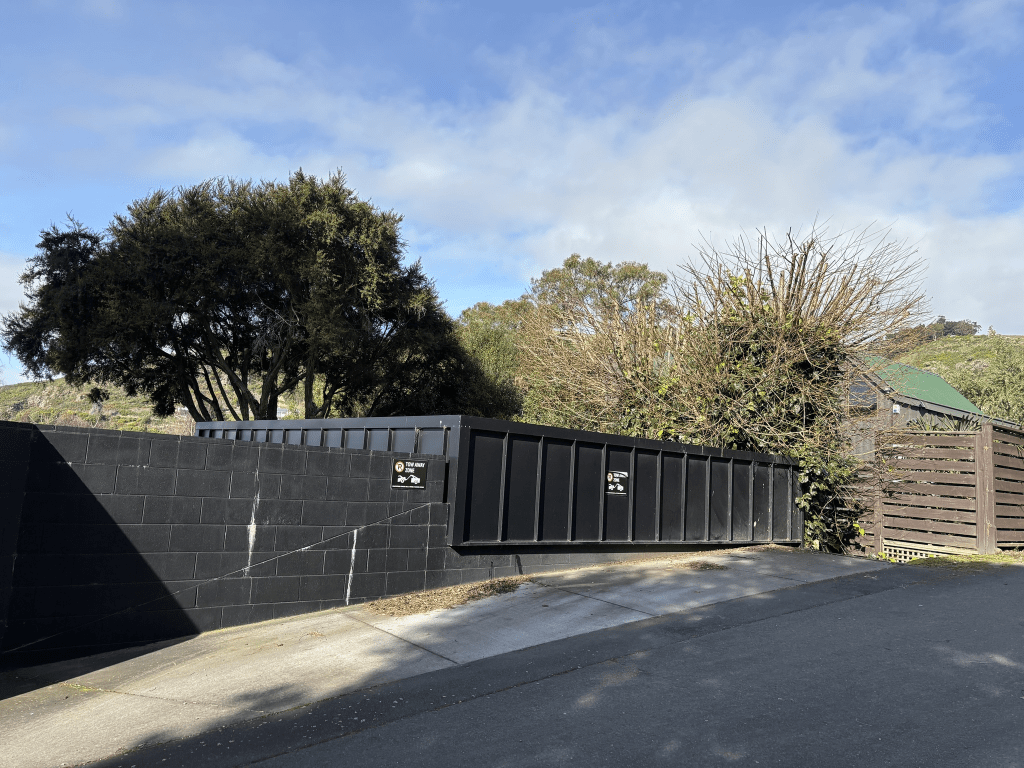
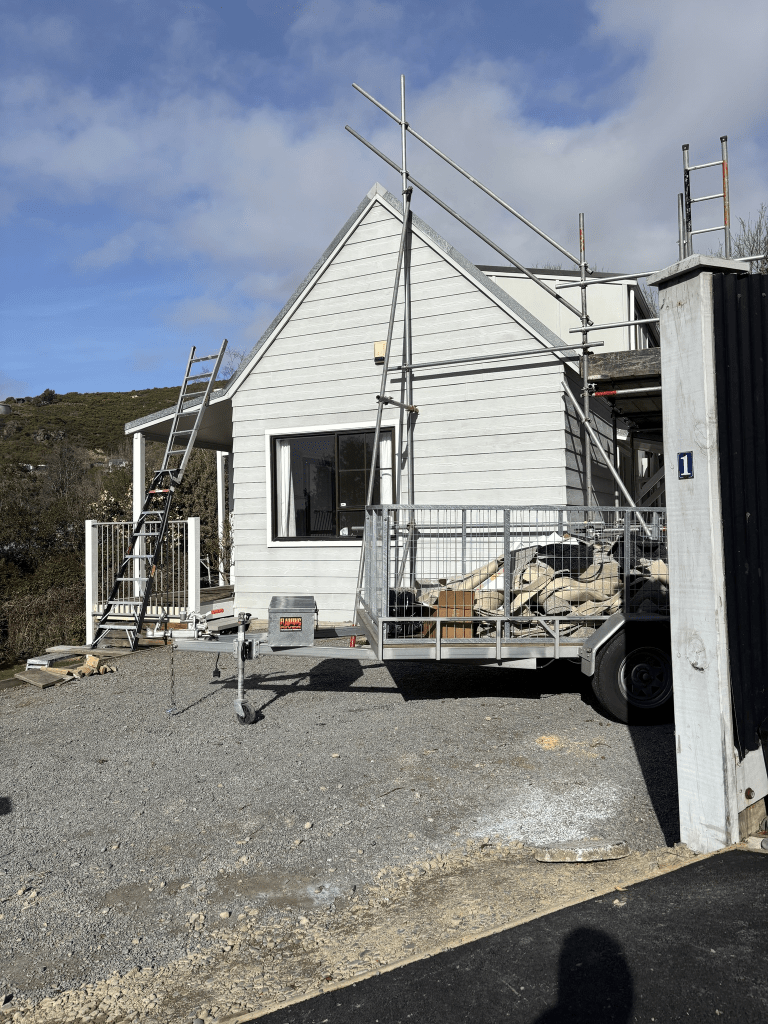
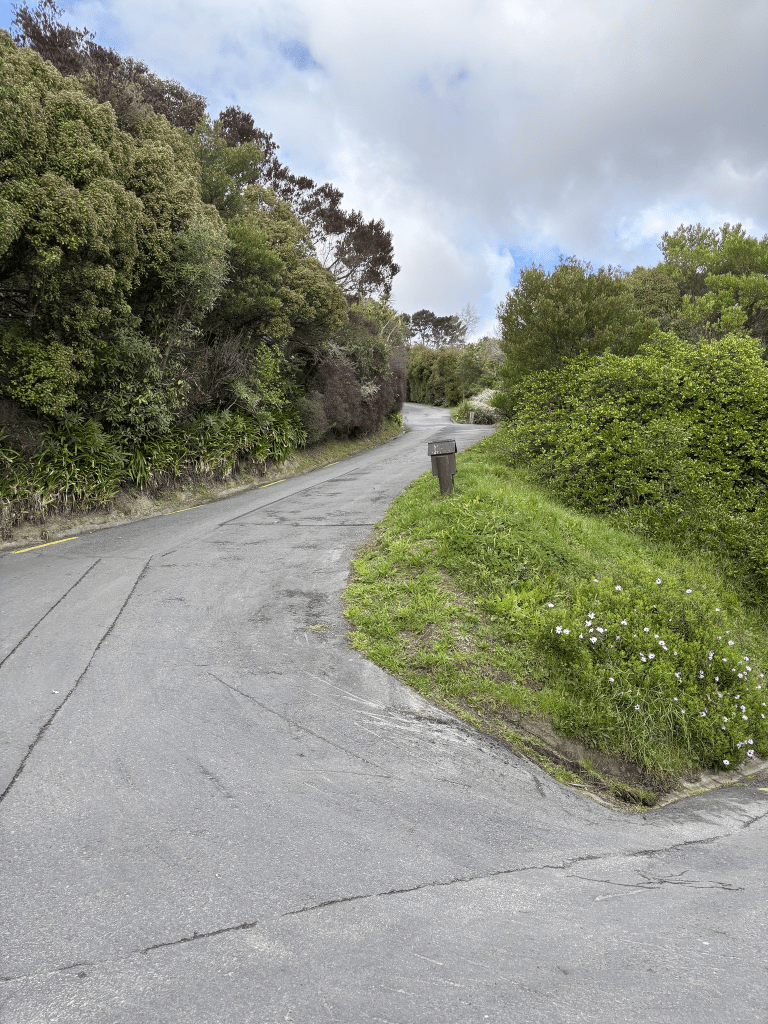
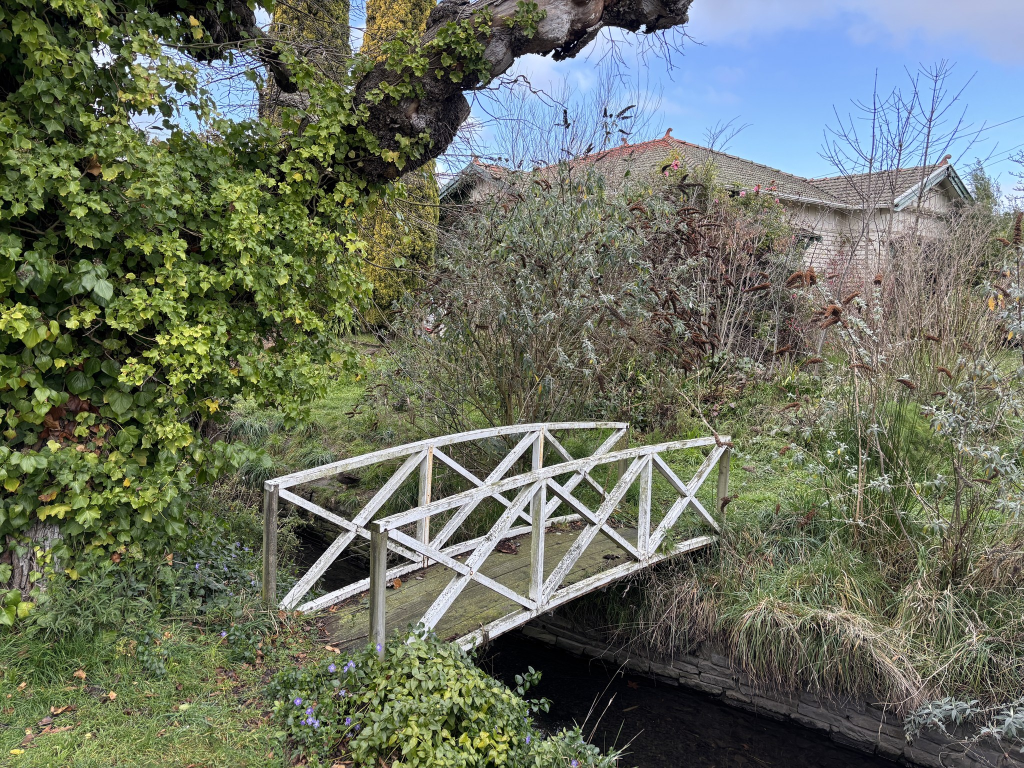
Glenelg Spur in Hillsborough – Named after Glenelg, the home there of Cecil Claude Morton Ollivier (1878- 1935). Ollivier was an accountant, and at the time of his death, one of the city’s best-known businessmen. He had bought the house, then called Raroa, from George Bowron in 1922, and re-named it Glenelg. The driveway leading up to the house became Glenelg Spur. After Ollivier’s death, Glenelg was purchased by the trustees of the King George V Memorial Fund Board, and, from 1 August 1939, it became a permanent health camp. First appears in street directories in 1946.

A reasonable amount from the library website. Cecil Ollivier was only 58 when he died after an illness of 8 months. He went to Christ’s College and bred race horses. Olliviers Road is named after his grandfather. Information about the health camp got a bit confusing with dates. A website about the camp said that it was opened in April 1945 and closed in 2012 because of the earthquakes. It was then rebuilt by a private charity and reopened in April 2014. There was an article in October 2011 about the Glenelg Health Camp School to close. It is now called Stand Tu Maia Christchurch Office. Several mentions in Papers Past when the property was acquired by King George V Memorial Fund Board in 1939. The big house to be remodelled and there were extensive grounds and a swimming pool. Article in 1941 said that little process had been made and the outbuildings had been destroyed by a fire. In 1944 they were going to sell the property but this obviously didn’t happen. There was an opening ceremony of the new wing in 1948.

In 1950 talk about a road from Centaurus Rd to the health camp. Road was mentioned again in 1954 when it was agreed to the formation of a public road subject to owners to give land for the road and for the health camp to contribute towards the costs.

Several scrub fires over the years. In 1987 there was one property that received two rate demands. The boundary run between the house and garage so they got a demand from the Christchurch Council and one from the Heathcote Council. In 1959 moa bones were found in a garden.

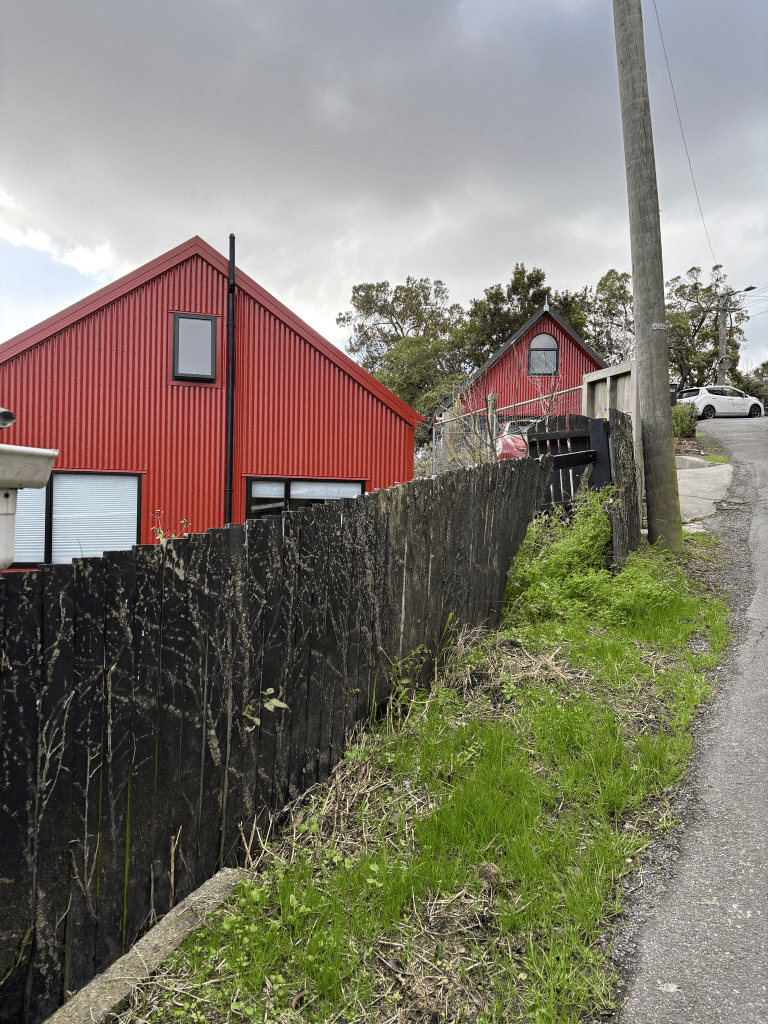
There is supposed to be a house here dating from 1920 but it was down a long driveway and I couldn’t see it. There are houses dating from 1930s but they were surrounded by tall trees. A few houses have been rebuilt after the earthquakes. Great views from this street. Decided that walking this street counts towards my monthly hill walking stats. Who remembers Health Stamps?

Huntlywood Terrace in the suburb of Hillsborough, Christchurch

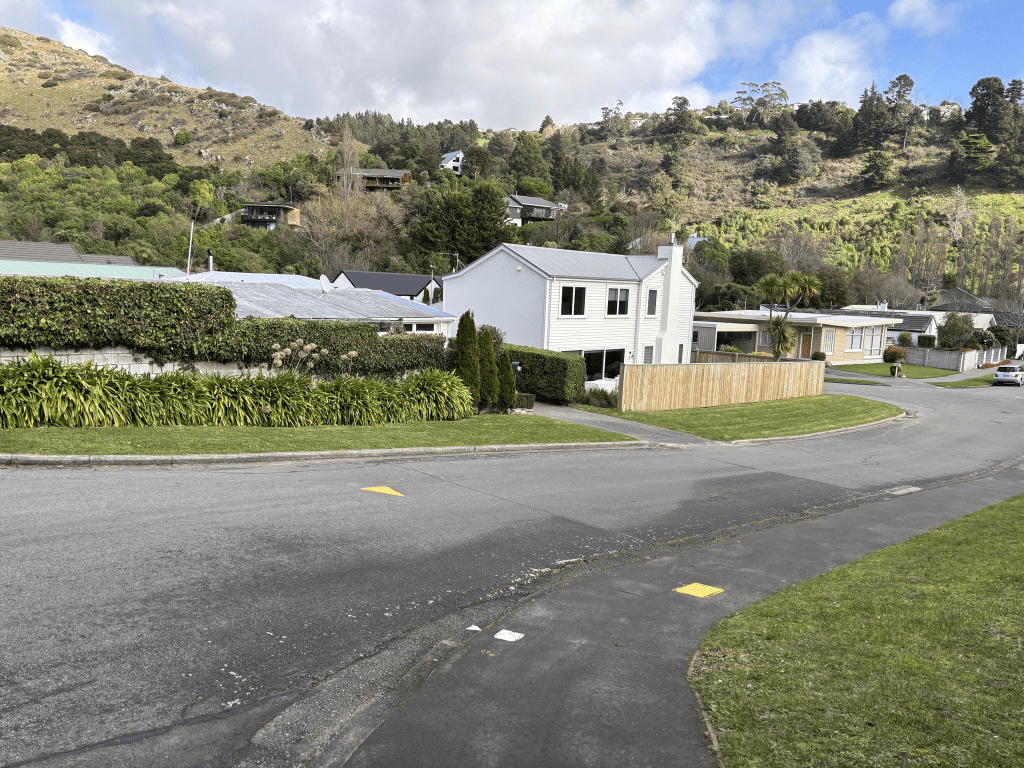
Huntlywood Terrace in Hillsborough and nothing on the library website. Huntlywood is a place near the Scottish borders. The houses here were built in the 1980s and 1990s with one possibly built later than that but suspect that it was a rebuild. Only two entries on Papers Past and they were two ads for selling houses in 1988.

Edited to say that when sections were being sold in 1975 going by the subdivision map this street was being called Eaglesham Place. Eaglesham is a place in Scotland. Couldn’t find anything on Papers Past about the name change to Huntlywood.

I had to walk on the road here as part of the footpath was full of rubbish bins and the rest of it was overgrown with plants. The only street view for this street was for 2019 and the footpath was completely clear. Great views here. Some of the houses have big retaining walls and I would love to know why part of one retaining wall seems to have a metal ladder. I was a good girl and didn’t climb it but I was very tempted. Feel free to correct me if I have any information wrong.

Kentallen Terrace in the suburb of Hillsborough, Christchurch

Kentallen Terrace in Hillsborough and nothing on the library website. Kentallen is a place in Scotland between Oban and Fort William so I will have driven through it at least twice. The valuation website said that the houses were built in 1980s plus one built in 2017. The only entries on Papers Past were a couple of death notices, a bankruptcy notice and school enrolment zones.

Great views from this street. One house had tow away signs on the fence and I am not surprised as it is a very narrow street. Big retaining walls below some of the houses.

Dalgarven in the suburb of Hillsborough, Christchurch

Dalgarven Place in Hillsborough and nothing on the library website. Dalgarven in a place in Scotland and I would have driven through it when going to Irvine to visit friends. The valuation website that I use had three houses here with the earliest being built in 1970. That is probably incorrect as Papers Past had ads in 1983 offering three sections for sale. I thought that there was a new house being built here but going by Google maps it has been there for a while. The three houses look different now compared to pre earthquake street view.

Edited to say that on a couple of maps for the subdivision in 1975 this street had the name Arden Place. No other entries for this name and I couldn’t find out why the name change.

Heybridge Lane in the suburb of Hillsborough, Christchurch

Heybridge Lane in Hillsborough and nothing on the library website which is surprising as most houses here were built in the 1960s. It was probably named after Heybridge in England. Earliest entry on Papers Past was an engagement notice in 1966. A few sections for sale in the 1960s. A few ads plus a mention of the proposed subdivision above Chorley Place as the developer planned on putting a road to connect with Heybridge Lane. This subdivision didn’t happen. There is a walkway to Vernon Tce here plus a track that meets up with the Vernon Track. A pleasant street and very convenient for a couple of hill walks.

Chorley Place in the suburb of Hillsborough, Christchurch

Chorley Place in Hillsborough and nothing on the library website. This was surprising as the houses here were built in the 1960s. The street is probably named after Chorley in England. Not much information on Papers Past and the earliest entry was a death notice in 1966. In 1977 there was a protest about a proposed subdivision that was going to be built above this street. The residents in the area were concerned about potential landslides. The proposed subdivision was eventually declined which was probably a good idea. There was a footpath on both sides of the street here which I always love. No photos as nothing jumped out at me. It was a pleasant well established street. I was surprised that I hadn’t already walked this street as I have already walked streets in the area.

Montgomery Terrace in the suburb of Hillsborough, Christchurch

Montgomery Tce in Hillsborough – Named after William Montgomery (1821-1914). Montgomery was a timber merchant and importer and the first chairman of the Heathcote Road Board. He later settled in Little River. First appears in street directories in 1946.

A small amount of information from the library website. William died in Little River aged 94 and he was born in London to Irish parents. Sadly his wife died in 1879 aged 43 and she possibly died in childbirth. He didn’t remarry. No scandals for this man.

Not a lot of information on Papers Past and the first entries were in 1957 when there was a dispute about road access. A landowner blocked access to the residents claiming that the residents had illegally built a road through his land. The residents said that the road had been there for at least 40 years. The dispute seemed to have arisen because a new house was being built. The residents eventually got access but it did involve lawyers. Lots of arguments about the status of the road whether it was a private or public road. The council maintained the road and they usually only did this for public roads. A letter to the editor complained about the steep goat track and a botched subdivision. The rest of the entries were mostly death notices and a few ads. There were a couple of grass fire and one of them was set by children.

There is at least one house that possibly dates from 1930s but I couldn’t get a good view of it. A couple from the 1960s and rest were built after 2013. These would have been rebuilds after the earthquakes. I don’t usually like modern houses but I did like one that was built in 2022. The original house here was probably demolished after the earthquakes but street view only goes back to 2019. So much for google maps promising to keep street view showing Christchurch before the earthquakes. Great views.

Erewhon Terrace in the suburb of Hillsborough, Christchurch

Erewhon Tce in Hillsborough – Named after Samuel Butler’s book Erewhon or Over the Range. The book is about Butler’s life on his high country station Mesopotamia. First appears in street directories in 1970.

A small amount of information from the library website. Very little information on Papers Past and in 1962 the unformed portion of Erewhon Terrace to be stopped. Same information in 1963 and 1964. In 1981 the land was rezoned from residential to rural. Sounds like the plan was for a much longer street but this didn’t happen. Only about10 properties here with a couple of houses from 1950s but rest date from 2018. Erewhon Terrace Recreation Reserve was mentioned a few times and I checked maps but can’t find a reserve. I only walked about 100 metres and then it was just driveways. Great views but a very narrow road. I had detoured slightly before meeting the walking group at the top of Rapaki Road. A bit surprised that I hadn’t already walked here as I have done Rapaki Road.

St Mary’s Home and St Saviour’s Orphanage and Churchill Courts

After researching Guild Street and Stapletons Road plus a online conversation with a friend I decided to research a building. Several hours later I can now write up the information. The story starts in Church Square in Addington where there is St Mary’s Home for girls. The church in Church Square is called St Mary’s. The earliest mention in Papers Past was in 1879. In 1897 there was a meeting about the lease of the building in Addington as the lease was terminating in the next year and there was a need for a more suitable premises. At least 50 girls from the home had gone on to lead virtuous and reputable lives and many had managed to be respectably married. There were only 5 cases of absolute failure. Nine girls had been transferred to the institution at Mount Magdala. The Church Property Trustees had offered a suitable site. St Mary’s obviously had a laundry as the profit from this was mentioned. It was to be hoped that a home in a less populous locality would benefit the girls.

The new site was at 73 Stapleton Road and in July 1898 the foundation stone was laid by Bishop Julius. In November 1898 there was the opening ceremony at the newly erected St Mary’s Home and Bishop Julius was at this opening ceremony. The first mention of St Saviour’s Guild is in 1898. Same year the old premises in Addington is to be sold. In 1899 the new chapel is opened by Bishop Julius. In 1899 a nightsoil contractor was charged with breaches of the Drainage Act. Instead of taking the sewage away he allowed it to flow into a natural watercourse. It was a clear running stream that ran past St Mary’s and into Dudley Creek. In 1904 with the completion of the Te Oranga Home girls were transferred from St Mary’s Home to the new home leaving only 11 immates in St Mary’s Home. In 1905 Nurse Maude was given permission to place a small water wheel in St Albans Creek at the back of the home.

The first mention of St Saviour’s was in 1910 and in 1911 St Saviour’s Guild confirmed that the work to convert St Mary’s Home into St Saviour’s Home for orphaned, neglected and destitute children had been completed. They were now in need of another building to house boys older than 8 years old. Reason for this was that there was a law that didn’t allow boys over 8 years old to remain in the same building as girls. In 1914 the Church Property Trustees granted to St Saviour’s Guild 5 acres of land fronting Stapletons Road and adjoined to the present orphanage premises. In 1915 Bishop Julius laid the foundation for the new wing for the Anglican Orphanage for girls. In 1916 Bishop Julius opened the new building. Note the boys never got a building for them at this site but they did get their own orphanage also called St Saviour’s Orphanage but in Timaru.

In 1918 an open air school was built adjunct to St Saviour’s Orphanage and was on Dudley Street. Also in 1918 40 out of 75 girls got influenza but luckily none of them died. The headline in the newspaper said that the girls had been attacked by influenza. In 1919 there was an outbreak of scarlet fever and the drains were blamed.

In 1929 there was an article about St Mary’s Home in Addington but the reporter got it wrong and called it St Saviour’s Orphanage. The home in Addington was never called St Saviour’s Orphanage. St Mary’s Home was on Poulson Street and went from Church Square to Cotterill Street. The land was known as Sewell Estate. The building was old and in bad repair and had been demolished. It was a wooden structure with old English gables. The Church Property Trustees had owned it when St Mary’s Home was using the property but when it was being sold in 1929 it was owned by the government. The land had been set aside to build a hospital called St Helen’s Hospital. It was decided to instead use the Essex Street site for a hospital. The land was sold for a housing subdivision. In 1930 it was agreed that the Education Board take over St Saviour’s Orphanage School and run it as a public school. The orphanage was placed in quarantine because of a scarlet fever outbreak. In 1945 a new wing was built to replace the old wooden St Mary’s Home plus the large brick building and chapel built in 1915 were upgraded. The home now holds 73 girls.

There were lots of entries in Papers Past over the decades because of all the fundraising efforts by the St Saviour’s Guild. Several people left money to the home in their wills.

In 1952 the old people at Howardville in Burnham had to be moved because the army were moving there. The old people went to various places and some were moved to St Saviour’s Orphanage. The Church were willing to move the children and use the building for a home for the aged. In 1954 Churchill Courts is the name for the former St Saviour’s Children’s Home. The children were rehoused in cottage homes under the supervision of cottage mothers. The reason for the Churchill name will be because Bishop Julius’s name was Churchill Julius. In 1961 a new 27 bed hospital was built plus a nurse’s home. In 1964 there was an appeal launched for renovating the chapel as it had been built for the children and would now be a parish church for the old people. There was a long waiting list for people wanting to live at Churchill Courts. I was surprised to see a death notice in 1973 for a Thomas Cave and no it wasn’t my father. In 1985 new ownership flats to be built in the grounds In 1989 a new psycho-geriatric unit to be built. Note it was a dementia unit.

Most entries from 1960s onwards were death notices. Churchill Courts didn’t survive the earthquakes and the historic chapel was badly damaged in the September earthquake and had to be demolished. Some of the elderly were moved to other homes after that earthquake. After the February earthquakes Churchill Courts was evacuated and 19 residents were taken by bus to Geraldine and Temuka. A further 20 residents in the dementia unit were moved but the article didn’t say where they went. After the February earthquakes they lost power, water supply, phones and sewage. Liquefaction caused huge problems and the buildings slumped.

After being an empty abandoned site for many years after the earthquakes the site is now home to social housing. There were a couple of good articles about the new housing. The address for the social housing is 40 Guild Street and this had me wondering why as St Saviour’s Orphanage was at 73 Stapletons Road. A few ads in the 1980s solved the problem for me. Churchill Court had the address 73 Stapletons Road. The Churchill Hospital and nurse’s home had the address of 40 Guild Street. The current entrance at 73 Stapleton Road has those rising bollards blocking it and the main entrance is on Guild Street.

Stapletons Road in the suburb of Richmond, Christchurch

Stapletons Road in Richmond – Named after Thomas Stapleton (1826-1895). Stapleton, a gentleman, was a sawyer and “poultry enthusiast”. He died at his home in Stapletons Road. First appears in street directories in 1887.

A small amount of information from the library website. Any street name with an s on the end usually means it was named after a person. Eventually the apostrophe stops being used. Thomas Stapleton lived on North Stanmore Rd and his address eventually became Stapleton Road. The church owned a huge amount of land in this area and I couldn’t tell from maps where the boundary was between his property and church property. Thomas Stapleton had freehold land and at least one leasehold property so it is possible that he leased this property from the church. He resigned as treasurer of the Poultry Society in 1889 and wasn’t mentioned but I suspect that it would have been for health reason. His death notice in 1895 mentioned that he died aged 69 from a long and painful illness. No scandals or bankruptcy issues for Thomas Stapleton which makes a change for someone who has a street named after them in Christchurch.

There was a large amount of information on Papers Past and the earliest entries I found was in 1879 which is a bit earlier than what the library claims. The residents requested that the bridge over Dudley Creek be wider. The Road Board had ads calling for tenders for shingling the road plus either altering the existing bridge or building a new one. In 1882 the bridge was closed for repairs. Bridges feature a lot on this street and in 1885 Mr T Codling was asking for a bridge over Dudley Creek. In 1886 the Road Board was calling for tenders for building a bridge over Dudley Creek. I suspect that this was a bridge that was at the Shirley Road end of the street. In 1899 the bridge on Shirley Road at the corner of Stapleton Road was closed for repairs. In the same year a resident was requesting a culvert because of drainage issues. The Drainage Board basically said not their problem.

Looks like there was a least one pig farm on this road plus two or three dairy farms. I know that there was a butcher on the street as in 1882 he requested that a Mr M’Connell remove his filly from his paddocks or he will sell it. A few complaints about the state of the road over the years. In 1912 the church had a big subdivision in this area. In 1925 sewers were laid. In 1912 when the church land was sold off a Mr Daniel Neil bought up a big block of land and in 1925 he subdivided the land and sold off the sections. In 1926 relief workers were sent to this street to fell trees. Relief workers were frequently mentioned in Christchurch in the 1920s. In 1926 the street was described as a narrow winding lane and tenders were called for widening the street. In 1928 the residents of this street and surrounding streets were very upset to be included in the Kaiapoi electorate. In 1927 the sewer was being laid to the new pumping station. A letter to the editor in 1951 was from a man complaining about noise from backyard businesses and he wanted them to be moved. A hand grenade with the pin still in it was found in Dudley Creek in 1961. After this it was mostly death especially because of an old age care home on this street. I am going to do a separate write for that property. I was surprised to see a name that I knew in the death notices and it was in 1979 for Flora Sneddon a Lyttelton person.

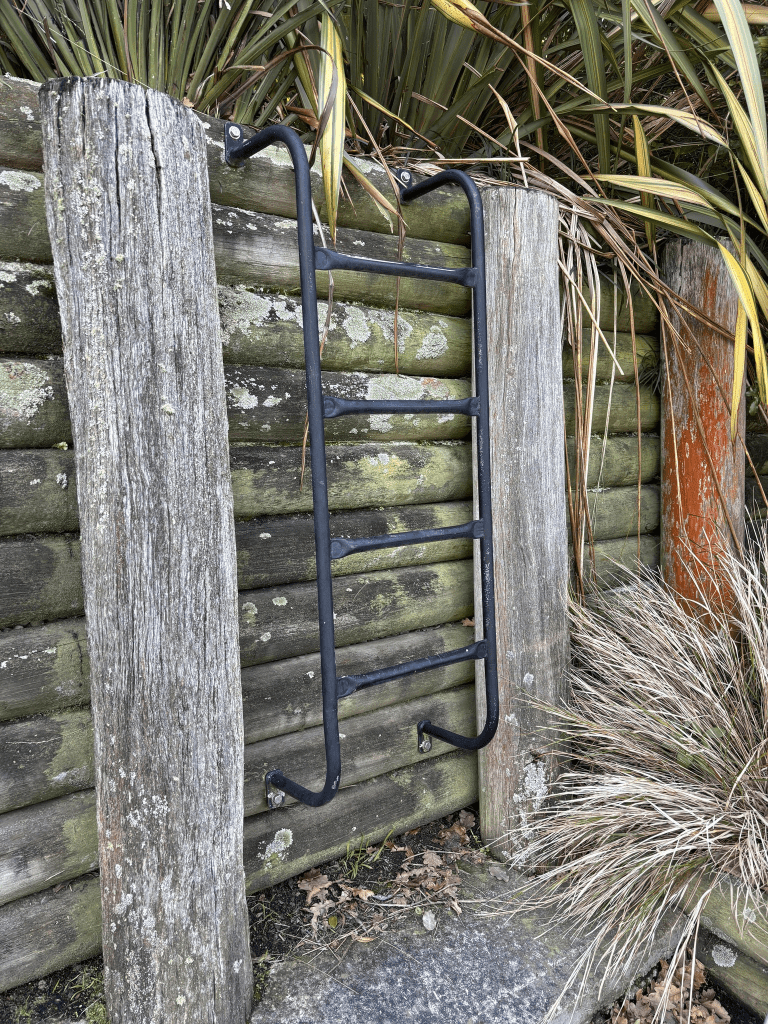
A large number of houses on this street are from the 1920s with two houses dating from 1910. One of the houses from 1910 is in a very sad condition and I did take photos of it. I also managed to get a photo of a house from 1915 and it is lovely. The houses cover most decades. I started my walk at Shirley Rd and these days you can’t tell but there used to be a bridge here as it goes over a drain or creek. These days it is a large culvert. Dudley Creek follows most of the road until near Dudley Street. Houses on that side of the street have bridges over the creek. Two of the streets that run off Stapleton Road only have footbridges now as it was considered too expensive to repair the road bridges. My map only shows Dudley Creek going along this road from Julius Terrace to just before Dudley Street but there is definitely a creek going from Shirley Road to Julius Terrace. The pumping station that was built in 1927 is still on the street and I did take a photo of it. There are some lovely houses on this street. The street ends at North Avon Road.