Azara Way in Wigram and too new for the library website. I also couldn’t find it on the council website. The street is probably named after the azara plant / tree.
Nothing stood out for me on this street and I didn’t take any photos. They were ordinary looking modern houses with mostly lawns but a few had gardens.
Brusio Drive in Wigram and nothing on the library website. Information from the council website – Brusio is a small village in the Swiss Alps in the canton of Graubunden. It is 25 kilometres from the Italian border and the language spoken is Italian or Romanish. The Dellaca family’s ancestors came from this village.
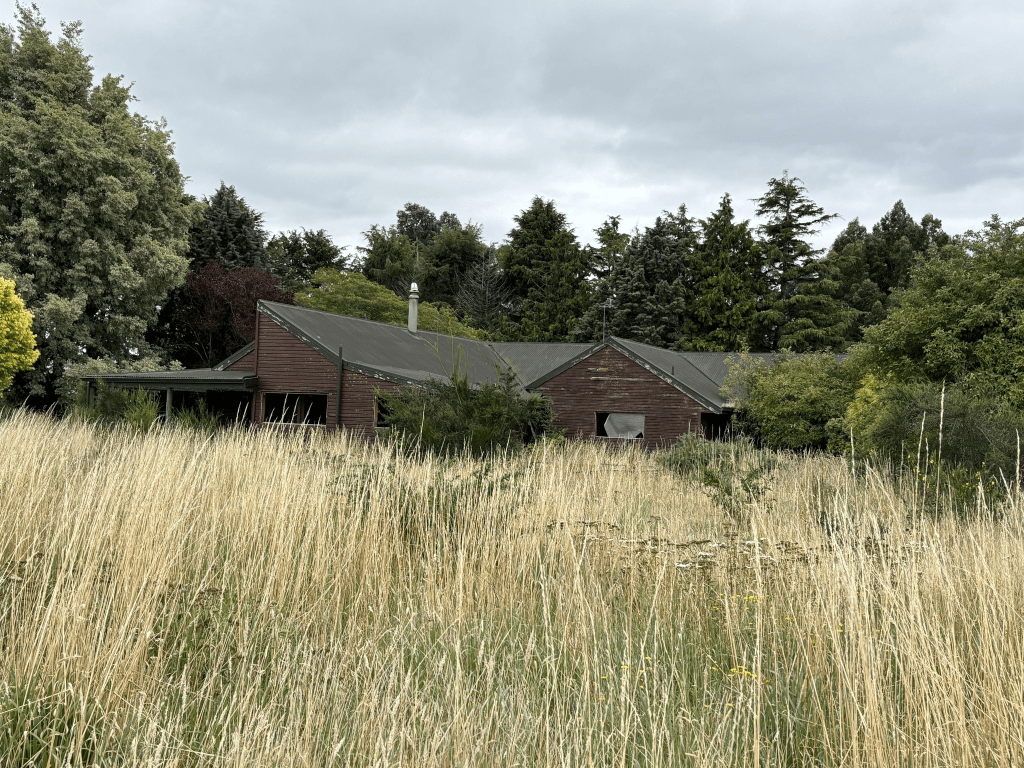
I mentioned this street in 2020 but it was only partially developed then. In 2020 it only started at Barbara Joan Rd and turned into Myrtle Rd. It now goes from Barbara Joan Rd to Owaka Rd. The houses here were built between 2017 and 2023. None of the houses stood out for me but a couple had interesting gardens. I didn’t manage any photos of the interesting gardens. There is a big empty patch of ground that hasn’t been developed yet. There was a rundown house on this patch of land which technically has a Owaka Rd address. Street view from 2019 show a really nice lived in house with a well kept garden and driveway.
Romanee Lane in Wigram – Named after a person connected to the Mauger family. The Maugers have been longstanding contractors and developers throughout Canterbury.
A small amount of information from the new library website. This surprised me as none of the other streets in the area are on the library website and they are older than this street. I also expected the name to be connected to the Dellaca family as there is a walkway to this street from Brusio Drive. I searched Ancestry website for both families with no luck. I did find someone with the name Romanee who lives in the Wigram area and they had a very unusual surname. I couldn’t find any connection to the Mauger family with the Ancestry website that I use.
None of the houses stood out for me. They were neat and tidy modern houses with lawns. The street had a footpath on only one side of the street. The side which had the footpath had a very wide grassy area next to the footpath so there would have been plenty of room for a footpath on both sides of the street.
William Dawson Crescent in Wigram and too new for library website. Council website didn’t give a reason for the street name. Between Papers Past and Ancestry website I found a William Henry Dawson who was a farmer in the area.
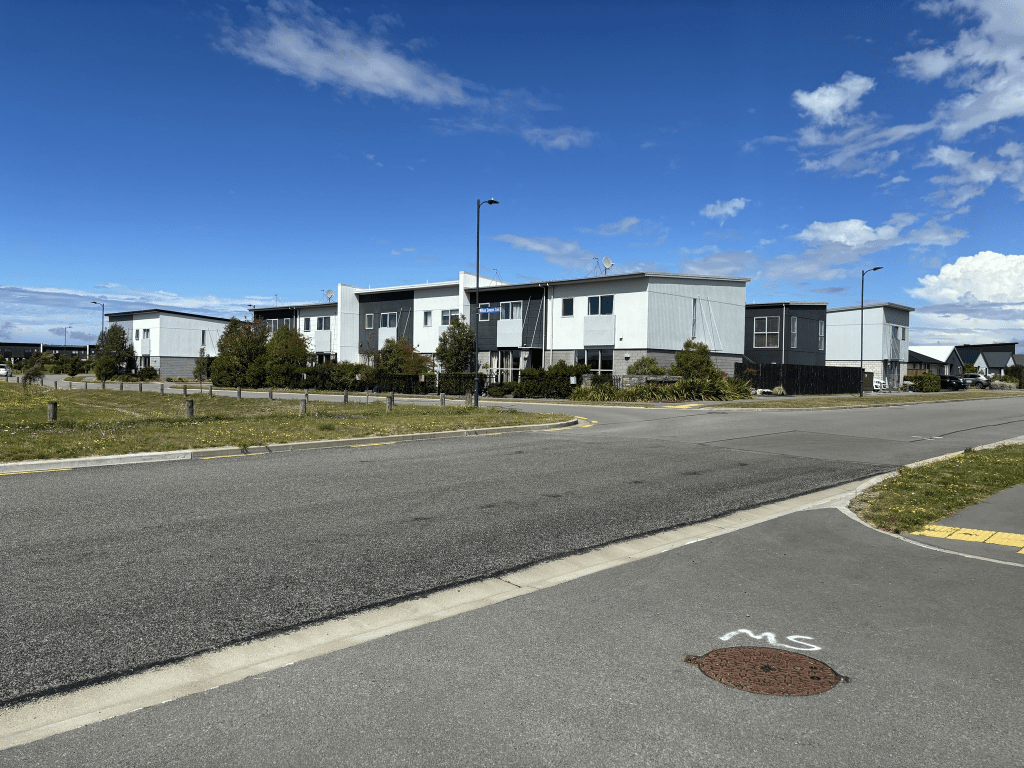
The houses here were built between 2016 and 2018 and they are ugly modern houses with only a tiny bit of lawn in front of them. Part of the street has a reserve running beside it and most of the street has a footpath on both sides. I still wouldn’t like to live here.
Tippet Crescent in Wigram and too new for library website. The council website didn’t give a reason for the name of the street. Between Ancestry website and Papers Past I found several people with the Tippet surname who farmed on Middle Lincoln Rd. Middle Lincoln Rd is now Wigram Rd.
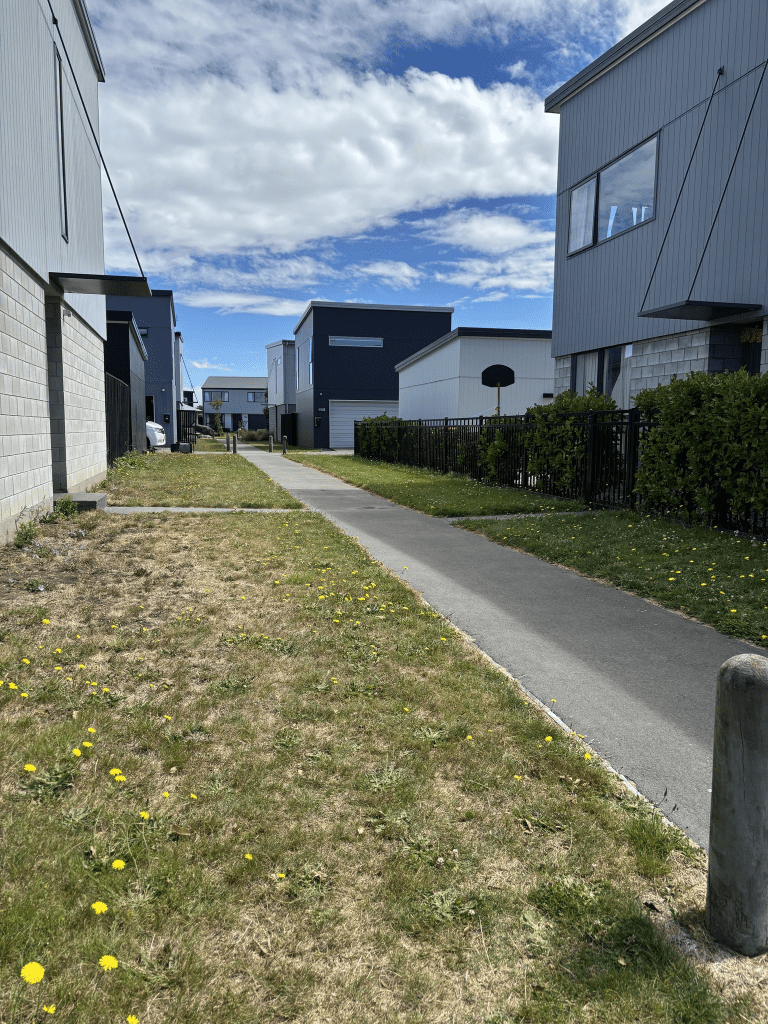
The houses here are mostly on only one side of the street as there is a reserve on the other side of the street. The street runs from William Dawson Crescent and then rejoins William Dawson Crescent. About half way along the street there is a walkway that takes you to Kopiko Reserve. The houses here were horrible with a very tiny space in the front. Hope that they have good sound proofing as they are so close to each other. No I didn’t like the street or houses here. I also get grumpy when cars block the footpath.
Woodcock Road in Wigram and too new for library website. I couldn’t find the reason for the street name on the council website but personally I feel that it was probably named after a person. I searched the Ancestry website and found several people with that surname but none who lived in the area. At least one of them was a builder.
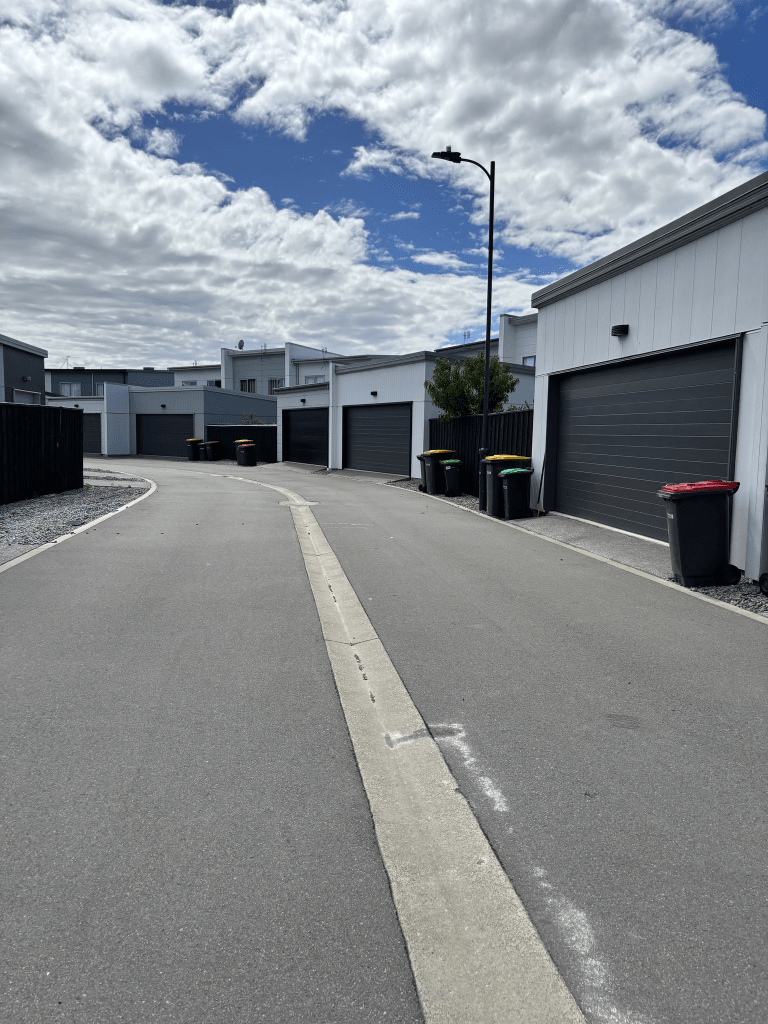
This was a weird street was it only seemed to be a row of garages. I did walk it but didn’t feel very safe as there wasn’t a footpath. There were houses but you couldn’t tell that there were houses because they were hidden behind the garages. I would hate to live here.
Mays Road in St Albans – formerly May’s Road. Named after George May (1831-1917). May’s Road first appears in the Star in 1882 when land there is advertised for sale. May, a carrier, is a resident of the street in 1890 when it first appears in street directories. He later farmed at Broadfield.
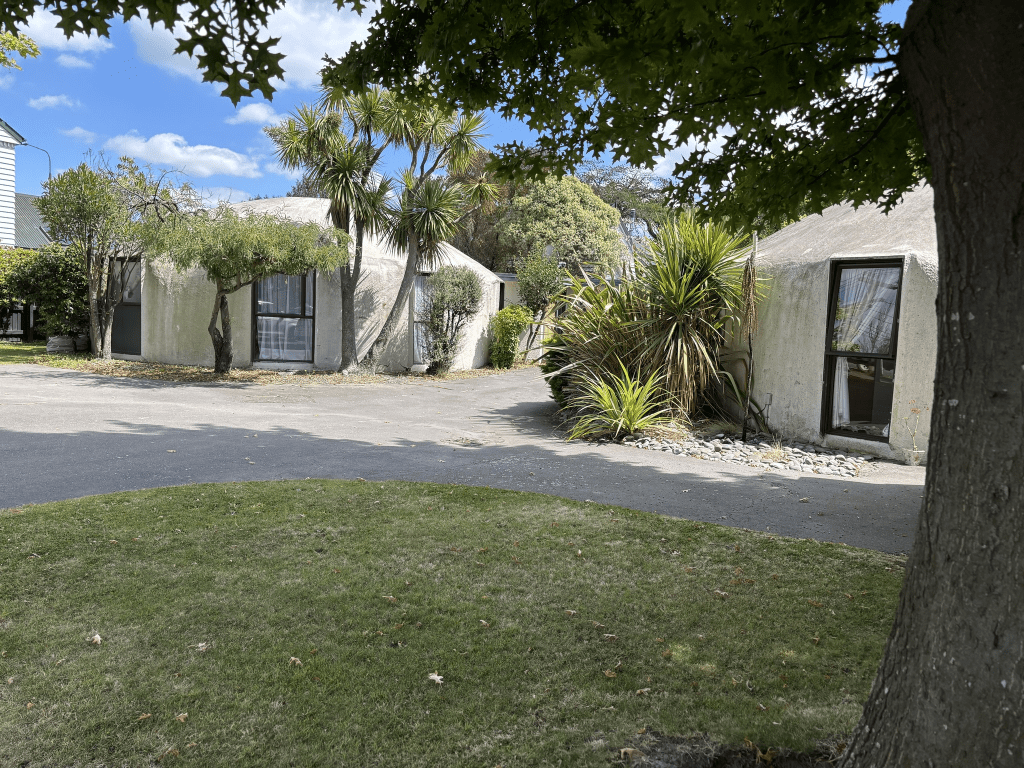
A small amount of information from the library website. There was an obituary for George May in 1917. He came to New Zealand in 1955 on a ship called Cashmere. He was a carrier before moving to Broadfields and Weedons. He was musical and sung in church choirs. I was amused to see that he was bankrupt in 1871. So many streets in Christchurch are named after men who went bankrupt. There was also a May’s Rd in North Canterbury. A large amount of information in Papers Past and in 1882 there were sections for sale. In 1885 there was an argument about the payment for the formation of the road as the Avon Road Board declined to pay for it. There were three names mentioned of people living on the street who also had streets named after them. Mrs Rountree, G W Bretts and Tomes family. In 1892 there were complaints about water lying on the sections because of a deficient drainage. I sidetracked a bit in December 1913 when a camp called May’s Camp was mentioned. It was set up at the beginning of December when a resident granted the strike committee use of a large paddock to use as a camp. On the 29th December 1913 the big marquee was taken down but a few men stayed on in small tents. I doublechecked that it was the same street as it seemed a strange place to have a camp for Lyttelton waterfront strikers. There was a school called Crofton Lea mentioned in the 1930s. Drainage issues seemed to be a problem in the 1930s. There was a further subdivision on the street on land that was owned by C G Dalley. There was a huge number of birth and death notices. There was a lot of information about bus routes as Mays Rd was a main route. Over the years there were several accidents especially on the corner of Mays Rd and Papanui Rd or Mays Rd and Rutland St. It was entries in 1981 that caught my attention as they were about 3 dome shaped houses that had been built on the street. Most entries involved complaints from the residents. The residents felt that the houses would damage the residential character of the street. They also said that such houses would attract younger owners and that they would disturb older residents.
There was about 130 houses on the street dating from 1905 to 2021 with a huge variety of styles. I couldn’t see the house from 1905 as it was on a back section. There were still some lovely older houses but there were also some ugly modern houses. The houses that interested me were the dome shaped houses as they were so different.
Chapter Street in St Albans – Named after a position in the Anglican church. A chapter is the name given to the clergy associated with a cathedral. It usually consists of the dean of the cathedral and residentiary canons. One of a number of streets with names with Anglican associations, chosen when the Church Property Trustees sold their land. Dedicated in 1907. First appears in street directories in 1908.
A reasonable amount of information from the library website and nothing that I can add about the name of the street. Huge number of entries on Papers Past and this was because of the status of the people who lived on this street. Many of the entries related to the social activities of the residents. Their social events were recorded along with who was visiting them plus reporting them going away on holiday. Many had holiday homes and it would be mentioned whenever they went to stay at their baches / holiday homes. There were many death notices as well as other family notices such as births and weddings. Between 1908 and 1910 there were a huge number of ads for the sale of sections. During World War One an artist Frederick Saxby Candy was mentioned. I couldn’t find out much more information about him. I was hoping to find examples of his artwork but google will only give me images of lollies because of Americans using the word candy for lollies/ sweets. Very annoying.
In 1926 there was a further subdivision of church land and the street was extended to Rutland St. In the 1930s there were a few mentions of a couple of suicides and the men were involved in the finance industry.
In 1945 Rev Brittan died aged 97 and he came out to New Zealand as a two year child with his family. There were a fair number of people connected to the Anglican church living on this street. Many of the family names from this street are still well known surnames in Christchurch.
Entries from 1950s onwards were mostly death notices.
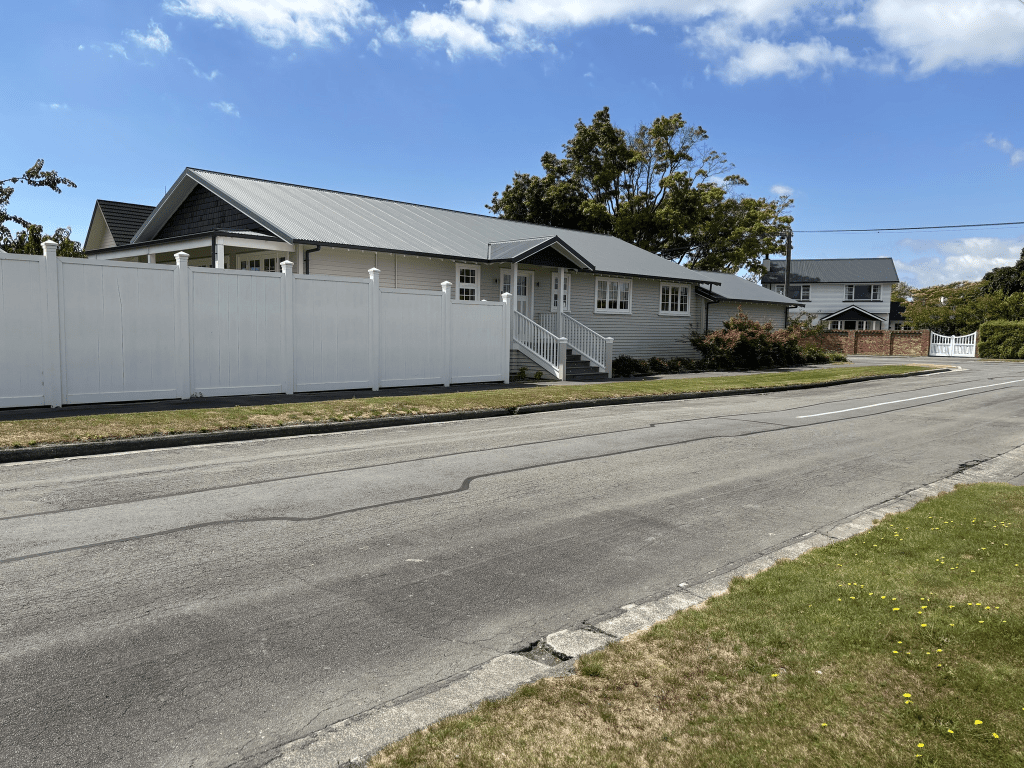
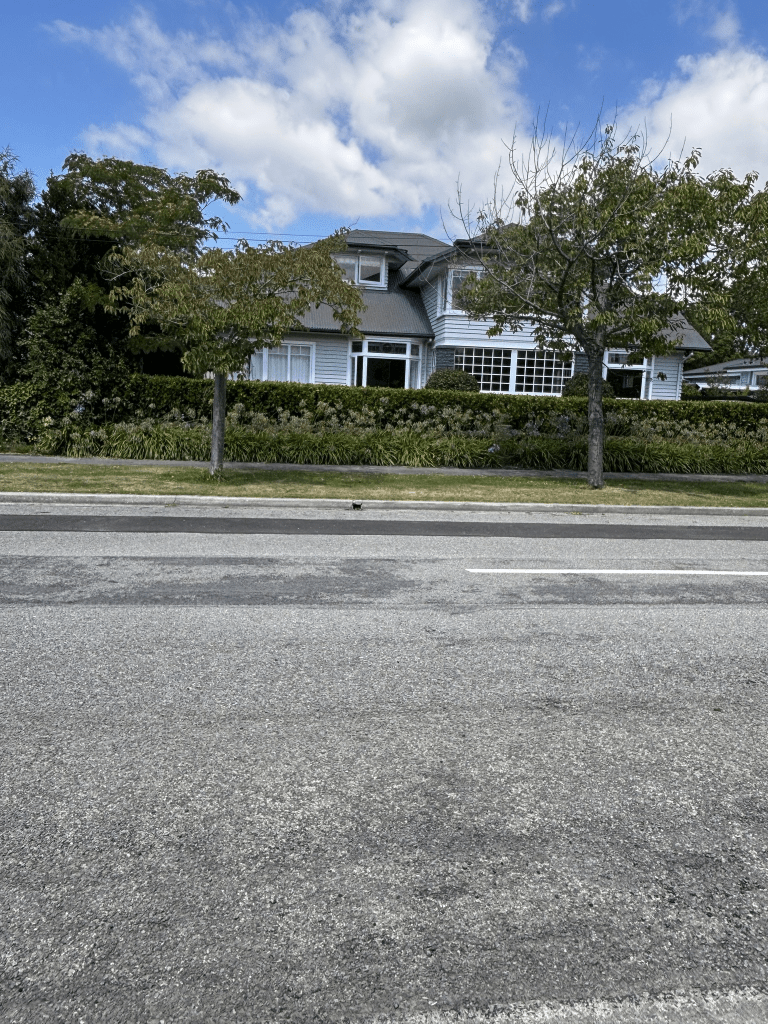
This is a street with seriously gorgeous houses on it but I only managed a couple of photos. Some of the houses have been demolished after the earthquakes and replaced with ugly modern houses that don’t fit in with the character of the street. These houses really ruin the look of a lovely street. A huge number of the houses date between 1905 and 1930s. I wish that I could have got a photo of one of the houses from 1905 as it was gorgeous with a fantastic garden but the view was blocked by a vehicle. I looked at street view but an aged concern vehicle was blocking the view of the house. Tempted to go back to the street just to get a photo. There was another gorgeous house from 1910 but there was a huge big truck in the driveway plus blocking the footpath. It better not be getting demolished. Loved the street but the houses would be well beyond my price range plus I actually like living within walking distance of the central city. I am also within walking distance of the hospital and yes I am still in my son’s bad books for walking to the hospital when I had that weird illness last year.
Tavendale Place in St Albans – Formed on land previously owned by Ernest Alexander Ching (1910?-1969), a carpenter. In 1957 he is listed as living at 117 Mays Road where this street was formed. Named in 1955. First appears in street directories in 1960.
A reasonable amount of information from the library but I couldn’t find out why it was called Tavendale. Probably named after a person but I couldn’t find out who it was named after. I couldn’t find a link with Ernest Ching. Ernest was born in Kaiapoi in 1918. He was a conscientious objector in World War Two and he was granted a divorce from his wife in 1965. It didn’t give a reason for the divorce which was unusual for those days. He was living with his mother after his divorce and was living with her when he died. This would have made him only 51 when he died. None of the family trees on Ancestry website mentions the divorce. Both Ernest and his wife Dorothy appeared in court occasionally on minor charges.
Nothing much in Papers Past about the street just a few death notices and a few ads.
Most houses were built in the 1950s and a couple were demolished after the earthquakes and rebuilt. Footpath on both sides of the road and it seemed like a pleasant street.
Mathias Street in St Albans – Named after Archdeacon Octavius Mathias (1805-1864). Mathias was the vicar of Christchurch and the commissary of Bishop Selwyn. Formed on land that had been originally owned by the Anglican diocese. Described as a “new” street in The Press in 1926 when the Church Property Trustees advertises sections for sale in their St Albans West subdivision. First appears in street directories in 1938.
A reasonable amount of information from the library website. Interesting that the library website calls him the vicar of Christchurch. Articles on Papers Past give him the title of Archdeacon of Akaroa. Previously he was Rector of Canterbury. He was living at Willow Lodge in Riccarton when he died aged 59.
Not a huge amount of information on Papers Past plus there was a street with the same name in Darfield. In 1926 there were several ads for the Church Property subdivision sections. There were still ads for the sale of sections in the 1930s plus mention of best garden awards. In the 1940s, 1950s and 1960s it was mostly best garden awards mentioned. A few death notices.
Most of the houses on this short street were built in 1930 and there was a house that was supposed to have been built in 2023 but it is probably a 1930s house that has been modernised. This was a pleasant tree lined street with some lovely houses.


 Lytteltonwitch's Walking the streets of Christchurch Project