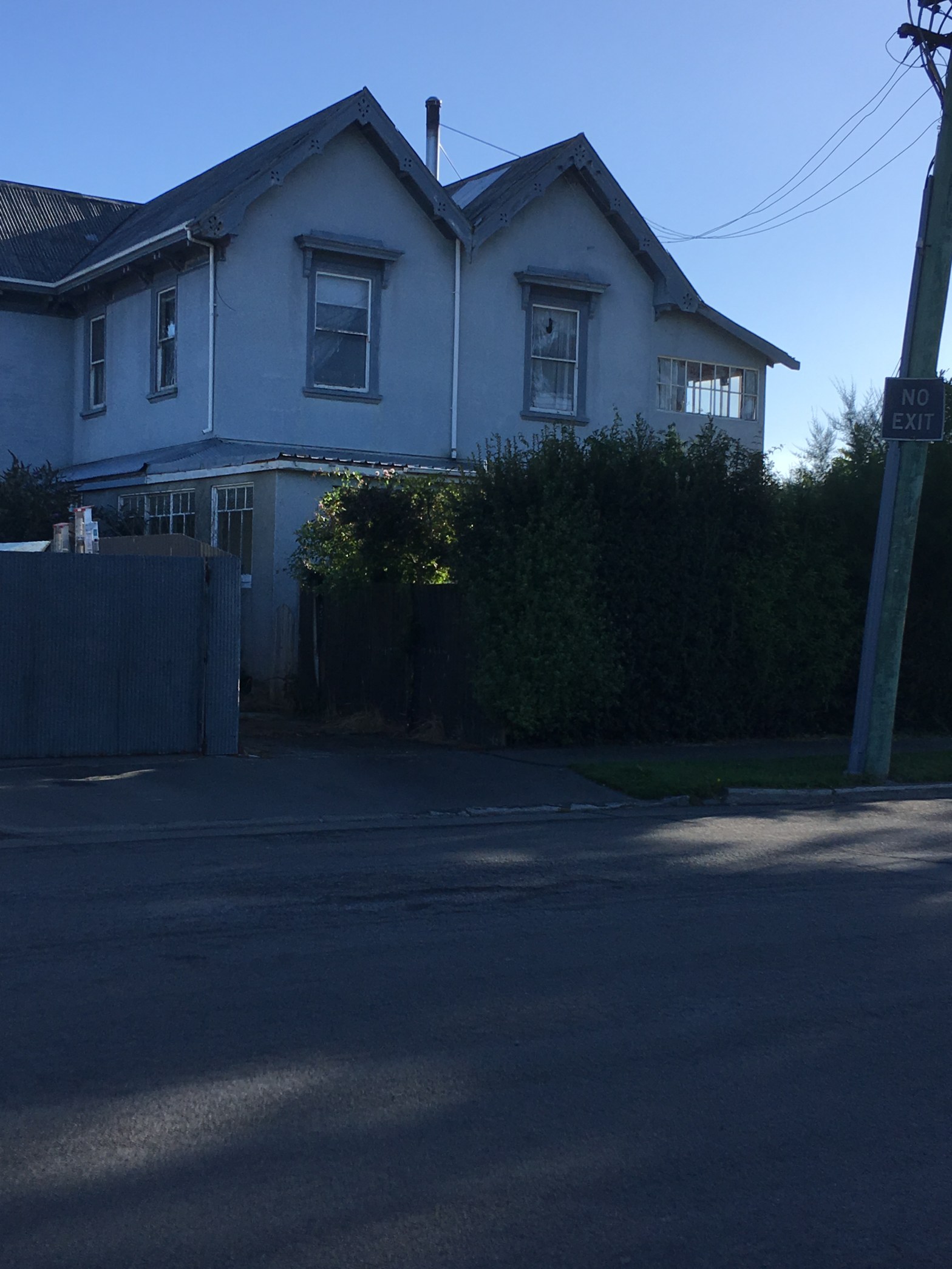
Sumner Street in the suburb of Spreydon, Christchurch

Sumner Street – Formerly Bowden Street. Re-named Sumner Street in 1912 at the request of the South Christchurch Estate Company Ltd. Sumner was President of the Canterbury Association and Archbishop of Canterbury. Named after John Bird Sumner (1780-1862).

A wee bit of information from the library website. This street had a mixture of houses. There were the older weatherboard houses. Ones that that had been roughcasted. Some brick houses. Most were in reasonable condition but a few were rundown and needing tidying up. One weatherboard house was painted in Otago colours of yellow and blue. Most of the older properties had been subdivided but they didn’t look as good as Hinemoa or Harker St subdivisions. There was one brand new house that I didn’t like and it has a style that I have nicknamed toilet block style.

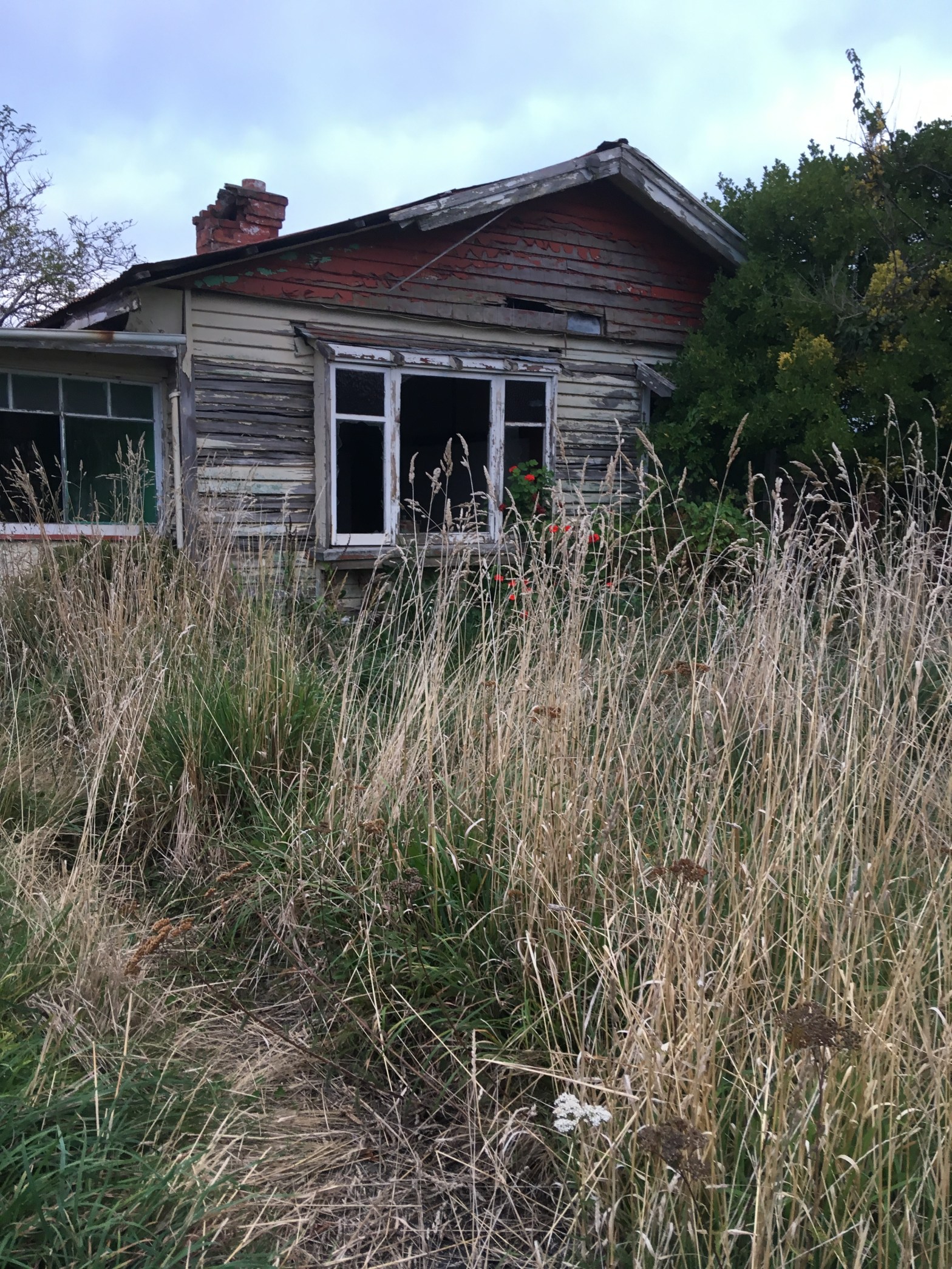
Harker Street in the suburb of Spreydon, Christchurch

Harker Street – Swinchatt Street was renamed Harker Street formally by the Spreydon Road Board in 1911 although Harker Street had appeared in the Star in 1902. May be named after Thomas Henry Harker (1871-1952). Harker was a manager and also a well-known athlete and swimmer

A little bit of information from the library website about this street. The houses were mostly older weatherboard houses in good condition. A few had been roughcasted but not as many as in Plunket Street. A couple had had different cladding used that looks like weatherboard.
One house was obviously not occupied and the neighbour said that if they had enough money they would buy it and demolish it.

Hinemoa Street in the suburb of Spreydon, Christchurch

Hinemoa Street – Developed by Maurice Buckley Ryan (1878?- 1940), a contractor.
Not much information on the library website. This was a nice street with mostly weatherboard older houses in good condition. Most of them had been subdivided and had newer houses built at the back of the older houses.There were a couple of brick houses. I also got an idea for my garden from a lovely garden in this street. I would have taken a photo but the owners were in view and people tend to not like you taking photos of their houses. The name Hinemoa is from a Maori legend.

Johnson Street in the suburb of Sydenham, Christchurch

Johnson Street -Named after Samuel Johnson (1709-1784). Johnson was an English writer. One of the “poets and writers” streets of Sydenham, Addington and Waltham named by a committee of the Sydenham Borough Council on 19 January 1880.
A small amount of information from the library website. There were rundown houses one side and City Care depot on the other side. This road leads to the back of Nazareth House and Sydenham Park.

Rosewarne Street in the suburb of Spreydon, Christchurch

Rosewarne Street – formerly Rosewarne’s Paddock. Named after Joseph Rosewarne (1829-1909). Rosewarne was a butcher of Victoria Street who died at his residence 261 Montreal Street. He owned several parcels of land in Christchurch; a butcher would have needed paddocks for stock.

A reasonable amount of information from the library website. This street had a mixture of every style house you could think of. Older wooden villas, workers cottages, modern brick townhouses, roughcast houses and summerhill stone. A few in-fill houses. This is where someone has subdivided a larger property leaving the original house in the front. Walking was difficult here as so many cars were parked on the footpath. There was one set of modern town houses I would hate to live in as someone in one of them obviously has a set of drums. The street runs from Simeon St to Selwyn St. The Selwyn St end has a big empty section where there used to be a block of shops.

Spring Grove Street in the suburb of Spreydon, Christchurch

Spring Grove Street – Named after the Spring Grove Estate. The property was then owned by Mrs Robert Moffett. She was probably Margaret Moffett (1860?-1916), wife of Robert Shaw Moffett (1842?-1917).

A wee bit of information from the library website. A small street that looks like a continuation of Redruth Ave. Older wooden villas and a couple of brick places.

Barrowclough Street in the suburb of Hoon Hay, Christchurch

Barrowclough Street -Named after Harold Eric Barrowclough (1894-1972) – Barrowclough was a military leader, lawyer and chief justice to the Bench. In a 145-acre housing subdivision planned by the housing division of the Ministry of Works. The land was purchased from the Church Property Trustees and the Loughnan estate. In 1968 the street names sub-committee of the council felt that as Halswell was named after a prominent English Queen’s Counsel it would be appropriate to record the names of judges in street names there. Many of them had been QCs or KCs before appointment to the Bench.

The information from the library was similar to the nearby Stanton Crescent. The houses were a bit more varied here as there was summerhill stone, concrete block, brick and a couple in a material that I don’t know the name for but possibly a form of polite.Yes I checked the spelling of polite and it is correct and it is a form of building cladding. There was at least one house that looked like a recent rebuild. Most of the houses looked OK and there were a couple of nice gardens but there were some rundown looking places. This street runs from Henderson Rd to Rowley Ave and on the Rowley Ave corner there is a Bible Chapel. There was a letterbox that I quite liked.

Coppell Place in the suburb of Hillmorton, Christchurch

There was nothing on the library website for Coppell Place in Hillmorton. Some websites have it in Hoon Hay but I would have it in Hillmorton as the shops here are called the Hillmorton Shops. I checked Papers Past to see if I could find out anything but nothing. There was a Captain Coppell who had a Kaiapoi and Heathcote link plus a Coppell’s Cottage. As Coppell Place is on the Heathcote River it is possible that this is where the name comes from. The river is more of a stream here rather than a river. It is a tiny street with shops mostly takeaway food. There is a vet and a couple of hairdressers. There is a chemist shop here and both my sons had after school jobs at the chemist. My older son also worked at the bakery and this bakery has been here a long time. The sushi shop is where the Post Office/ Postbank used to be. It was a convenient Post Office/ Postbank to work at for me as it was close to home plus the school where the boys went. The bookshop from Lincoln Rd was supposed to have moved here but couldn’t find it.

Scott Street in the suburb of Sydenham, Christchurch

Scott Street – Named after John Lee Scott (1848-1913) and his brother, George Scott (1852-1930). The brothers co-founded Scott Brothers, a firm of engineers. The street was formed on Rural Section 239, 50 acres on the South Christchurch Road originally bought by A. R. Creyke and later owned by the Scott brothers. A property for sale in Scott’s Road, Pound Road, is advertised in the Star in 1878. At a meeting of the Sydenham Borough Council on 12 May 1879, the “unhealthy state of Scott’s Road” was discussed. The residents of the street were required to form and metal it. It appears to have had the alternate name of Sir Walter Scott Street. Named after Sir Walter Scott (1771-1832), a Scottish historical novelist and poet. This name continues the theme of “poets and writers” streets of Sydenham, Addington and Waltham named by a committee of the Sydenham Borough Henry Hedge and Emily Pugh were married on 18 March 1884 at The Pines, Sir Walter Scott Street, Sydenham. A meeting of the Sydenham Borough Council held on 16 May 1887 refers to a Mr Baird’s offering “to give a piece of land to straighten Sir Walter Scott Street”. Scott’s Road appears on an 1875 deposit plan and first appears in street directories in 1887. Alexander Baird, a moulder, is a resident. Becomes Scott Street in 1894.

Well that was a lot of information from the library website and a bit confusing as to the origin of the name. A street with mostly older places and some were in poor repair. I wasn’t sure where Scott Street ended and Browning St started as there wasn’t a street sign to tell you. There was one section that had a new block of flats being built on it. It is years since I last walked down this street and there was probably an older house on this section originally. Not many photos today but I did take a photo of one very sad wee place that had obviously had a fire. Note I walked this street several monthly ago and when I recently walked past the street it looked like the fire damaged house had been repaired and it was looking good.

I checked Papers Past and in Oct 1889 the name was changed from Sir Walter Scott Street to Scott Street so I suspect that it has nothing to do with the Scott brothers. Several other streets were changed at the same times. Two other changes were Charles Dickens Street to Dickens Street and Lord Brougham Street to Brougham Street. The cynic in me thinks that the council wanted shorter street names that would fit better on street signs.