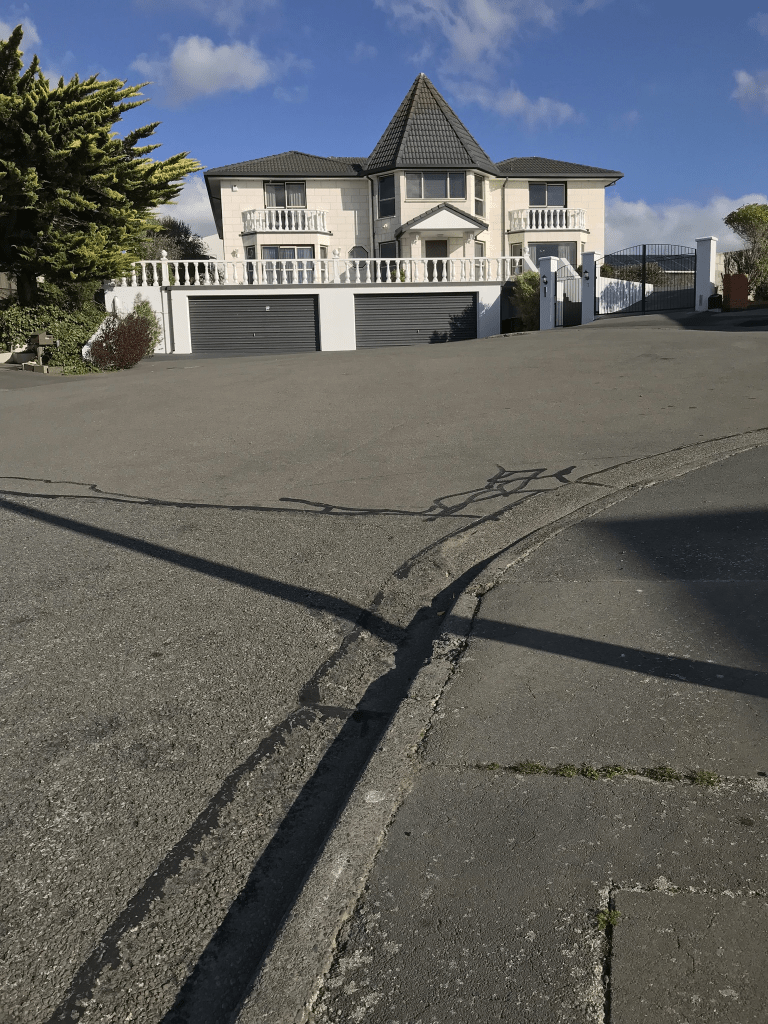
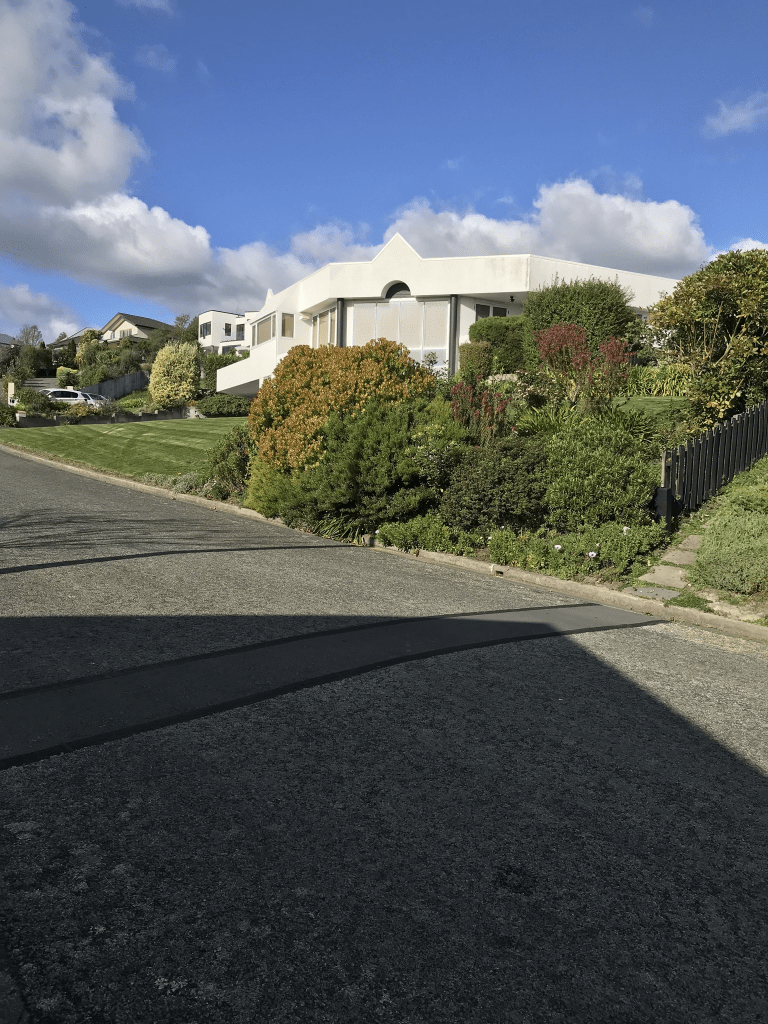
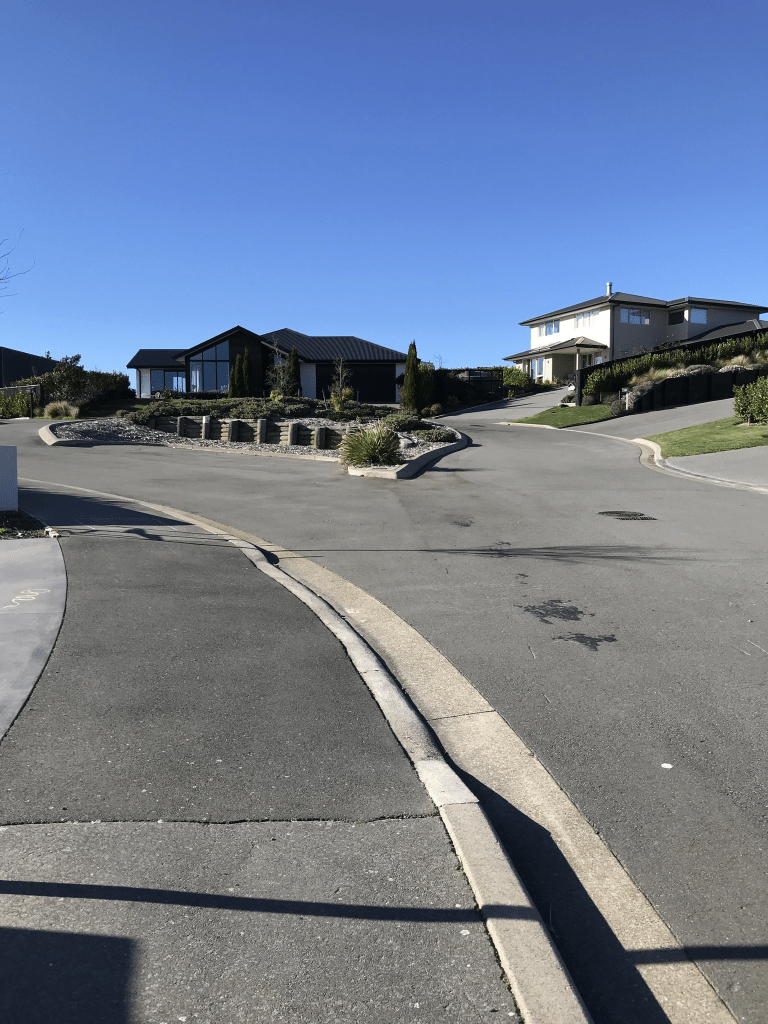
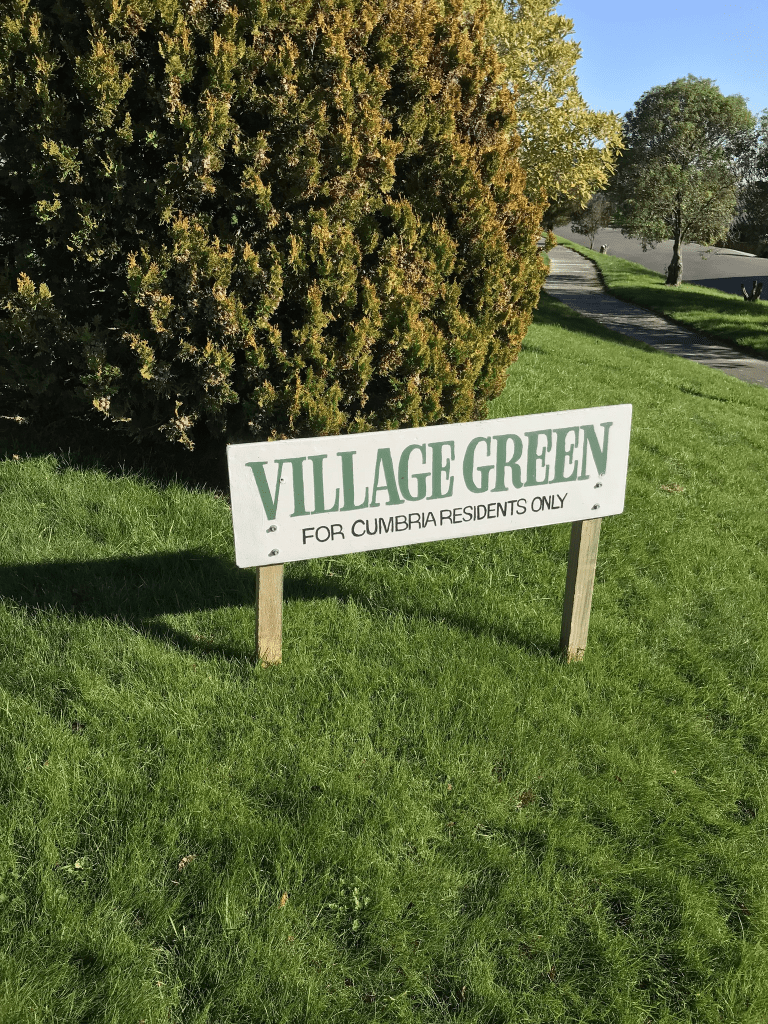
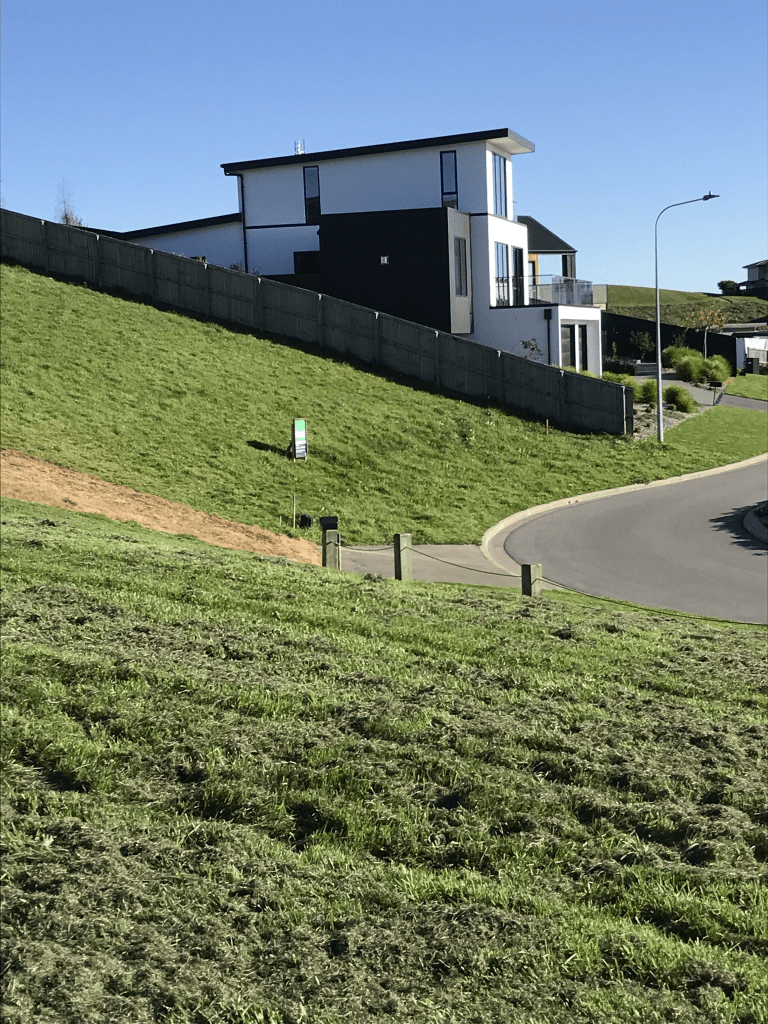
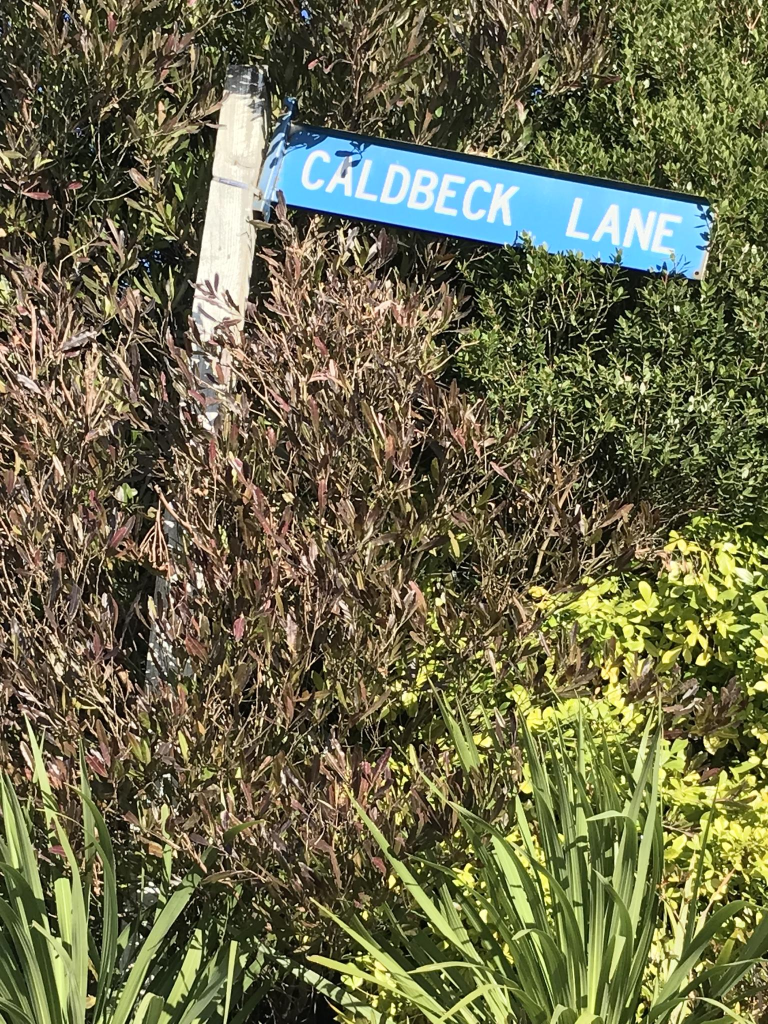
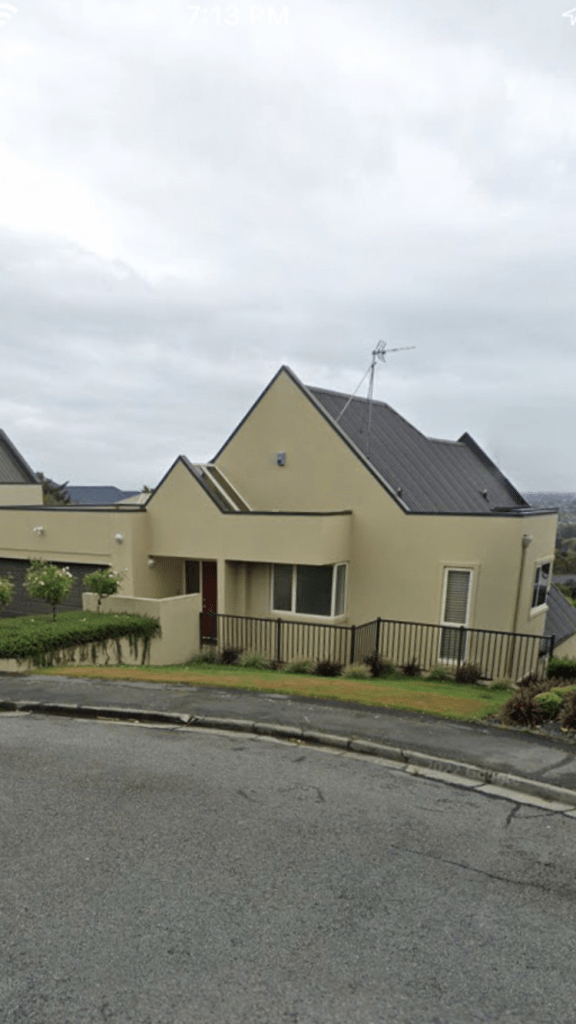
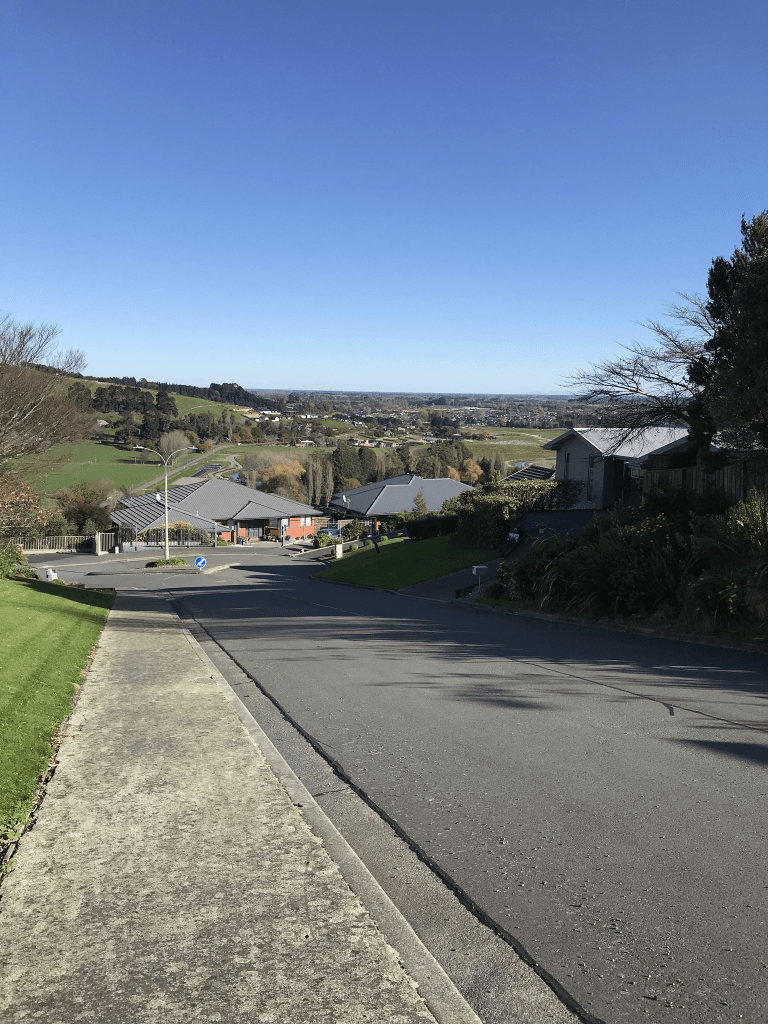
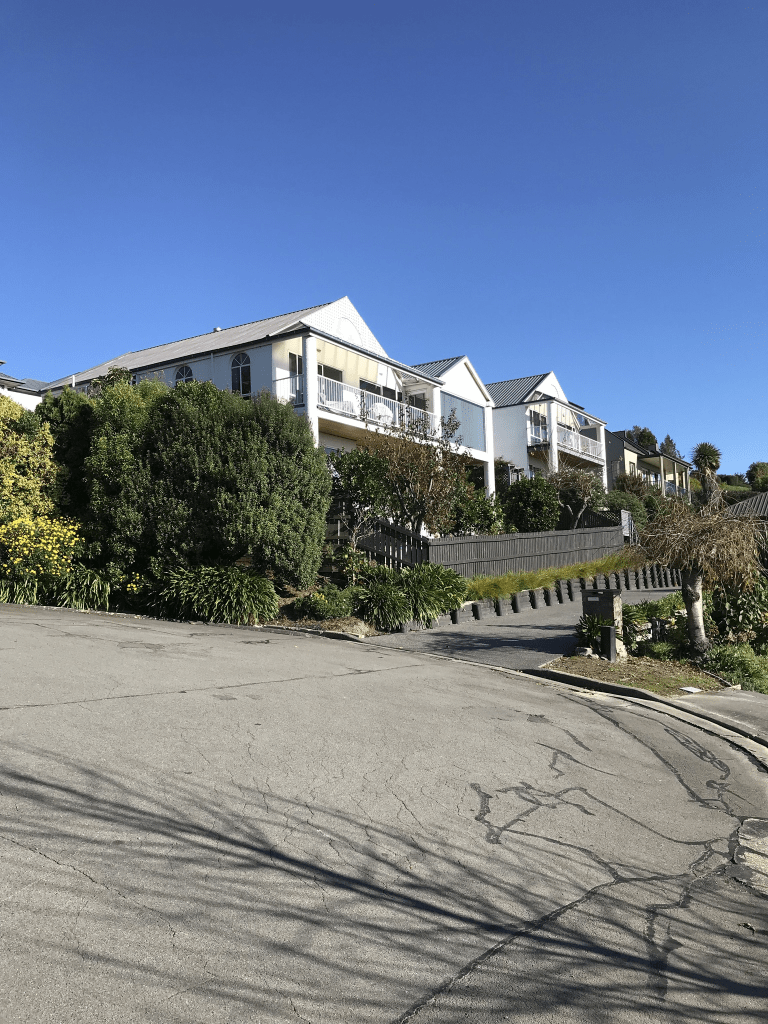
Thirlmere Lane in Westmorland – Named after Thirlmere, a reservoir in the English Lake District in Cumbria. Named to continue the theme in the subdivision of naming streets after places in historic Westmorland in England, since 1974 part of Cumbria. First appears in street directories in 1995.
A small amount of information from library website. Thirlmere means lake at the narrowing. The houses here were built in the 1990s and one house was huge. Wish that I could have got a photo of it. Great views here.
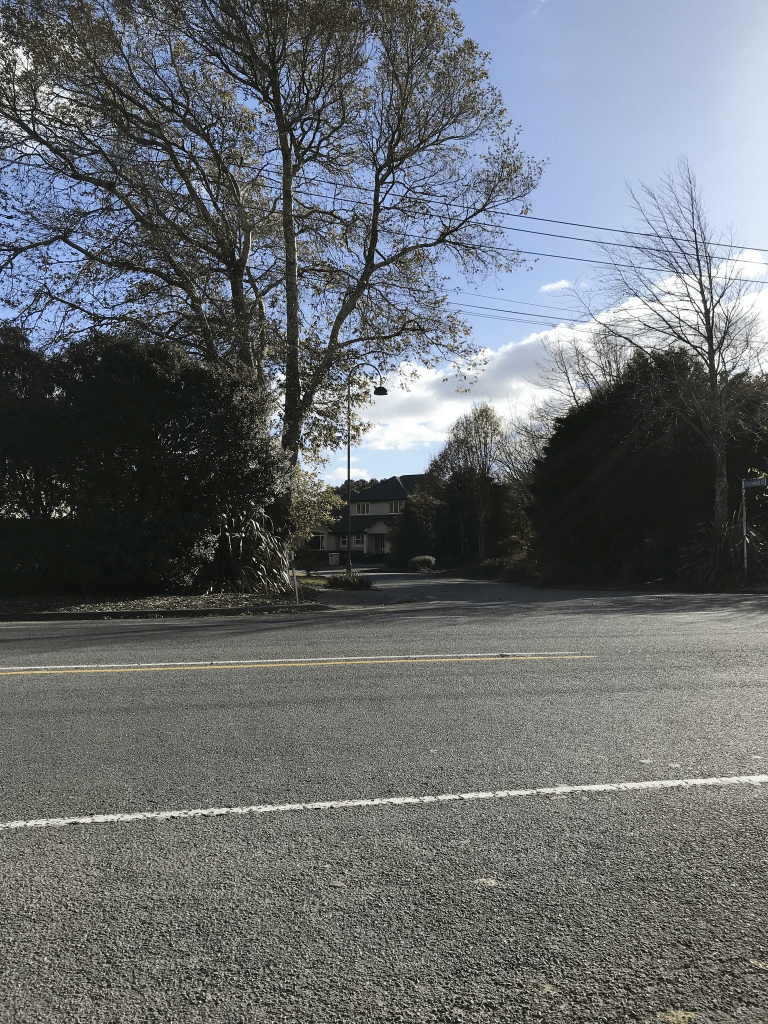
Foxfield Lane in Westmorland – nothing on library website yet the houses here were built in the 1990s. Couldn’t find the council minutes for this street. It will have been named after a village on the West Coast of Cumbria as the rest of the streets in the area are named after places in Cumbria.
This was a private lane with no footpath so I didn’t actually walk it and it runs off Ravensdale Rise.
Mavin Road in Hoon Hay – nothing on library website yet most of the houses were built in the 1950s and 1960s.
A few entries on Papers Past and there were sections for sale in 1951 and 1952. In 1954 there were sections available in a ballot with priority given to former servicemen. I couldn’t find out how the street got the name and also checked Ancestry website and cemetery websites for the surname. I still feel it was possibly a surname.
It was a pleasant street and the houses might not have stood out but I still rather liked the street.
Kaiwara St in Hoon Hay – Named after the Kaiwara Station in the Culverden area. In a subdivision where the streets are named after rivers or properties in North Canterbury. First appears in street directories in 1962.
A small amount of information from the library website and not lot that I can add about the name of the street except that Kaiwara was the name of the property owned by a past president of the A and P Association Mr L R C Macfarlane.
A reasonable amount of information on Papers Past and lots of ads. New street in 1959 and there were sections for sale in 1960. In 1964 and 1965 there was mention of a primary school to be built on this street but this didn’t happen. No reason given for the school not being built. The residents seemed to be an accident prone lot as they were in car accidents or falling falling off motorbikes and at least one boy fell out of a tree. It looked like a pleasant street but none of the houses stood out for me. Most were built in the 1960s but there were a few from later decades. The brick ones were from the 1990s and brick seemed to be a popular building material for that decade. There is a reserve with a playground on this street and there is a new subdivision behind this side of the street.
Emily Knowles Drive in Hoon Hay – this is a brand new street without any houses yet. Found information in the council minutes. Emily Knowles was a school teacher and suffragist, she arrived in Lyttelton with her husband Henry Hill in 1873. Throughout her life, Emily held executive positions in various organisations promoting social welfare and the interests of women and children.
The website teara.govt.nz has a full biography for Emily Knowles. Emily married Henry Thomas Hill in July 1873 and they then came to New Zealand on the ship Merope. They were both teachers in Christchurch until 1878. In 1878 they moved to Napier and Emily gave up teaching and became very active in the suffragette movement. Emily died in August 1930 and her husband died in 1933.
Going by the map that I found in the council minutes there are further streets planned for this subdivision which is called Cashmere Park.
Blakiston St in Hoon Hay – Probably named after the Hon. Charles Robert Blakiston (1825- 1898). Blakiston was a member of the Canterbury Provincial Council in the 1850s and 1860s. In 1858 he married Mary Anna Harper, a daughter of Bishop Harper. Named in 1959.
A small amount of information from the library website. Not a lot of information on Papers Past. It was a new street name in 1959 and there were sections for sale in 1961 and 1962. In 1966 there was a proposal to build a petrol station on the corner of Blakiston St and Hoon Hay Rd but this was rejected. There were several death, birth and engagement notices. Many real estates ads put the street in Lower Cashmere but it is officially in Hoon Hay.
Charles Blakiston died aged 73 and his obituary said that he had land on Ferry Rd and then in Kaiapoi when he farmed. He was manager of Trust and Agency Company of Australia Ltd. He married Mary Anna Harper on the same day that her sister married one of the Tripp family. After his death Mary Anna Blakiston moved to Dannevirke where one of their sons was living. She died in 1924. There is a place in South Australia with the same name and it is named after the same family. I sidetracked a bit as the brother of Charles Blakiston was more interesting. Thomas Blakiston was an English explorer and naturalist. Thomas had an owl named after him.
All the houses here were built in 1960s and none of them stood out for me. They were mostly neat and tidy houses and I didn’t take any photos.
Penmarc Lane in Hoon Hay – nothing on library website yet the houses here were built in 1970s. Only two entries on Papers Past and one was a death notice and the other was a wedding anniversary notice. I couldn’t find a meaning for the name and the nearest that I found was a Breton word for horse head. There is a place in France called Penmar’h. I then used a book that I was given called A Dictionary of British Place Names and found it. There is a place in Wales called Penmark and it was originally Penmarc and Penmarch. Meaning is Height of the horse and from the Welsh pen + march. The Breton word and the Welsh word have a similar meaning. When I saw the street my first thought was that is was named after a Welsh or Cornish village.
This is a very narrow street with no footpath and I didn’t walk the full length as it just leads into private driveways.
Rydal St in Hoon Hay – Named after Rydal Hall, an early 19th century Grade II listed house near the village of Rydal, Cumbria, in the Lake District, England. The Le Fleming family owned Rydal Hall. Isabella Maria Le Fleming (1830?-1900) met Edmund Henry Ensor (1840-1884) when they emigrated to Canterbury on the William Miles in 1860. They married in 1861. The street was developed on land farmed by their descendants from 1911. Named on 29 March 1956. First appears in street directories in 1964.
A reasonable amount of information from the library website and nothing that I can add about the name of the street. I will research the Ensor family when I walk Ensors Rd.
Not a huge amount on Papers Past and there were sections for sale in 1966 and 1967. Between 1969 and 1973 there were complaints about the state of Rydal Reserve.
Nothing stood out for me on this street and the houses were built between 1940s and 2016 but most were built in the 1960s. There was one modern toilet block style house. The reserve looked good. The street has been narrowed at the Sparks Rd end and you can enter the street at Sparks Rd but you can no longer leave Rydal St at the Sparks Rd end.
Tekoa Place in Hoon Hay – Named after the Glens of Tekoa Station, one of North Canterbury’s large back country sheep stations in the Culverden district. In a subdivision where the streets are named after rivers or properties in North Canterbury. First appears in street directories in 1962.
A small amount of information from the library website and nothing that I can add about the name of the street. Very little information on Papers Past. A few death notices and sections were for sales in 1960 and 1962. It was mentioned as a new street in 1959.
The street and houses didn’t really stand out for me and the houses were all built in the 1960s.
Rollesby St in Hoon Hay – Named after Rollesby, a village and parish in Norfolk, England. Edmund Henry Ensor (1840-1884) emigrated from Rollesby to Lyttelton in 1860. The street was formed on land which had been farmed by his descendants from 1911. Named on 29 March 1956. First appears in street directories in 1964.
A small amount of information from the library website and nothing that I can add about the name of the street. I will research Edmund Henry Ensor when I walk Ensors Road. Not a lot of information on Papers Past and it was mostly death notices. It was described as a new street in 1956.
All houses were built in 1960s apart from one built in 2022. None of the houses stood out for me but did have a nice chat with a local.