Kahikatea Lane – Named after the kahikatea trees of which there are some very fine examples in nearby Riccarton Bush Developed at 94 Matai Street. The developer left the naming of the right of way to the purchasers of the first allotment in the subdivision. Proposed names had a connection with Riccarton Bush. Named in 1998.A reasonable of information from the library website and nothing that I can add to it. I didn’t actually walk this as it looked like a private driveway and had no footpaths.
Matai Street East/ Matai Street West in the suburb of Riccarton, Christchurch
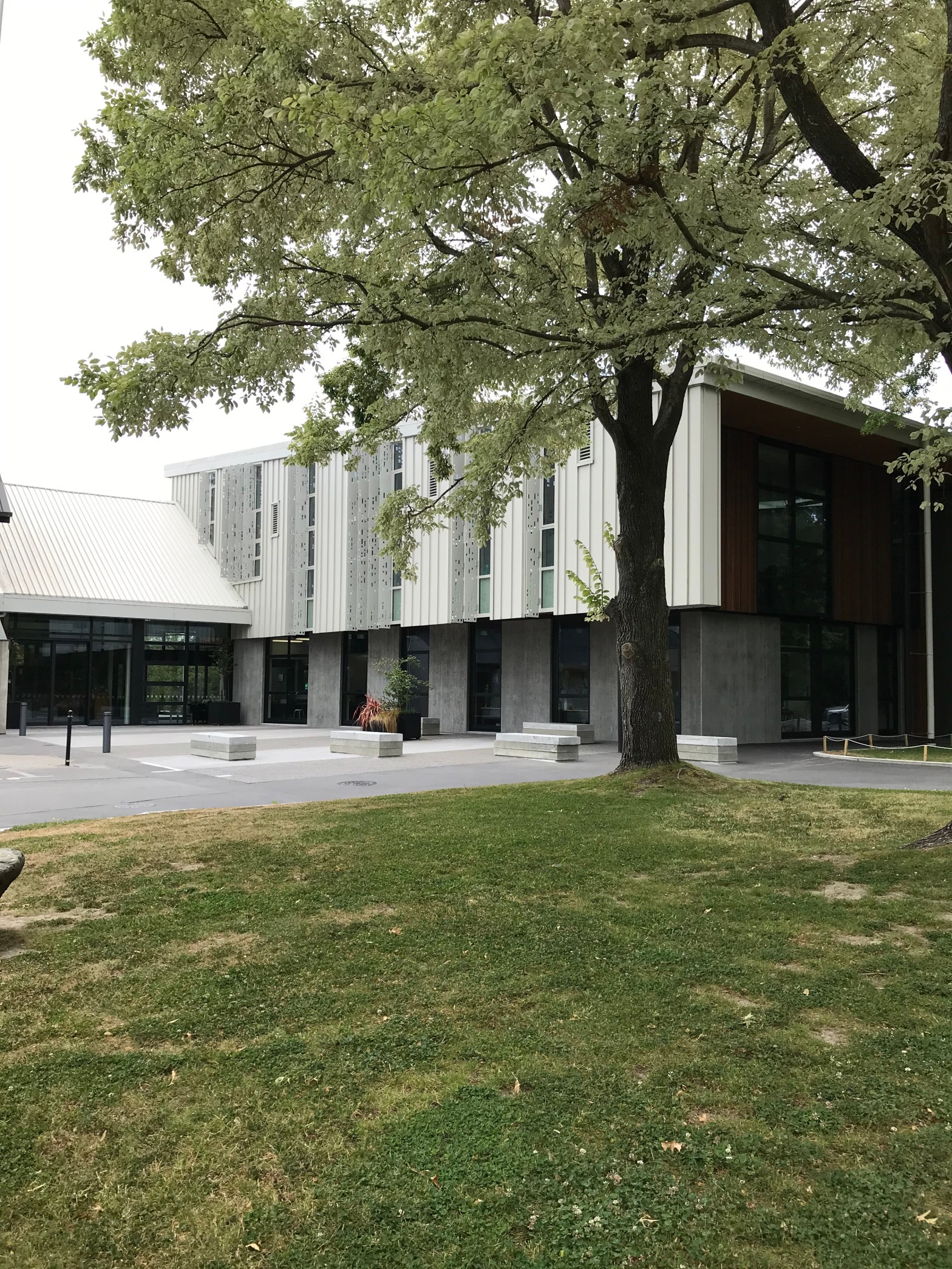
Matai Street East / Matai Street West – formerly Matai Street. Also Station Road, Railway Terrace and Riccarton Station Road. Named after the matai tree, a native New Zealand conifer. Named to commemorate the Deans families’ efforts to conserve the native forest trees in Riccarton. The naming was also designed to showcase the Maori names of trees. Named in 1892 when John Deans (1853-1902) split up 150 acres of the Deans Estate into 105 lots which were auctioned. Referred to as “formed and opened up” in The Press in 1898. The eastern end of Matai Street first appears in street directories in 1902 running off Harakeke Street to the northern railway. In 1896 directories, Station Road runs from the West Belt (later Deans Avenue) to Riccarton Road. In 1910 it is re-named Railway Terrace; in 1914 it is Station Road again. In 1915 the Riccarton Borough Council decided that Station Road and Railway Terrace should be renamed under one name, Railway Terrace. The other portion of Station Road was re-named Matai Street. Re-named Matai Street East and Matai Street West by the Riccarton Borough Council in 1984, but the listing in street directories is for Matai Street only until 1993.
A huge amount of information from the library website and all the name changes are confusing.Nothing that I can add here.
The east and west is split by Mona Vale Ave. Christchurch Girls High School now takes up an entire block of Matai St East and personally I think it looks so ugly. I am obviously biased towards the wonderful building in Cranmer Square which sadly has been demolished. The school is built on land where Riccarton Mill used to sit.
Matai Street West has a mixture of new and old houses. A few older wooden villas which I love. At least one ugly toilet block style here. There is a cycleway here that joins up with a bigger cycleway that runs along side of the railway line. There is a fence between cycleway and train track.
There is a fantastic looking brick building near the railway end of Matai Street West and I googled it. It is the Britten Stables and the new owners have turned it into luxury accommodation. A bit too expensive for this oldie who likes to stay at YHAs. I am amused to see on the airbnb website that it is Britten Stables Observertory.
Nikau Place in the suburb of Riccarton, Christchurch
Nikau Place – formerly Matai Terrace. Matai Terrace first appears in street directories in 1939. Re-named Nikau Place because of confusion for the postal authorities with Matai Street. Residents had been asked by the Riccarton Borough Council to suggest a name. One of them, Betty Crawford (later Hutchins), an employee of the Dept of Lands & Survey, and her husband, Bryan, had recently returned from holiday in Nelson. They had admired the stands of nikau palms near the beginning of the Heaphy Track. Betty Crawford also suggested the name because of the street’s proximity to Riccarton Bush and also because many local streets are named after native birds and trees. She was delighted when the council agreed with her suggestion. Nikau Place first appears in street directories in 1968.
A reasonable amount of information from the library website and I can’t see that I can add anything here. A small street that runs off Matai Street West. Large houses with a couple of obvious modern houses. There were other houses that I couldn’t tell if they were the originals or rebuilt to look exactly the same. No photos here. Not a nikau palm in sight.
Kerenu Lane in the suburb of Riccarton, Christchurch
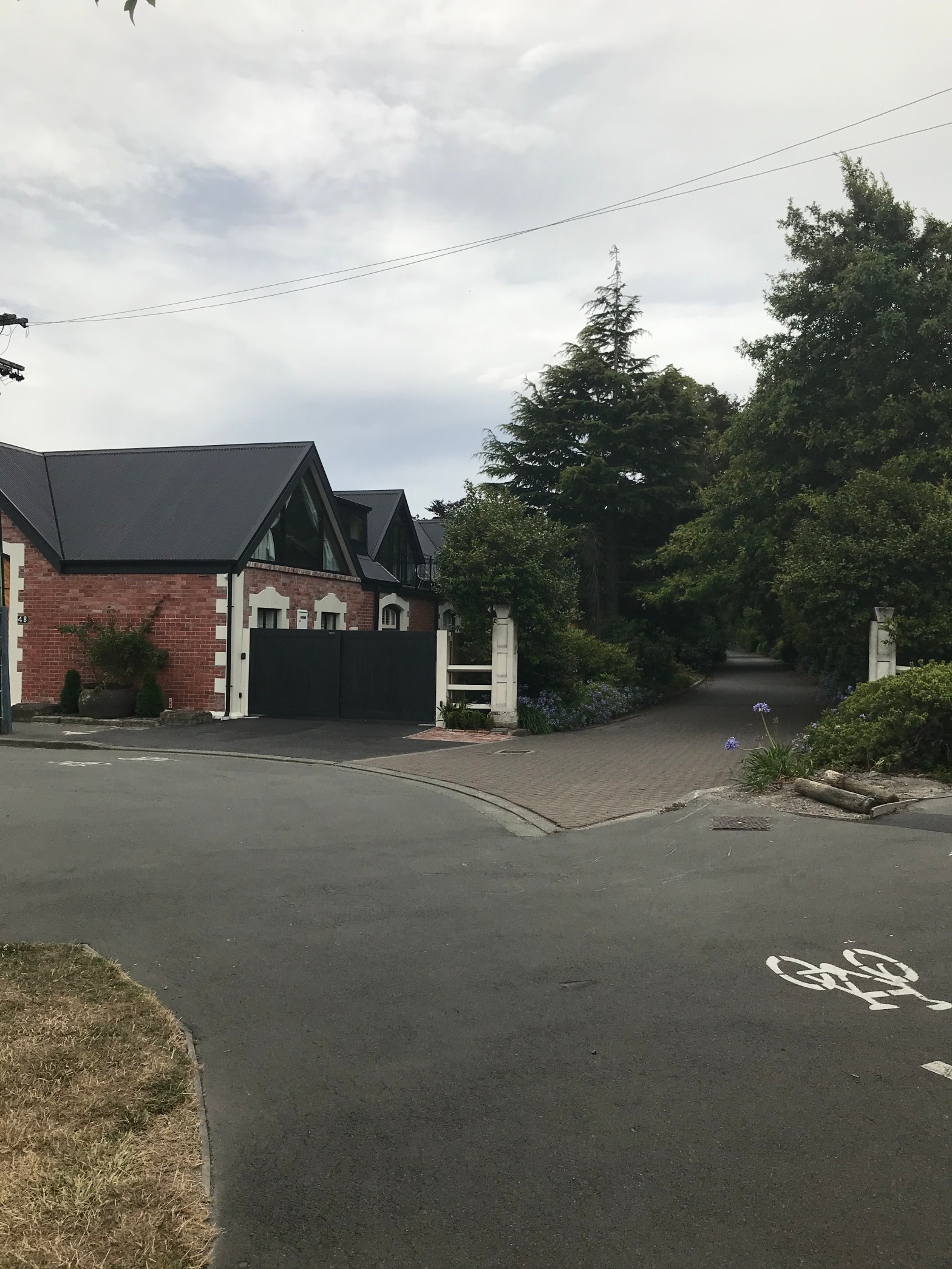
Kerenu Lane – formerly 46A-F Matai Street West Named after the kereru, the native wood pigeon which is seen in this area each year. Named in 2002.
A small amount of information from the library website and nothing that I can add here. A tiny private lane next to Britten Stables and I didn’t walk it as it looked like a driveway.
Mona Vale Avenue in the suburb of Riccarton, Christchurch
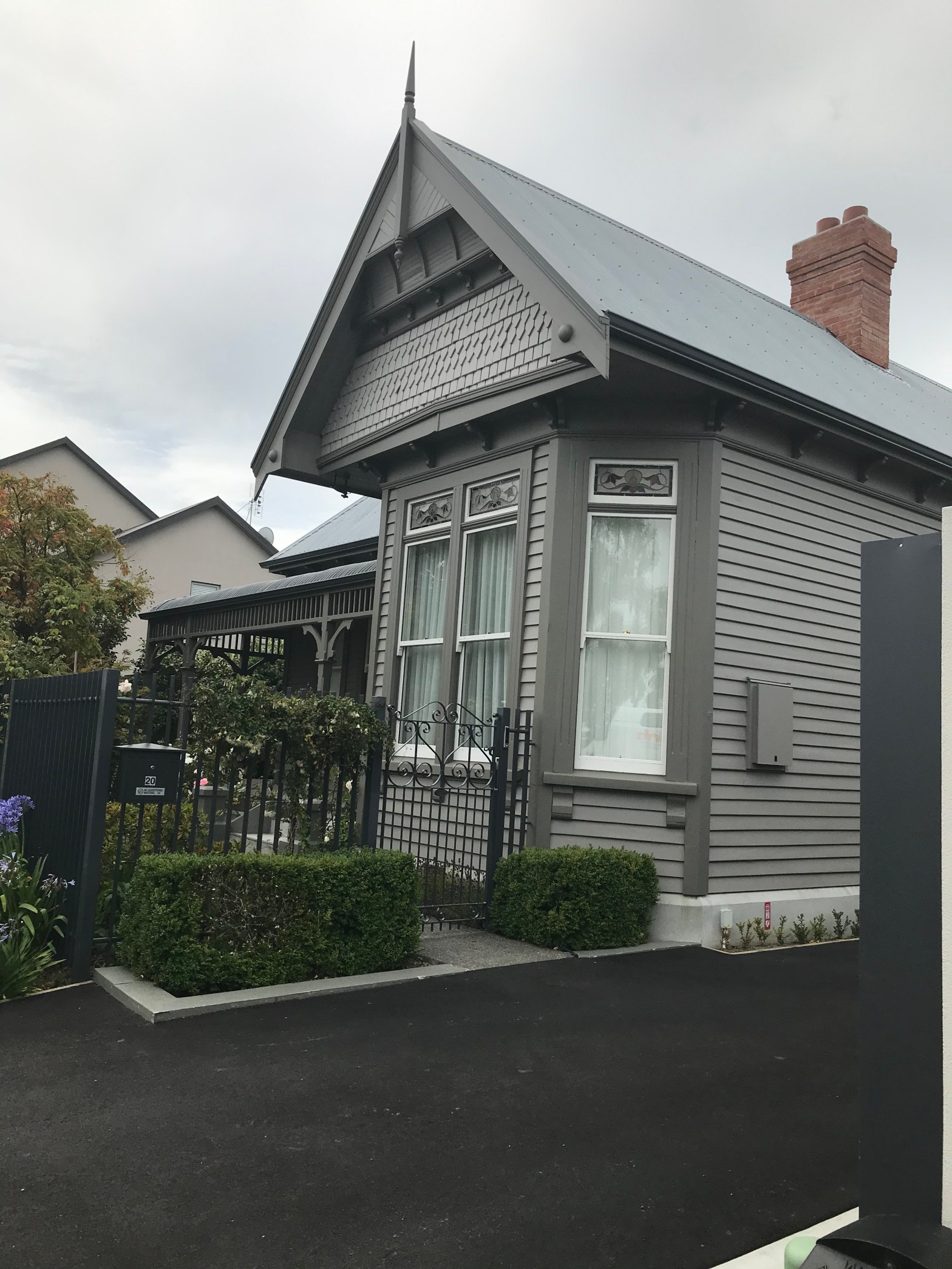
Mona Vale Ave – formerly Station Road, Riccarton Station Road, Railway Terrace and Matai Street. Named because of its proximity to Mona Vale.
A small amount of information from the library website and nothing that I can add. Houses are on one side and the railway track on the other side. Many new houses here but there was one gorgeous older house. I ended up chatting to a German tourist who had been staying with a friend at this older house and he said that it had been modernised inside and very comfortable.
I love visiting Mona Vale but didn’t have time today as I was walking home to Addington from the University. Yes, I know that it wasn’t the most direct route home but I am attempting to walk different streets whenever I walk home. Catching bus with gold card and then walking home is fun and no parking issues.
Ayr Street in the suburb of Riccarton, Christchurch
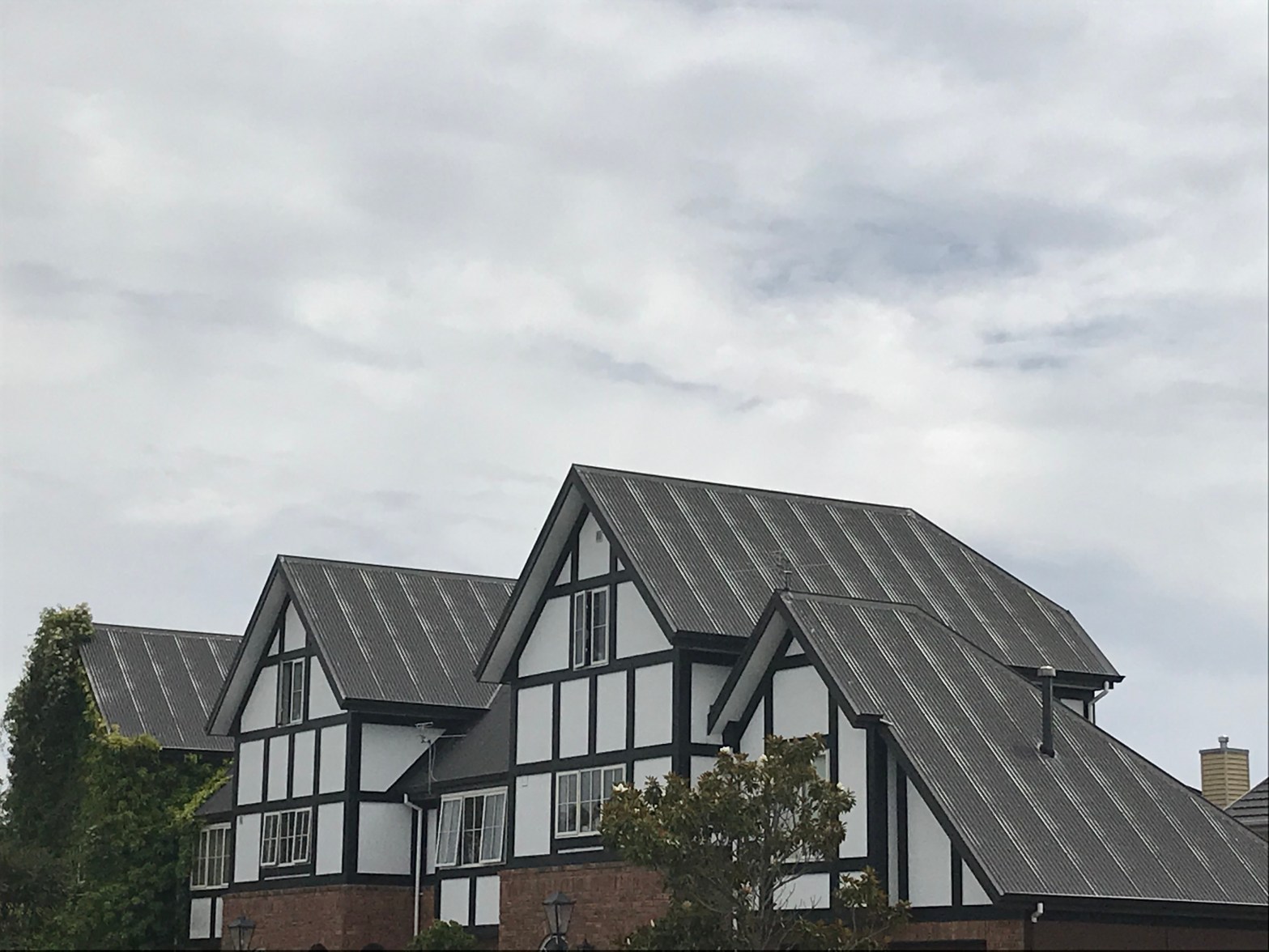
Ayr Street – Named after the town of Ayr in Ayrshire, Scotland. Named to continue the theme of naming streets in Riccarton after places in Ayrshire, Scotland, from whence the Deans family originated. Ayr Street is first mentioned in The Press in 1878. First appears in street directories in 1900.
A small amount of information from the library and nothing that I can add to it.
A pleasant street with a mixture of new and old houses. A couple really stood out especially the fake tudor style houses. I have to go back and look at a property at the Deans Ave end as I could swear that it was a private lane but nothing on-line. Nothing on google maps.
Athelstan Street in the suburb of Spreydon, Christchurch
Athelstan Street – Probably named after Athelstan (c.895- 939) – Athelstan was the first king of all England, and Alfred the Great’s grandson. Athelstan Street is first mentioned in The Press in 1913 when 32 sections in Spreydon were auctioned.
A small amount of information from the library website. Athelstan was actually a popular name in the late 1800s and early 1900s. There was an Edward Athelstan Worthy who was a teacher at Christs College and he drowned in France in 1894.
There was also Leonard Athelstan King a builder in Christchurch. Also John Athelstan Parsons who lived in Kaikoura but he moved to Christchurch in 1897 and he worked for the Land Board. Another possible reason for the name is to do with the Athelstan Druid Lodge who had their first meeting in Christchurch in 1880.
This small street has Barrington Mall on one side and a few houses on the other side along with a few businesses. The businesses are related to health as there is a dentist and medical centre.
Moore Street in the suburb of Sydenham, Christchurch
Moore St – Named after Thomas Moore (1779-1852). Nelson Street first appears in street directories in 1892. Re-named Moore Street in 1909. Moore was an Irish poet. Probably named to continue the theme of “poets and writers” streets of Sydenham, Addington and Waltham named by a committee of the Sydenham Borough Council in January 1880.
A small amount of information from the library website. A short street that runs from Strickland St to Browning St. At Browning St it curves and looks like just one street but the street name changes. Not many house but one cottage looked like an original workers cottage.
I did look at Papers Past but there were too many streets with the same name in several towns. I suspect that the reason for the name change from Nelson St to Moore St is that there were already two streets with that name in Christchurch, One in New Brighton and one in Riccarton.
Brisbane Street in the suburb of Sydenham, Christchurch
Brisbane Street formerly an extension of Barbadoes Street. Probably named after Sir Thomas Brisbane (1773- 1860). Formerly an extension of Barbadoes Street but when crossed by the railway in 1948 it became a separate road. Became Brisbane Street on 1 September 1948 when 120 streets were renamed. Brisbane was a soldier and statesman after whom the Australian city is named.
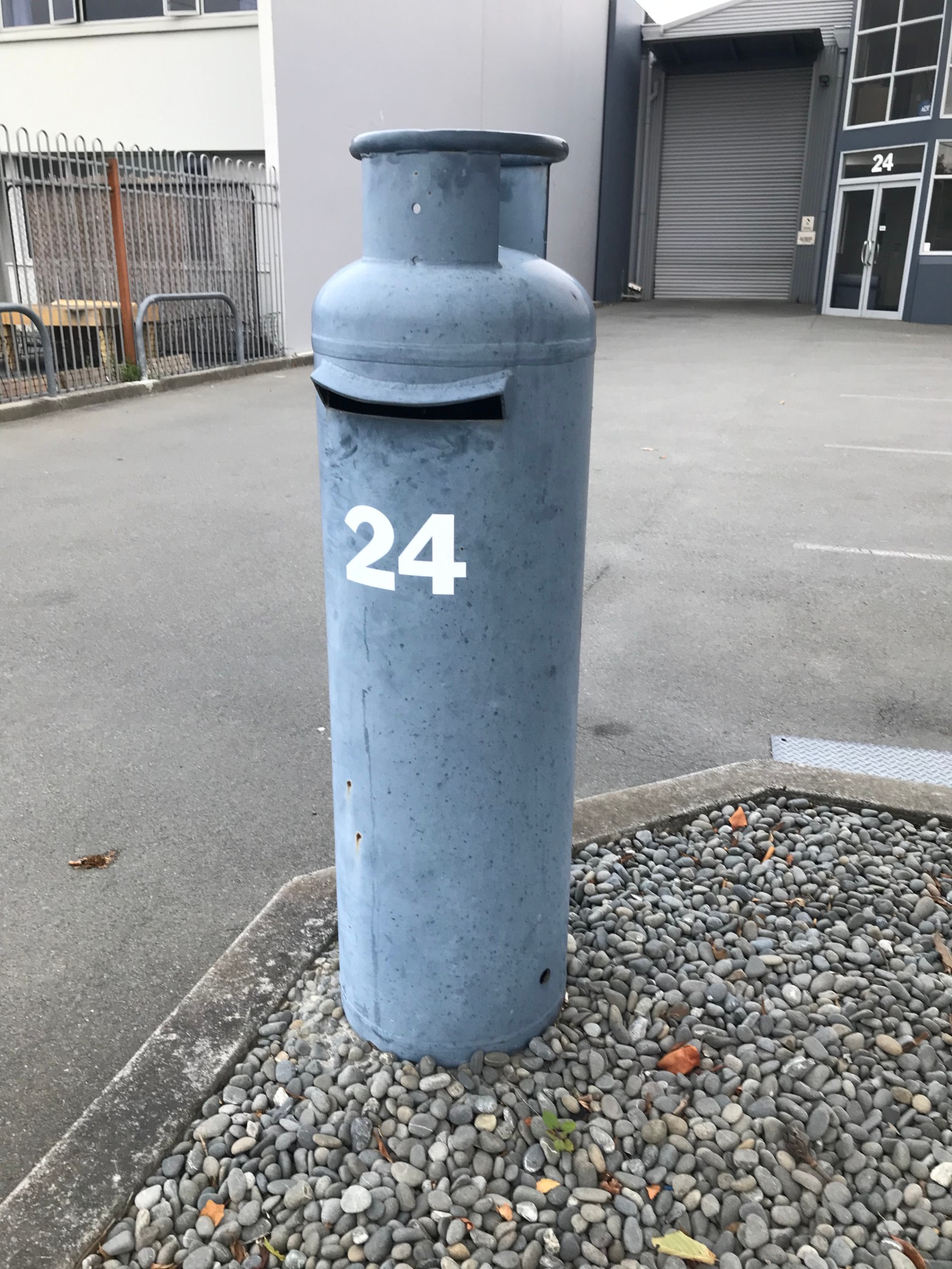
A small amount of information from the library website. After checking Papers Past there is nothing that I can add. In the past this was a residential area but now only has businesses here. As with the rest of the area there are a lot of businesses connected to the car industry. There was a funeral business here and it was promoting the fact that it is run entirely by women.There was an interesting letterbox outside a gas business and the letterbox is made from a gas cylinder. I also liked the entrance to a business as they had used greywacke stones. Another had a small curb with rocks and other businesses in nearby streets had similar curbs. A mixture of new and old buildings.
Coleridge Street in the suburb of Sydenham, Christchurch

Coleridge Street – Formerly part of Fifth Street. The streets south of, and parallel to, Moorhouse Avenue were named in numerical order. Re-named Coleridge Street. Named after Samuel Coleridge (1772-1834). Rooms to let in “Fifth Street, short distance from Gas Works” are advertised in the Star in 1874. Fifth Street appears in street directories in 1878 and on an 1879 map. The section of Fifth Street west of Gasworks Road (later Waltham Road) first appears in street directories as Coleridge Street in 1887. Coleridge was an English lyrical poet, critic, and philosopher. One of the “poets and writers” streets of Sydenham, Addington and Waltham named by a committee of the Sydenham Borough Council on 19 January 1880.
A reasonable amount of information from the library website. I checked Papers Past and nothing that I can add. Another street in Sydenham that used to be residential but now a business area. As with the rest of Sydenham a lot of businesses connected to the car industry. There was a funeral business here and there were at least three or four funeral businesses that I walked past last night. Another mixture of new and old buildings. Too many different types of businesses for me to remember them all. There was street art here and it is slowly being covered up by a new building. I liked the art work at a business especially the one of a man abseiling. A couple of the buildings looked like they were originally older houses from the residential days of this street.

