Ensors Road in Waltham and Opawa – formerly Ensor’s Road. Named after Edmund Henry Ensor (1840-1884).Ensor arrived in Canterbury in 1860 on the William Miles. At different times he shared ownership of several farms, worked as a land and estate agent and part-owned a flax mill. He is listed in street directories in 1864 living at Creek Cottage, Opawa. Ensor’s Road first appears in the Star in 1877 in a report of a meeting of the Heathcote Road Board. Ensors Road first appears in street directories in 1892.
A reasonable amount of information the library website. The first entry that I found on Papers Past was in 1872 when there were complaints about gorse growing in the road. In 1875 the ratepayers on the street also were complaining about the state of the road. There was a cottage available in 1878 and in 1880 there were sections available. In 1881 Duncan and Son nursery moved to the corner of Ensors Rd and the railway. Between 1878 and 1883 there was discussion about a railway platform to be built here. There were more sections available in 1885. In 1887 the road near the river was flooded. From the 1890s onwards it was mostly death notices and ads. R Duncan in 1907 had sections available and in 1913 the railway dept was to build on the land that originally belonged to the Duncan family. In 1919 there were lots of complaints about the smoke from the railway sheds. After 1914 most the entries were about games being played on the Technical College sports grounds. In 1912 the foundations for the Girls Training Hostel were laid. As well as buildings for staff there were rooms for 18 resident students. They were to be taught cooking and how to run a household.
As usual this street is named after a man who went bankrupt. Edmund Ensor went bankrupt in 1872 along with his brother Alfred Ensor. After 1872 he was living out in the Lake Forsyth area. When he died in 1884 he was living in Leithfield. He was only 44 years old when he died after a fall from a horse. He had been warned that the horse was too dangerous to ride.
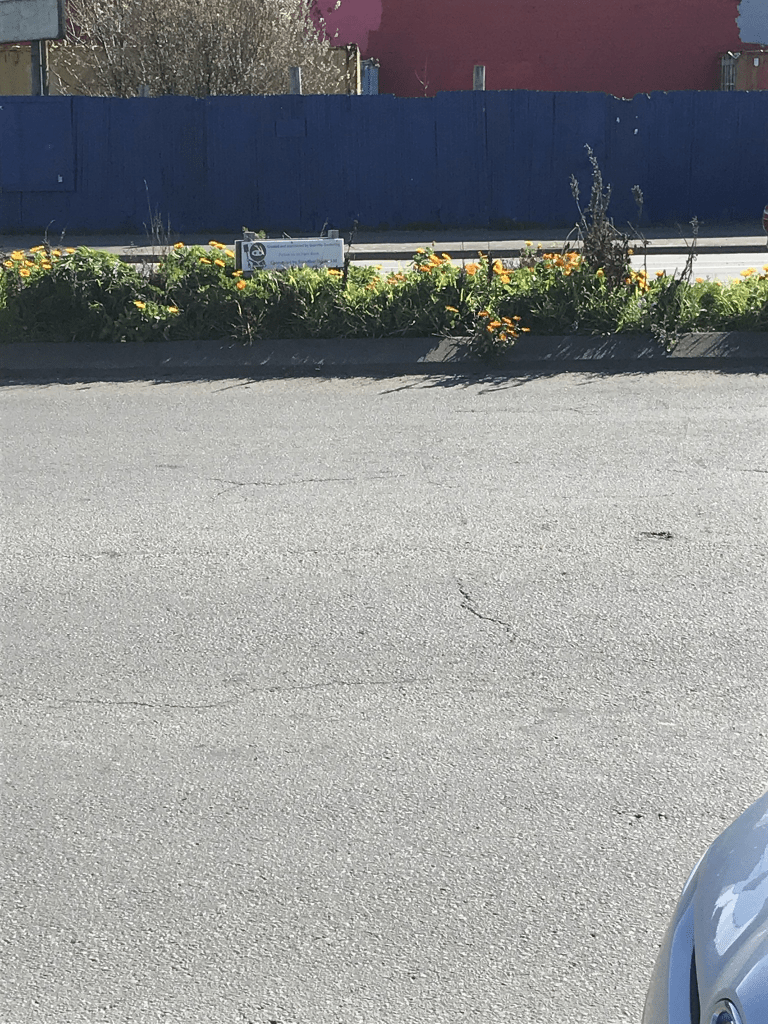
I decided to walk this street after reading an article in the Press about guerrilla gardening. The guerrilla garden is at the Ferry Rd end of the street. At the Ferry Rd end it is mostly businesses and there is a big empty section where the charity barn used to be. This is the same corner where I remember there used to be a boat that sat there for years. One side of the street seemed to have lots of social housing. On the other side there was Isabella Reserve and then houses. As you get closer to the railway lines there is the Ara Institute of Canterbury campus and the Girls Hostel building from 1912 is still here but it is fenced off. On the other side it is railway line plus a building for Community Corrections. There is empty sections here where at least one big business building has been demolished. After the railway line and you walk towards the river there are several of the older houses. There is several houses being built at this end of the street and when I checked street view there had been a gorgeous older house on this site. There is no longer a sports ground on the Ara site but I have friends who can remember playing sports here. When I walked near the railway line I tried to remember what the train station that used to be here looked like. I don’t recall ever getting off at this railway station when I travelled on the school train. I managed to get a photo of some of the older houses and two had the years that they were built above the doors. One had 1910 and the other 1915 above the doors. The houses on this street date from 1880 to 2024 with a big block built in the 1990s. There was a variety of styles of houses here but I did prefer the older houses.
 Lytteltonwitch's Walking the streets of Christchurch Project